

High Efficiency CIP Carbon In Pulp Gold Beneficiation Plant
Release time:
2026-06-08
Source:
GoFine
A high efficiency CIP Carbon In Pulp gold beneficiation plant is a mature, reliable, and cost-effective hydrometallurgical solution widely applied in modern medium and large-scale gold mining operations. Optimized for low-grade oxidized gold ore, fine disseminated gold, and complex refractory gold resources, the CIP process stands out for its stable recovery performance, flexible operation, and low comprehensive production costs.
Different from CIL technology that combines leaching and adsorption in one single stage, high efficiency CIP gold beneficiation plants separate full cyanide leaching and carbon adsorption into two independent and refined working circuits. This segmented design delivers more precise process control, lower carbon wear, and fewer impurity interferences, making it the preferred choice for mines pursuing high purity gold output and long-term stable production. This article elaborates on working principles, complete process flow, standard equipment configuration, core advantages, operational tips, and application scenarios to help global miners understand and deploy professional high-efficiency CIP gold processing systems.
Fundamental Working Principle of CIP Gold Beneficiation
CIP, fully known as Carbon In Pulp, is a classic cyanide-based gold extraction technology designed for maximizing gold recovery from ore pulp. The core principle relies on two independent and sequential reactions: complete cyanide leaching followed by activated carbon adsorption. In professional high efficiency CIP plants, raw gold ore is first ground into fine pulp, allowing gold particles to fully contact cyanide solution under alkaline and aerated conditions.
During the leaching stage, solid gold dissolves into the pulp and forms stable soluble gold-cyanide complexes. After thorough and complete leaching, the gold-rich pulp is transferred to an independent adsorption tank group. High-quality coconut shell activated carbon is added to adsorb dissolved gold ions from the pulp. By adopting counter-current carbon and pulp movement, the system continuously enriches gold on activated carbon, while barren pulp flows to tailings treatment systems. The loaded carbon is further processed through desorption, electrolysis, and smelting to produce high-purity gold bullion. Standard high-efficiency CIP plants can achieve a gold recovery rate of 92% to 96% for conventional oxidized gold ore.
Complete Process Flow of High Efficiency CIP Gold Plant
A standardized high efficiency CIP gold beneficiation plant follows a scientific and closed-loop production workflow, with clearly pided functional sections to avoid process crossover and reduce gold loss. Every production step is optimized for higher efficiency, lower reagent consumption, and stable long-term operation.
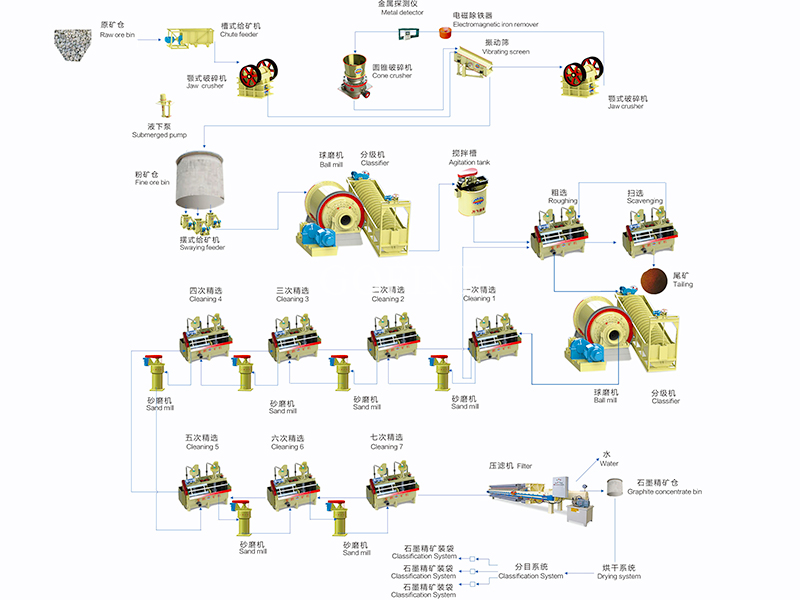
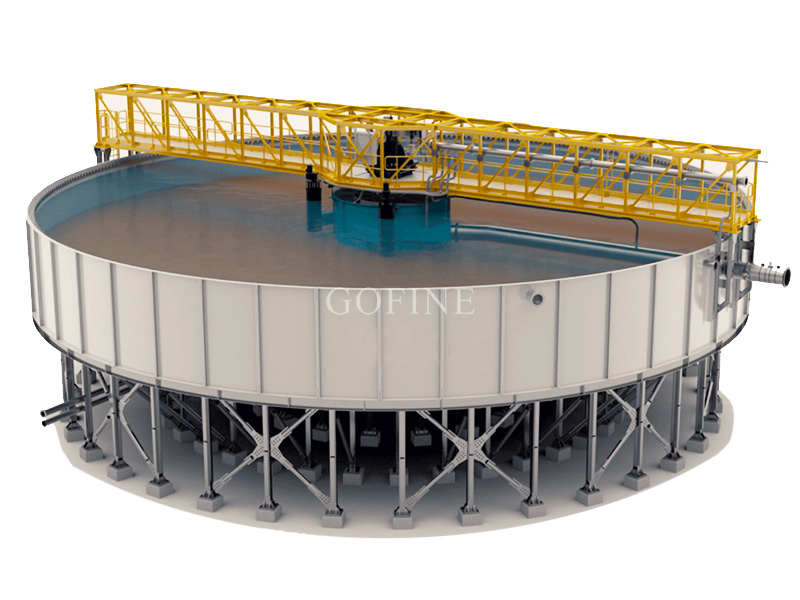
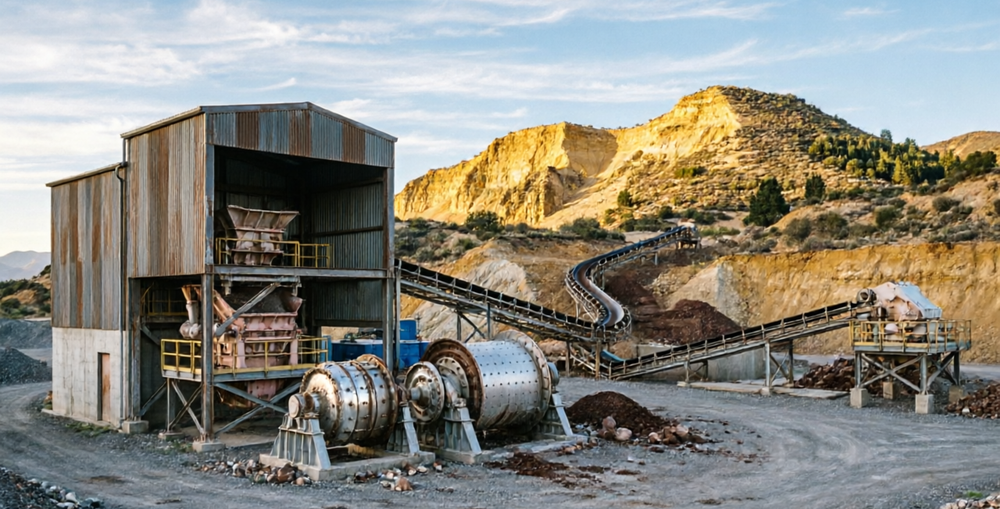
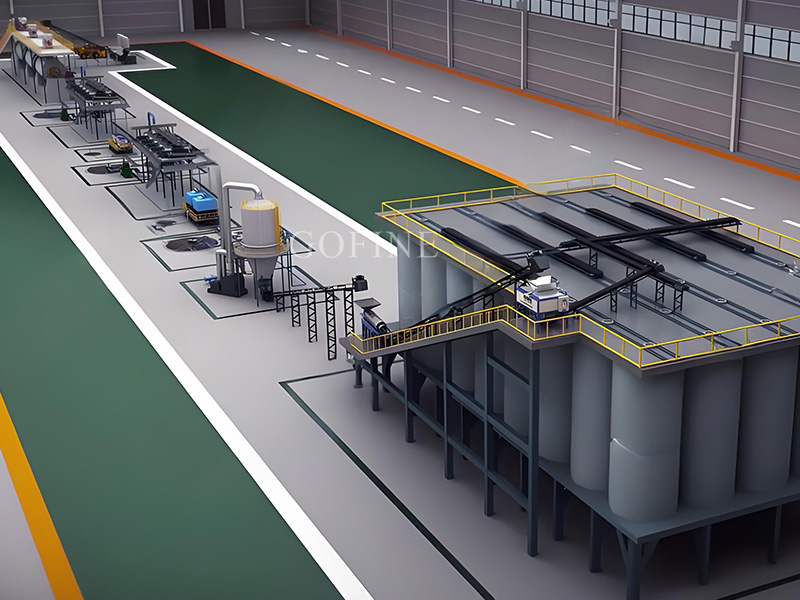
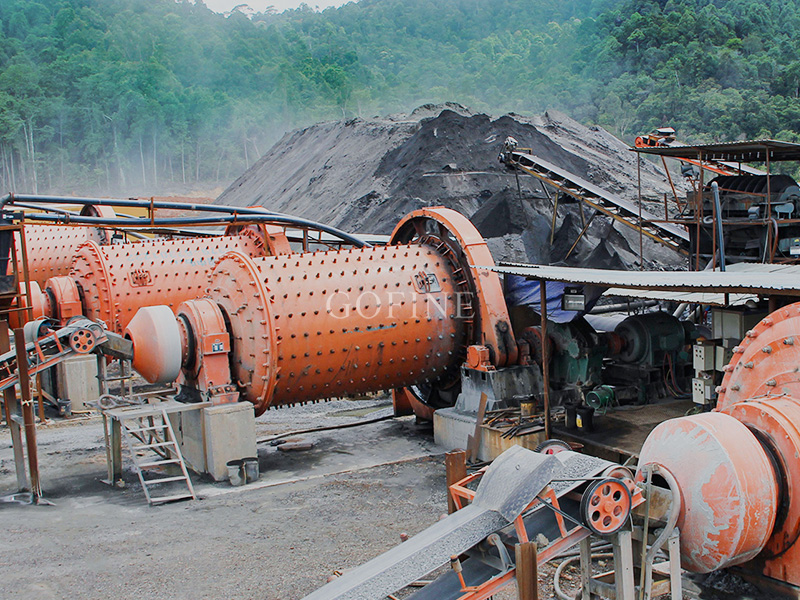
The whole process starts with ore pretreatment and grinding. Bulk raw gold ore undergoes primary and secondary crushing to obtain uniform fine particles. A closed-circuit grinding system composed of ball mills and spiral classifiers grinds ore into fine pulp with qualified fineness, ensuring full monomer dissociation of embedded gold minerals. The ground pulp is sent to a high-efficiency thickener for concentration and dewatering, adjusting optimal pulp density and alkalinity for subsequent leaching reactions.
The independent leaching circuit is the core foundation of CIP technology. The conditioned pulp flows through multiple series leaching tanks with continuous aeration and stirring. Quantitative cyanide and lime are automatically dosed to maintain stable chemical reaction conditions, ensuring sufficient dissolution of free gold particles. After completing full leaching, the pulp is transported to the separate carbon adsorption circuit.
In the adsorption stage, activated carbon makes counter-current contact with leached pulp to fully capture gold-cyanide complexes. Saturated gold-loaded carbon is screened out and delivered to the desorption and electrolysis system for gold stripping and enrichment. The generated gold mud is purified and smelted into finished gold ingots. Meanwhile, waste pulp and tailings go through detoxification and pressure filtration treatment, and production water is recycled for repeated use to realize environmentally friendly closed-loop production.
Standard Equipment Configuration of High Efficiency CIP Processing Plant
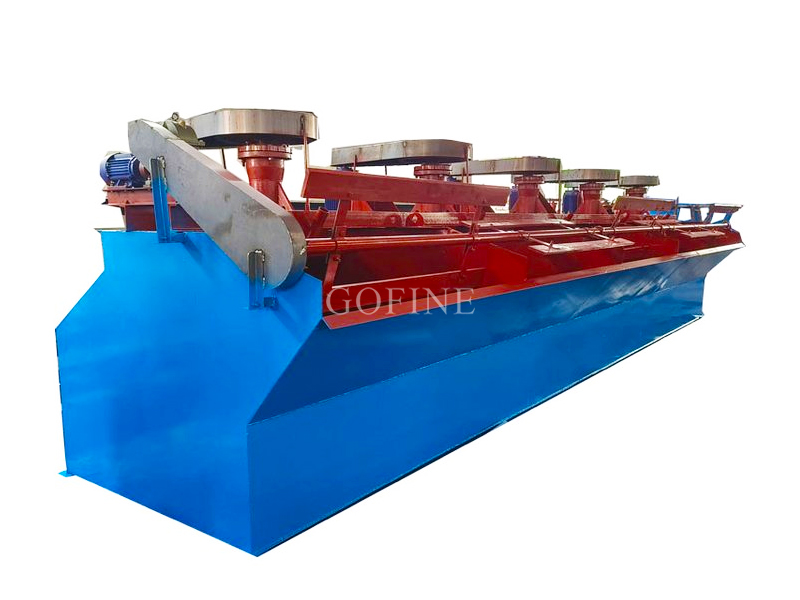
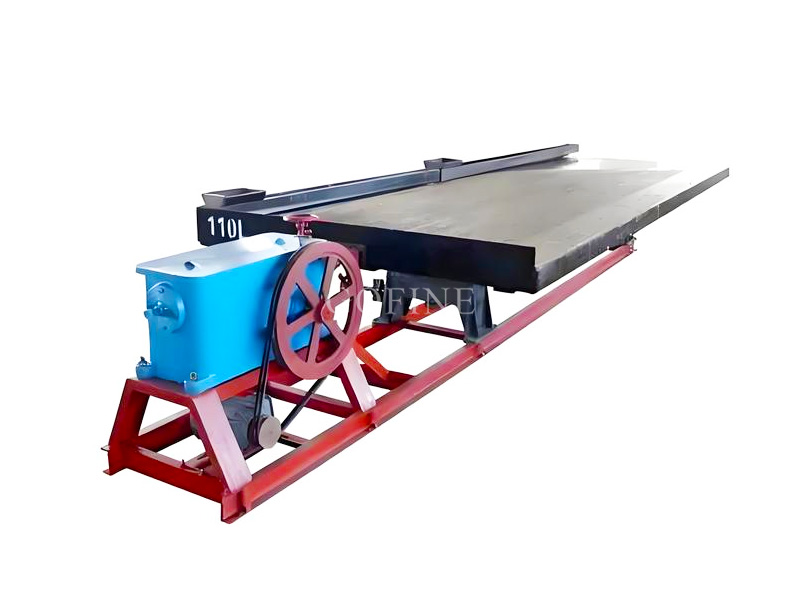
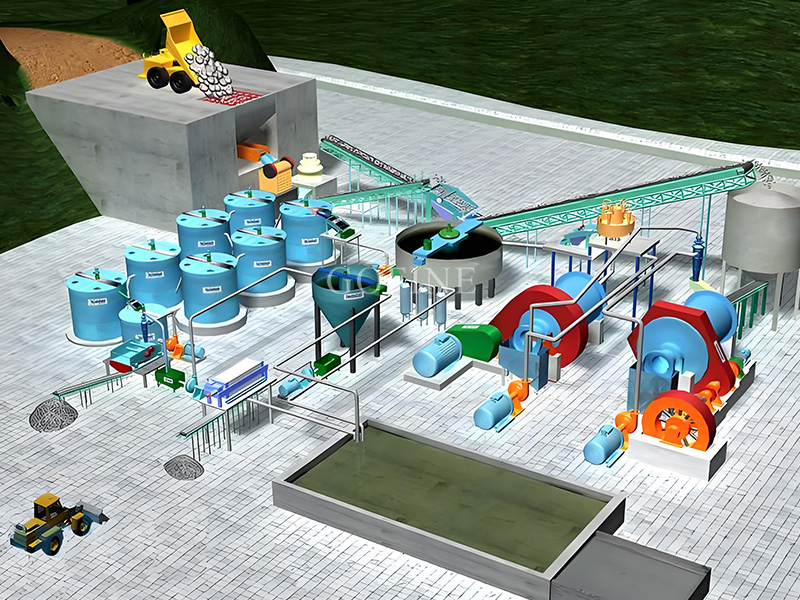
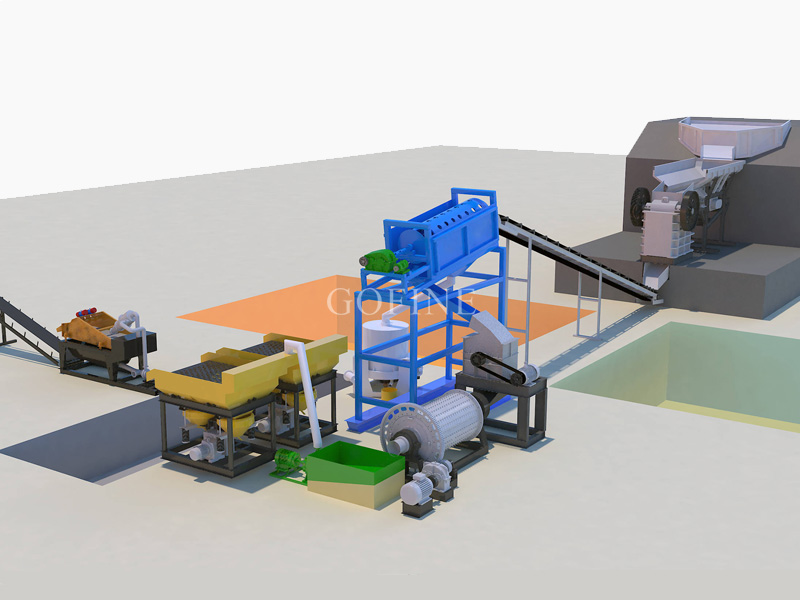
A complete high efficiency CIP gold beneficiation plant consists of grinding and classification equipment, pulp conditioning units, independent leaching and adsorption tanks, gold desorption electrolysis systems, carbon regeneration devices, and environmental protection supporting equipment. Professional matching of each unit ensures coordinated operation and high-efficiency production.
| Processing Section | Core Equipment | Key Functional Performance |
|---|---|---|
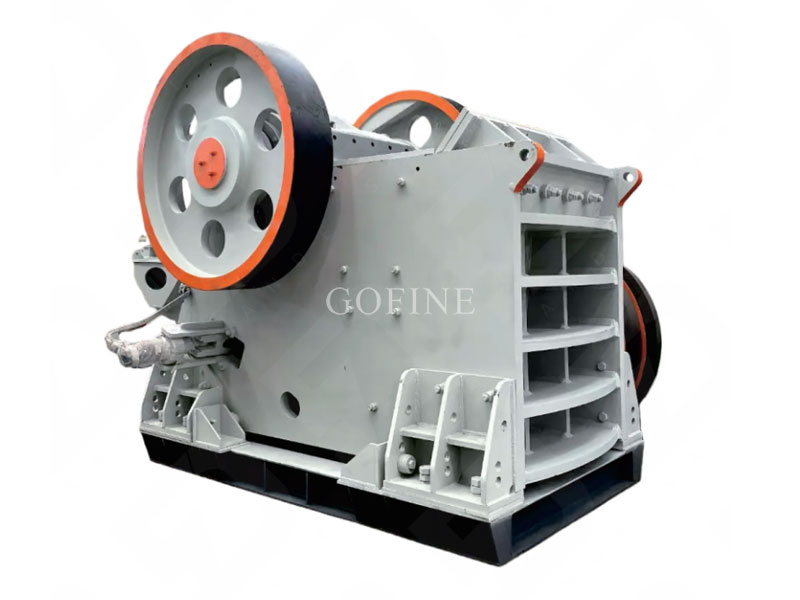
| Crushing & Grinding | Jaw crusher, cone crusher, energy-saving ball mill, spiral classifier | Realize uniform ore grinding fineness, ensure full gold dissociation, provide stable pulp raw materials for leaching |
| Pulp Thickening & Conditioning | High-efficiency deep cone thickener, stirring conditioning tank, pH online monitor | Adjust pulp concentration and alkalinity, remove excess moisture, stabilize leaching reaction environment |
| Independent Leaching System | Anti-corrosion leaching tanks, automatic aeration device, intelligent reagent dosing machine | Complete full cyanide leaching of gold minerals, maximize gold dissolution rate with precise parameter control |
| Carbon Adsorption System | CIP adsorption tank group, carbon screening machine, pulp carbon separator | Efficiently adsorb dissolved gold, realize counter-current carbon circulation, reduce gold residual in tailings |
| Desorption & Electrolysis | High-pressure desorption column, electrolytic cell, heat circulation equipment | Quickly strip gold from loaded carbon, electrolyze and enrich high-purity gold mud |
| Carbon Regeneration & Protection | Activated carbon regeneration furnace, cooling screening equipment | Restore carbon adsorption activity, reduce carbon consumption and production costs |
| Tailings & Water Treatment | Cyanide detoxification device, filter press, water recycling system | Harmless treatment of tailings and waste liquid, improve water recycling rate, meet environmental standards |
Distinct Advantages of High Efficiency CIP Gold Beneficiation Plant
High efficiency CIP gold beneficiation plants possess unique technical and operational advantages compared with traditional gravity separation, flotation, and even CIL processing lines, making them highly competitive in medium and large-scale gold mining projects.
The separated leaching and adsorption structure is the biggest highlight of CIP technology. Independent leaching tanks ensure sufficient and thorough gold dissolution without interference from activated carbon, effectively improving leaching efficiency and reducing un-leached gold loss. The separate adsorption circuit creates a stable adsorption environment, greatly lowering carbon abrasion and breakage rates, which significantly cuts long-term carbon consumption and operational costs.
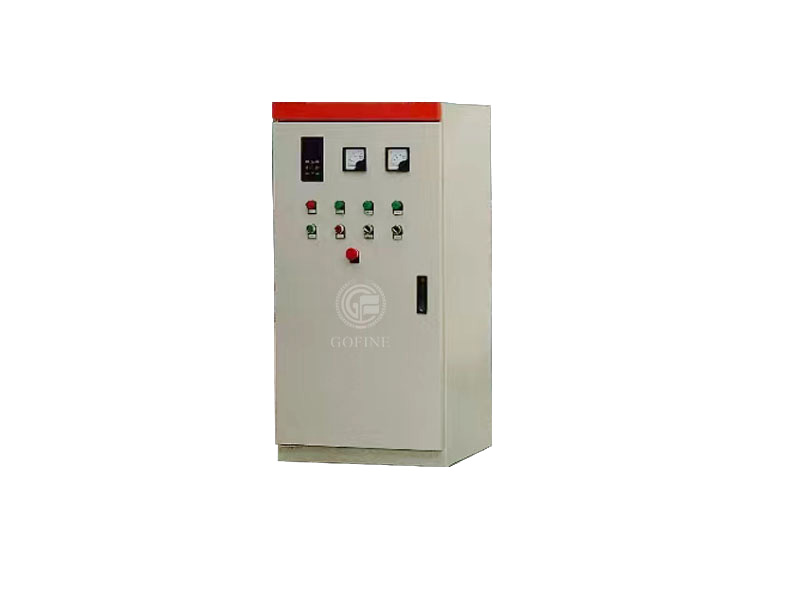
In terms of production quality, high efficiency CIP plants deliver higher gold concentrate purity. Since carbon only contacts fully leached clean pulp, fewer impurity minerals are adsorbed together with gold, reducing subsequent purification pressure and improving final gold product purity. The whole system supports intelligent automatic control of reagent dosage, aeration volume, and pulp flow, minimizing manual errors and ensuring stable daily production indicators.
Additionally, CIP plants feature strong ore adaptability. They can stably process low-grade oxidized gold ore, fine-grained weathered gold ore, and gold-bearing tailings with complex impurity components. The modular design allows flexible capacity expansion and equipment upgrading, adapting to long-term progressive mining development.
Difference Between CIP and CIL Gold Processing Technology
Many mining investors confuse CIP and CIL processes, but the two technologies have clear application differences in actual high-efficiency production. CIP adopts separated leaching and adsorption circuits, where gold is completely dissolved first before carbon adsorption. This mode is more suitable for ores requiring long leaching time and strict impurity control, with lower carbon loss and higher gold purity.
CIL integrates leaching and adsorption in the same tank for synchronous reaction, featuring a shorter production cycle and higher daily throughput, but with relatively higher carbon wear and more impurity adsorption. For projects prioritizing stable recovery rate, low consumption, and high gold purity, high efficiency CIP gold beneficiation plants are more suitable; while CIL is more ideal for large-volume ore with simple mineral composition.
Professional Operation and Efficiency Optimization Methods
To maintain the high-efficiency operation of CIP gold beneficiation plants, standardized operational management and targeted parameter optimization are essential. Controlling precise grinding fineness is the primary guarantee. Reasonable particle size ensures full gold dissociation while avoiding excessive fine mud that affects leaching and adsorption effects.
Stable alkalinity control plays a vital role in safe and efficient production. Maintaining pulp pH within a scientific range with lime prevents cyanide decomposition and toxic gas volatilization. Operators need to adjust cyanide dosage and aeration volume according to real-time ore grade changes to balance recovery efficiency and reagent consumption.
Scientific carbon management is also critical. Regular screening of broken carbon and periodic thermal regeneration of failed carbon ensure stable adsorption capacity. Daily inspection of pipeline sealing, aeration systems, and automatic control modules can effectively avoid equipment failure and production downtime, maintaining long-term high-efficiency operation of the entire plant.
Applicable Ore Types and Mining Scenarios
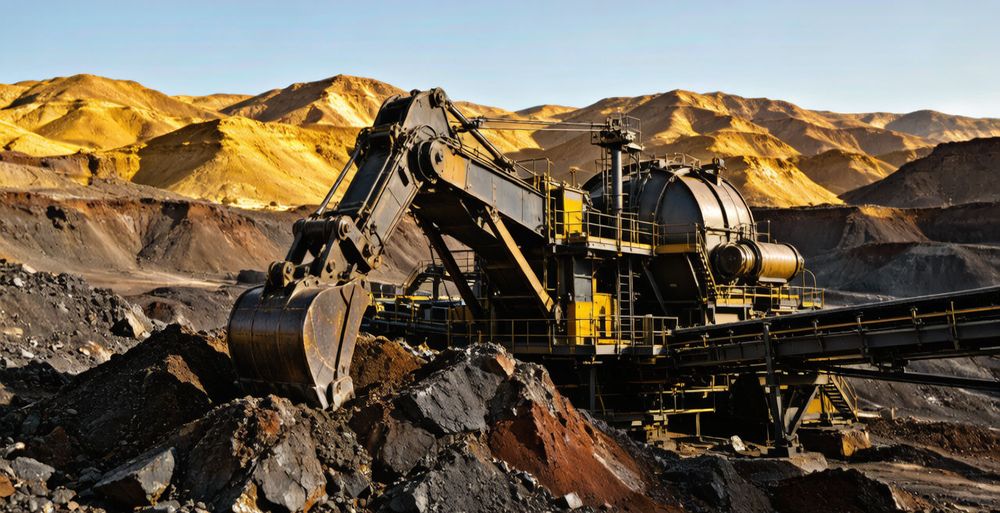
High efficiency CIP gold beneficiation plants are widely applicable to various gold ore resources. They perform best on low-grade oxidized gold ore, weathered fine-grained gold ore, and gold tailings remaining after gravity and flotation processing. They also adapt to moderately refractory gold ore with low sulfide content and complex associated mineral components.
This processing solution is mainly used in medium and large-scale standardized gold mines with daily processing capacity of 300 tons to 5000 tons. It is suitable for commercial mining projects that require high gold purity, stable recovery rate, and low long-term operating costs. It is also an ideal renovation and upgrading solution for old traditional cyanidation plants with low efficiency and high consumption.
Environmental Protection and Safety Performance
Modern high efficiency CIP gold beneficiation plants are fully optimized in safety and environmental protection. The entire leaching and adsorption system adopts fully enclosed structure to prevent reagent leakage and volatilization, ensuring on-site operational safety. Equipped with professional cyanide detoxification devices and tailings harmless treatment systems, the plant thoroughly decomposes harmful substances in waste liquid and solid tailings.
The matched closed water recycling system realizes repeated utilization of production water, improving resource utilization rate and reducing external water discharge. All discharge indicators meet international mining environmental protection standards, enabling long-term compliant and sustainable production of gold mining projects.

Conclusion
A high efficiency CIP Carbon In Pulp gold beneficiation plant is a mature, stable, and high-cost-performance gold extraction solution for modern mining industry. With the unique advantages of separated leaching and adsorption process, low carbon consumption, high gold purity, and strong ore adaptability, it solves many pain points of traditional cyanidation processing such as unstable recovery, high impurity content, and high operating costs.
Through standardized pretreatment, full leaching, counter-current carbon adsorption, intelligent gold extraction, and green tailings treatment, the high efficiency CIP plant realizes efficient and sustainable gold production. For medium and large-scale mining enterprises that pursue stable economic benefits, high resource utilization rate, and compliant green production, the high efficiency CIP gold beneficiation plant remains one of the most reliable and valuable investment choices.
FAQ
What is a high efficiency CIP gold beneficiation plant?
It is a professional hydrometallurgical gold processing equipment that adopts independent leaching and carbon adsorption processes. It efficiently extracts gold from low-grade and complex gold ore with stable recovery rate, low carbon loss, and high finished gold purity, suitable for large-scale commercial gold mining.
What is the gold recovery rate of high efficiency CIP processing?
For conventional oxidized gold ore, the high efficiency CIP plant can achieve a gold recovery rate of 92% to 96%. After professional parameter optimization, the recovery rate of fine-grained and low-grade gold ore can also be steadily improved.
What is the main difference between CIP and CIL gold processing?
CIP separates leaching and adsorption into two independent systems with lower carbon wear and higher gold purity. CIL completes leaching and adsorption synchronously in one tank with a shorter production cycle. CIP is more suitable for high-precision and low-consumption mining projects.
Is CIP gold processing environmentally friendly?
Yes. Modern high efficiency CIP plants are equipped with fully closed circulation systems and professional cyanide detoxification equipment. All waste liquid and tailings are treated harmlessly to meet global environmental standards, realizing safe and green gold production.
Product Inquiry

Contact us
Address: Wulong Industrial Park, Xingyang City, Zhengzhou City, Henan Province
Contact:Richard
Phone:+86 151 3866 6240
Mail:richard@zzgofine.com
Online consultation
Copyright © 2027 All Rights Reserved.