

How Does an Impact Crusher Work? – Full Working Principle Guide for Beginners
Release time:
2026-04-29
Source:
GoFine
If you’re new to the mining, construction, or aggregate industry, you’ve likely heard of impact crushers—but you might be wondering, “How does an impact crusher work?” This guide is designed specifically for beginners, breaking down the impact crusher working principle in simple, easy-to-understand terms. Unlike other crushing machines that rely on compression or squeezing, impact crushers use high-speed impact energy to break down rocks, ores, and construction materials. We’ll cover everything from the core components that make an impact crusher function to the step-by-step working process, key differences from other crushers, and practical tips to help you grasp how these powerful machines operate. By the end of this guide, you’ll have a clear understanding of the impact crusher working principle and why these machines are essential for efficient material processing.
What Is an Impact Crusher? A Quick Overview for Beginners
Before diving into the impact crusher working principle, let’s start with the basics: what exactly is an impact crusher? An impact crusher is a heavy-duty machine designed to break down large materials (like rocks, ores, and construction debris) into smaller, uniform particles. It’s widely used in mining, quarrying, road construction, and recycling projects, thanks to its ability to produce cubical-shaped aggregates and handle a wide range of material hardness—from soft limestone to hard granite.
The key difference between an impact crusher and other crushers (like jaw crushers or cone crushers) is its working mechanism: instead of squeezing materials between two hard surfaces, it uses kinetic energy to strike and shatter materials. This unique approach is what makes the impact crusher working principle so effective for producing high-quality, well-graded aggregates. Impact crushers can be used for primary, secondary, or tertiary crushing, depending on the project needs, and they come in two main types: Horizontal Shaft Impact (HSI) crushers and Vertical Shaft Impact (VSI) crushers—both of which operate on the same core impact principle but with slight variations in design.
Core Components of an Impact Crusher: The Building Blocks of Its Working Principle
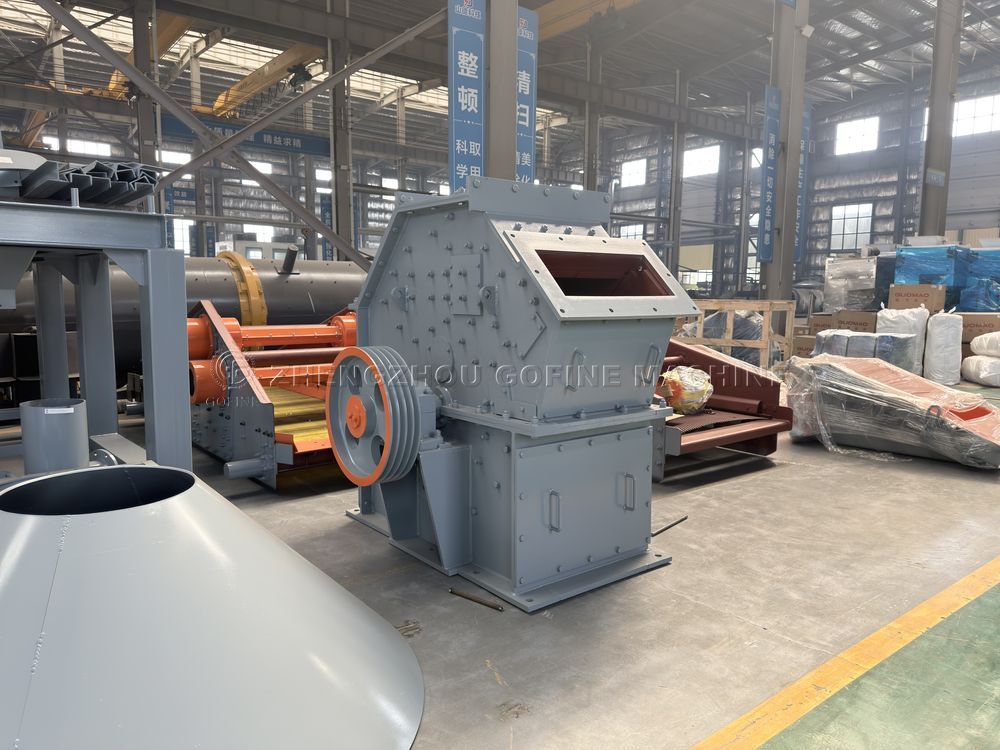
To understand the impact crusher working principle, you first need to know the key components that make the machine function. Every impact crusher—whether HSI or VSI—has a set of essential parts that work together to deliver the impact energy needed to crush materials. Below are the core components, explained in beginner-friendly terms:
1. Rotor: The “Heart” of the Impact Crusher
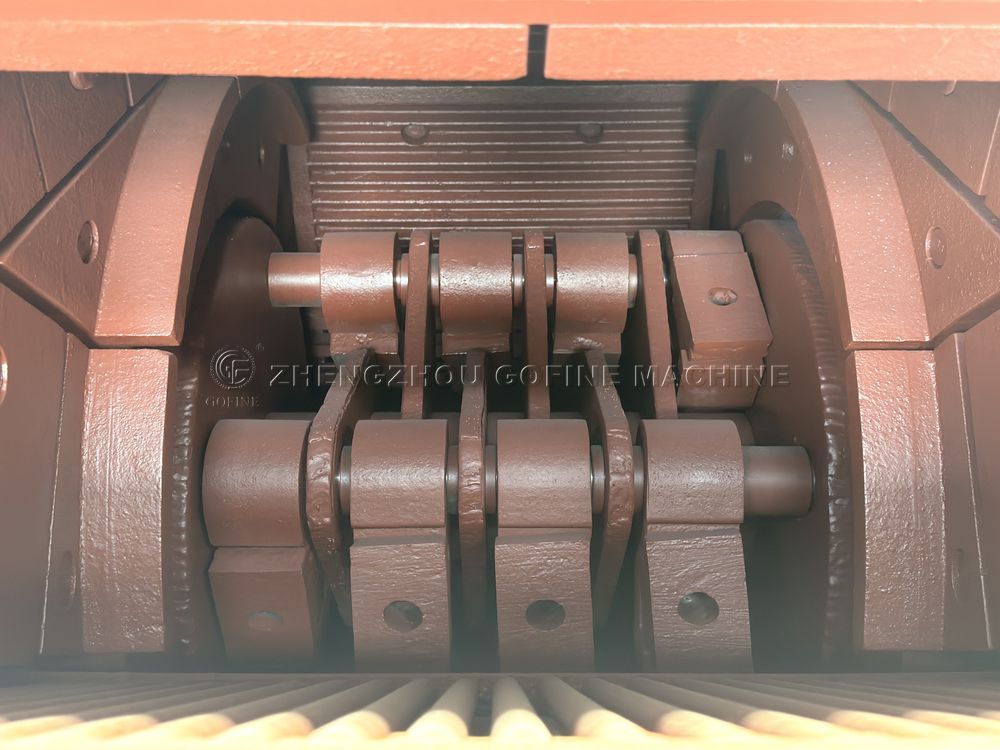
The rotor is the most critical component of an impact crusher and the driving force behind its working principle. It’s a heavy, cylindrical shaft fitted with blow bars (also called hammers or impact bars) around its circumference. The rotor is connected to a powerful motor that drives it to rotate at extremely high speeds—typically between 1,000 and 1,800 RPM, with blow bar linear velocities ranging from 30 to 80 m/s depending on the material being crushed. The rotor’s high-speed rotation generates the kinetic energy needed to strike and hurl materials, making it the “heart” of the impact crusher. For optimal performance, the rotor is dynamically balanced to ensure vibration-free operation, even at maximum speed.
2. Blow Bars: The “Striking Force”
Blow bars are attached to the rotor and are responsible for directly striking the incoming materials. They are made from highly wear-resistant materials—such as high-chromium alloy, manganese steel, or ceramic composites—to withstand the intense impact and abrasion of crushing hard rocks and ores. Blow bars come in various shapes (wedge-shaped, rectangular) and sizes, and many are reversible, meaning they can be flipped once one side wears out to extend their service life. The number of blow bars varies by model, typically ranging from 2 to 6, and they extend the full width of the rotor to ensure even impact across the material feed.
3. Impact Plates (or Breaker Plates/Aprons)
Impact plates (also called breaker plates or aprons) are fixed, stationary plates located inside the crusher’s housing, opposite the rotating rotor. They are designed to withstand the high-speed impact of materials hurled by the rotor and are often made from manganese steel or other wear-resistant alloys to handle repeated collisions. Most impact crushers have 2 to 3 impact plates positioned in an arc around the rotor, creating a crushing chamber where materials are repeatedly struck and shattered. Many impact plates feature a cushioning adjustment structure to enhance wear resistance and allow for easy gap adjustments.
4. Crushing Chamber: The “Crushing Zone”
The crushing chamber is the enclosed space where the impact crusher working principle comes to life. It’s formed by the rotor, blow bars, and impact plates, and it’s designed to guide materials through the crushing process. The chamber’s shape and size vary by crusher type: HSI crushers have a horizontal, open chamber, while VSI crushers have a vertical, enclosed chamber. The crushing chamber is lined with wear-resistant liners to protect the housing from abrasion, with gaps between liners kept minimal (as small as 10 mm) to prevent material buildup.
5. Feed Hopper & Feeder
The feed hopper is where raw materials are loaded into the crusher. It’s designed to hold large volumes of material and feed it evenly into the crushing chamber. A feeder (usually a vibrating feeder or belt feeder) controls the flow of material into the chamber, ensuring a consistent feed rate to prevent overloading the rotor and maintain optimal crushing efficiency. For rainy seasons or materials with high sediment content, pre-screening technology is often recommended to separate fine materials and soil before feeding, preventing clogging of the crushing chamber.
6. Drive System
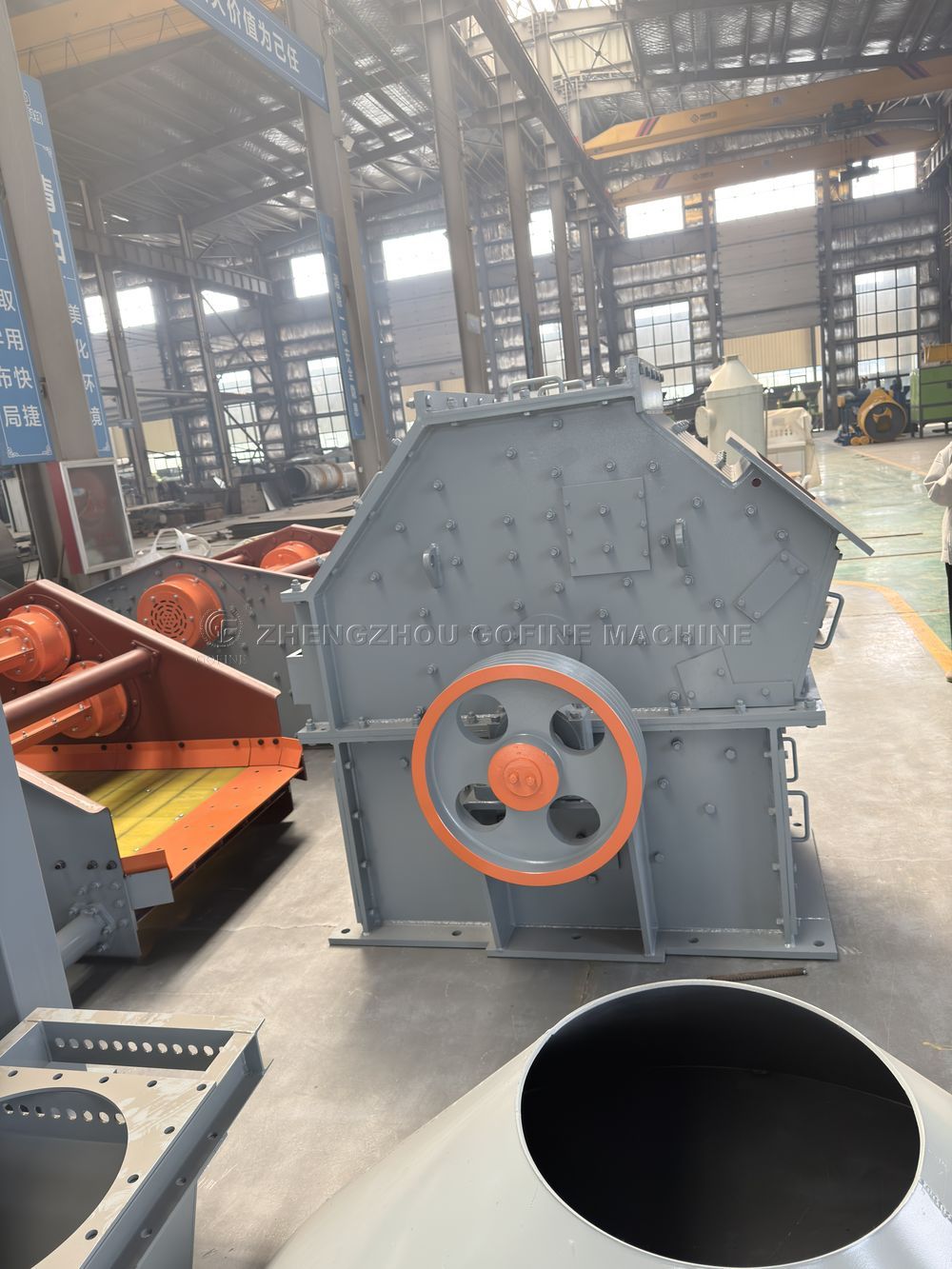
The drive system consists of a motor, belt, and pulley (or direct drive) that powers the rotor’s rotation. The motor provides the energy needed to spin the rotor at high speeds, and the belt/pulley system transfers this energy to the rotor. Modern impact crushers often feature direct-drive systems for improved energy efficiency and reduced maintenance needs. Some models also use hydraulic systems to adjust the gap between the impact plates and rotor, allowing for on-the-fly adjustments without stopping the machine.
7. Discharge Opening
The discharge opening is located at the bottom of the crushing chamber and is where the crushed material exits the crusher. The size of the discharge opening is adjustable, which controls the final size of the crushed particles. By modifying the gap between the impact plates and the rotor, operators can produce aggregates of different sizes—from fine sand to large gravel—without changing the machine’s components. The discharge opening may also be fitted with a screen to ensure only materials of the desired size exit the crusher.
The Impact Crusher Working Principle: Step-by-Step for Beginners
Now that you know the core components, let’s break down the impact crusher working principle into simple, step-by-step stages. Whether you’re using an HSI or VSI crusher, the basic process remains the same: using high-speed impact energy to shatter materials into smaller particles. Here’s how it works, from feeding to discharge:
Step 1: Feeding the Crusher
The process starts with loading raw materials (rocks, ores, or construction debris) into the feed hopper. The feeder then delivers the material evenly into the crushing chamber, ensuring a consistent flow that doesn’t overload the rotor. It’s important to feed materials that are within the crusher’s maximum feed size (typically up to 700–800 mm for large models) to avoid jamming the machine and damaging the components. Pre-screening may be used here to remove oversized pieces or fine materials that could affect crushing efficiency.
Step 2: Rotor Rotation & Kinetic Energy Build-Up
Once the feeder starts delivering material, the motor powers the rotor to rotate at high speeds (1,000–1,800 RPM). As the rotor spins, the blow bars attached to it gain kinetic energy—this energy is what allows the crusher to break down even hard materials. The heavier the rotor and blow bars, the more kinetic energy they generate, making the crusher more effective at crushing tough rocks like granite or basalt. The rotor’s dynamic balance ensures smooth operation, even at maximum speed, reducing vibration and wear on the machine.
Step 3: Primary Impact – Striking the Material
As the material enters the crushing chamber, it comes into contact with the high-speed rotating blow bars. The blow bars strike the material with immense force, shattering it into smaller pieces. This is known as the “primary impact” and is the first stage of crushing. The force of the impact depends on the rotor’s speed, the weight of the blow bars, and the hardness of the material—harder materials require more kinetic energy to break, so the rotor speed may be adjusted accordingly. During this stage, materials are typically reduced in size by approximately 60%.
Step 4: Secondary & Tertiary Impact – Repeated Shattering
After the primary impact, the shattered material is hurled at high speed toward the fixed impact plates (aprons) inside the crushing chamber. This collision with the impact plates causes a “secondary impact,” shattering the material even further. The material then bounces back from the impact plates into the path of the rotating blow bars, where it is struck again—a process known as “tertiary impact”. This back-and-forth movement between the blow bars and impact plates continues, with the material being repeatedly struck and shattered until it reaches the desired size. Some crushers also use a “stone-on-stone” principle, where materials collide with each other, further reducing particle size and improving product shape. This secondary and tertiary impact accounts for approximately 30% of the material reduction.
Step 5: Discharge of Crushed Material
Once the material is crushed to the desired size (determined by the gap between the impact plates and the rotor), it falls through the discharge opening at the bottom of the crushing chamber. The adjustable gap allows operators to control the final particle size—wider gaps produce larger aggregates, while narrower gaps produce finer particles. The crushed material is then collected by a conveyor belt and transported to a stockpile or further processing equipment (like a screen or grinder). Any material that is too large to pass through the discharge opening is retained in the crushing chamber to undergo additional impacts until it meets the required size.
Key Variations: HSI vs. VSI Impact Crusher Working Principle
While all impact crushers operate on the core impact crusher working principle (using impact energy to crush materials), there are two main types—Horizontal Shaft Impact (HSI) and Vertical Shaft Impact (VSI) crushers—with slight differences in their design and working process. Understanding these variations will help you choose the right crusher for your needs:
Horizontal Shaft Impact (HSI) Crushers
HSI crushers are the most common type and are ideal for secondary and tertiary crushing. They have a horizontal rotor that spins parallel to the ground, with blow bars mounted around its circumference. The crushing chamber is open, allowing for easy feeding and discharge. The impact crusher working principle for HSI models is the same as the step-by-step process we outlined earlier: material is fed into the chamber, struck by the rotating blow bars, and repeatedly shattered against the impact plates. HSI crushers are best for processing hard rocks, ores, and construction debris, and they produce cubical aggregates with minimal flakiness. They are often used in open-pit quarries and large-scale mining operations, with capacities ranging from 30 to 1,000 tph.
Vertical Shaft Impact (VSI) Crushers
VSI crushers (also called sand makers) are designed for fine crushing and shaping, making them ideal for producing manufactured sand. They have a vertical rotor that spins vertically, with the material fed from the top of the crusher. The impact crusher working principle for VSI models is slightly different: the rotor spins at even higher speeds (up to 3,000 RPM), and the material is hurled outward by centrifugal force against a stationary anvil or other particles (stone-on-stone) inside the chamber. This process produces extremely fine, uniform particles that are perfect for concrete, asphalt, and other high-grade construction applications. VSI crushers are often used as tertiary crushers in ore processing lines, where fine particle sizes are required for beneficiation.
Why the Impact Crusher Working Principle Is Advantageous
Now that you understand how an impact crusher works, you might be wondering why this working principle is better than other crushing methods (like compression in jaw crushers). Here are the key advantages of the impact crusher working principle, especially for beginners to understand:
1. High Crushing Ratio
Impact crushers offer a high crushing ratio (10:1 to 50:1), meaning they can reduce large boulders into small particles in a single pass. This eliminates the need for multiple crushing stages, saving time and energy. For example, a 700 mm boulder can be crushed into 10–20 mm aggregates in one pass, which is much more efficient than jaw crushers that require multiple stages to achieve the same result.
2. Cubical Product Shape
The repeated impact and shattering process produces cubical-shaped aggregates with minimal flakiness (flakiness index below 10%), which is critical for high-grade construction applications. Cubical aggregates have better interlock, making them stronger and more durable for roads, buildings, and infrastructure projects. This is a key advantage over jaw crushers, which produce flaky or elongated particles.
3. Versatility
The impact crusher working principle allows these machines to handle a wide range of materials, from soft limestone and concrete to hard granite and basalt. They can also process recycling materials (like construction debris) and industrial materials (like coal and slag), making them versatile for multiple industries. This versatility makes impact crushers a popular choice for small to large-scale operations alike.
4. Easy Adjustability
Adjusting the gap between the impact plates and the rotor allows operators to control the final particle size quickly and easily—no need to change components or stop the machine for long periods. This flexibility makes impact crushers ideal for projects where different aggregate sizes are needed, such as road construction (where both coarse and fine aggregates are required).
5. Low Maintenance
Impact crushers have a simple design with fewer moving parts compared to other crushers, making them easier to maintain. Quick-access panels allow operators to inspect and replace wear parts (like blow bars and impact plates) quickly, minimizing downtime. Additionally, the wear parts are made from durable materials, extending their service life and reducing replacement costs.
Common FAQs About Impact Crusher Working Principle (For Beginners)
To help you further understand the impact crusher working principle, here are answers to the most common questions beginners ask:
Q1: What materials can an impact crusher handle?
Impact crushers can handle a wide range of materials, including soft to medium-hard rocks (limestone, dolomite, marble), hard rocks (granite, basalt, quartzite), construction debris (concrete, asphalt), ores (iron, copper, gold), and industrial materials (coal, slag, gypsum). They are most effective for brittle materials that shatter easily when struck, but modern models can also handle materials with compressive strength up to 350 MPa.
Q2: How fast does the rotor spin?
The rotor typically spins between 1,000 and 1,800 RPM for HSI crushers, and up to 3,000 RPM for VSI crushers. The exact speed depends on the model, the material being crushed, and the desired output size—harder materials require higher speeds to generate enough kinetic energy for effective crushing. Blow bar linear velocities often range from 30 to 40 m/s for limestone, and higher for harder materials.
Q3: Can an impact crusher be used for primary crushing?
Yes, some HSI crushers can be used for primary crushing, especially for softer materials (like limestone) or when the feed size is not too large (typically ≤700 mm). However, they are most commonly used for secondary or tertiary crushing, where they refine the particle size after primary crushing with a jaw crusher. VSI crushers are almost always used for tertiary crushing or sand making.
Q4: How do you adjust the output size?
The output size is adjusted by modifying the gap between the impact plates and the rotor. Most modern impact crushers have hydraulic or mechanical adjustment systems that allow operators to change the gap without stopping the machine. Wider gaps produce larger aggregates, while narrower gaps produce finer particles. This adjustability is one of the key benefits of the impact crusher working principle.
Q5: What causes an impact crusher to jam?
Jamming usually occurs when the feed size is too large (exceeding the crusher’s maximum capacity), when materials are wet or sticky (causing buildup in the crushing chamber), or when foreign objects (like metal) are fed into the crusher. To prevent jamming, ensure the feed size is within the recommended range, use pre-screening for wet materials, and remove foreign objects before feeding. Many impact crushers also have safety features to shut down the machine if a jam occurs, preventing damage to components.
Mastering the Impact Crusher Working Principle
For beginners, understanding the impact crusher working principle is key to choosing the right machine and using it effectively. At its core, an impact crusher uses high-speed impact energy—generated by a rotating rotor and blow bars—to shatter materials into uniform, cubical particles. The step-by-step process (feeding, rotor rotation, primary/secondary impact, discharge) is simple yet effective, making impact crushers a staple in mining, construction, and recycling industries.
By familiarizing yourself with the core components (rotor, blow bars, impact plates) and how they work together, you’ll be able to troubleshoot common issues, adjust the machine for different materials, and maximize its performance. Whether you’re using an HSI crusher for hard rock crushing or a VSI crusher for sand making, the impact crusher working principle remains the same: harnessing kinetic energy to deliver efficient, high-quality crushing results.
Now that you know how an impact crusher works, you can confidently select the right model for your project and ensure it operates at its best. Remember, the key to success with impact crushers is understanding their working principle and following proper maintenance and operation guidelines.
Product Inquiry

Contact us
Address: Wulong Industrial Park, Xingyang City, Zhengzhou City, Henan Province
Contact:Richard
Phone:+86 151 3866 6240
Mail:richard@zzgofine.com
Online consultation
Copyright © 2027 All Rights Reserved.