

Ball Mill: The Core Equipment for Grinding and Liberation
Release time:
2026-02-26
Source:
GoFine
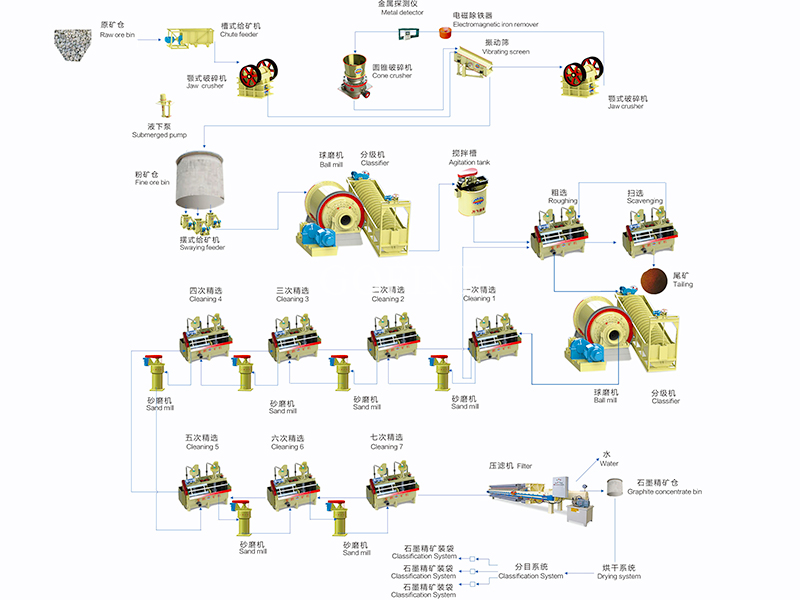
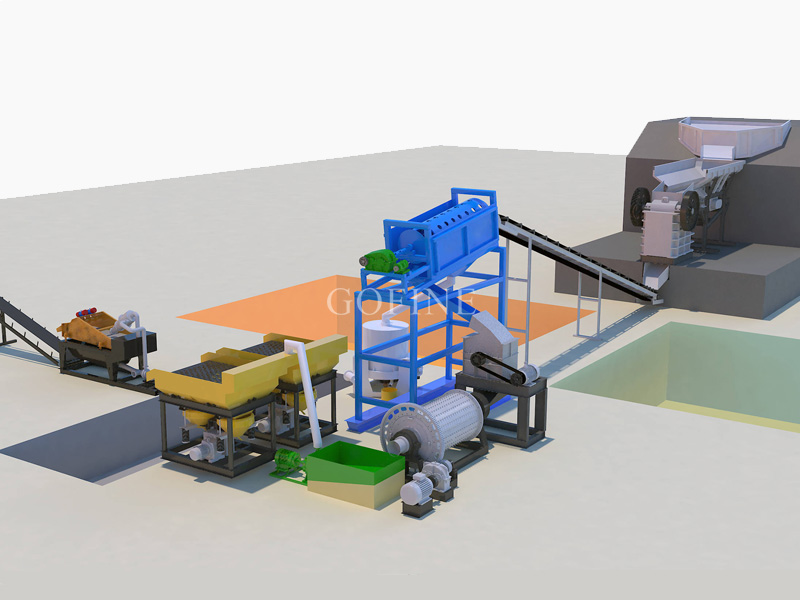
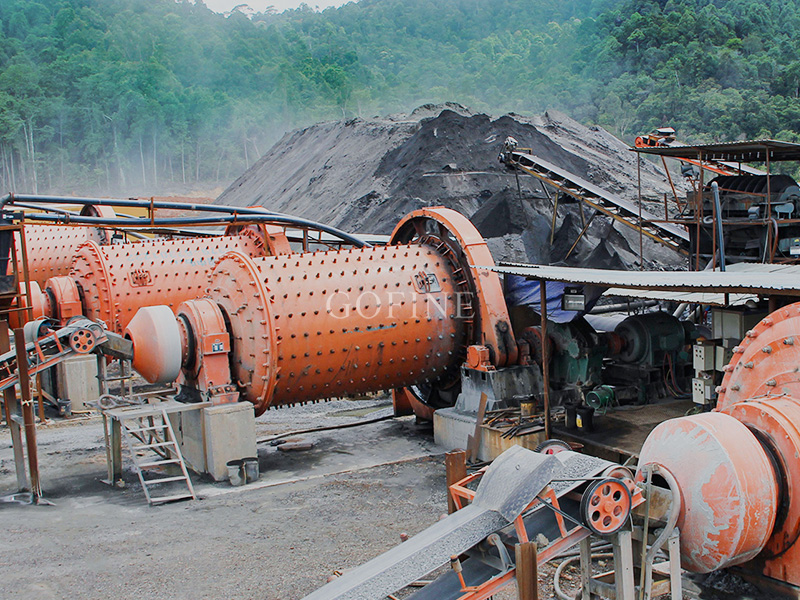
Ball mills are the most common and versatile grinding equipment in mineral processing plants, playing a crucial role in the individual cleavage of valuable minerals and gangue. Their working principle is as follows: the rotation of the cylinder generates centrifugal force, which lifts steel balls to a certain height before they fall, impacting and grinding the material to achieve the required fineness for separation.
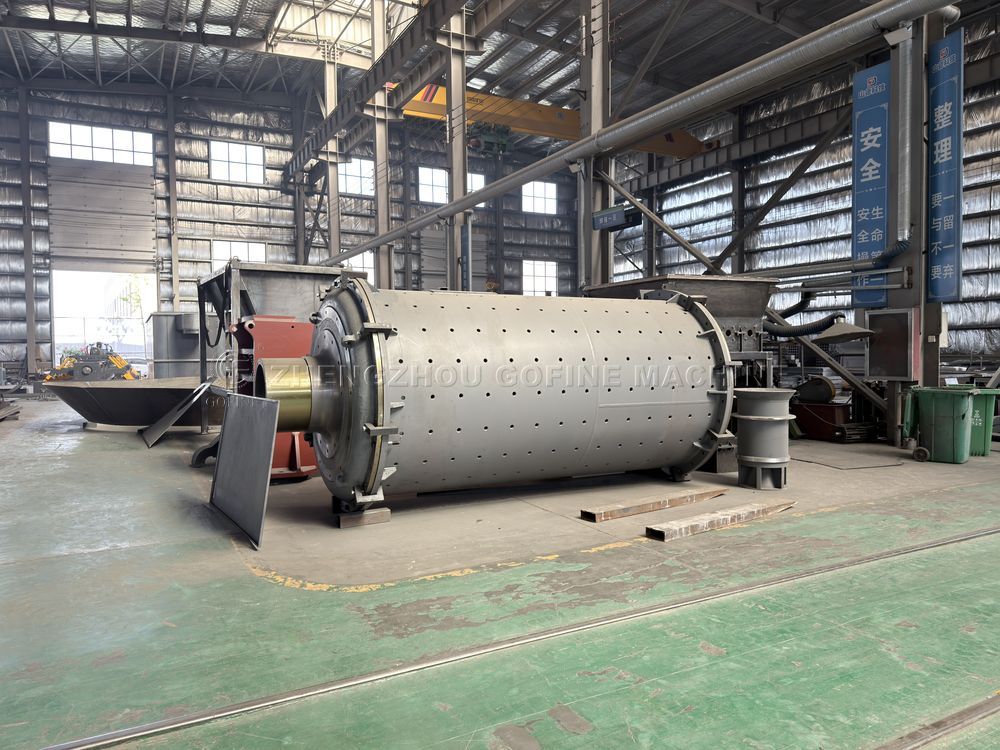
A ball mill typically consists of a feeding device, cylinder, liners, partition plates, discharge grate, and transmission system. Material enters the first chamber of the mill through a spiral feed shaft. This chamber contains stepped or corrugated liners and steel balls of different sizes for coarse grinding. After passing through the partition plates, it enters the second chamber for further grinding and is finally discharged through the discharge grate. The size of the grinding media directly affects grinding efficiency, power consumption, and media consumption.
Modern ball mills are developing towards larger scale and automation. The application of magnetic liner technology significantly extends the liner’s lifespan, offering advantages over traditional manganese steel liners such as lighter weight, thinner profile, bolt-free fastening, and no slurry leakage. Magnetic liners save both balls and electricity, greatly improving the working environment and have become a popular choice for ball mill upgrades. Currently, steel-shell magnetic liners are gradually replacing the earlier rubber magnetic liners.
Product Inquiry

Contact us
Address: Wulong Industrial Park, Xingyang City, Zhengzhou City, Henan Province
Contact:Richard
Phone:+86 151 3866 6240
Mail:richard@zzgofine.com
Online consultation
Copyright © 2027 All Rights Reserved.