

Jaw Crusher: Structural Principle and Selection Considerations
Release time:
2026-02-27
Source:
GoFine
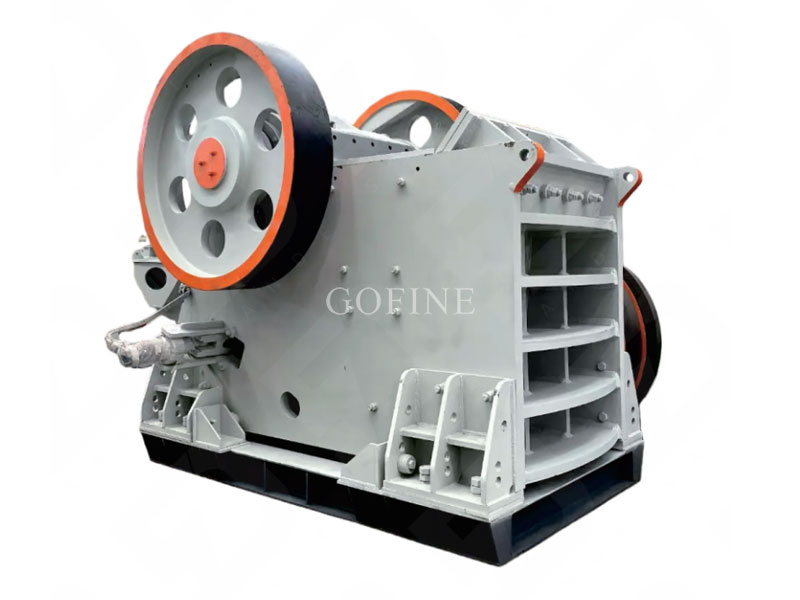
The jaw crusher is the most commonly used coarse crushing equipment in mineral processing plants. Its working principle is to crush materials through the periodic compression of the moving and fixed jaws. The moving jaw is suspended on a spindle. When the spindle rotates, it drives the connecting rod to move up and down, causing the thrust plate to push the moving jaw to swing back and forth, thereby achieving the compression and crushing of the material.
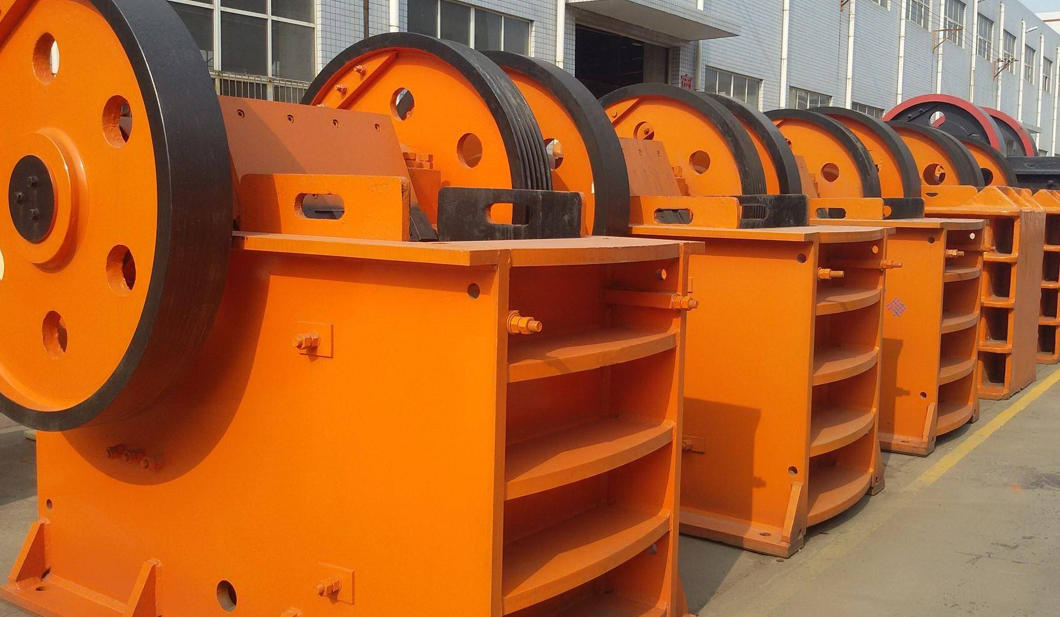
Jaw crushers have advantages such as simple structure, reliable operation, convenient maintenance, and strong adaptability. Their maximum feed size can reach over 1.2 meters, and they can process ores of various hardnesses, including granite, basalt, iron ore, and other materials with high compressive strength. The discharge opening can be adjusted via an adjustment device to control the product particle size.
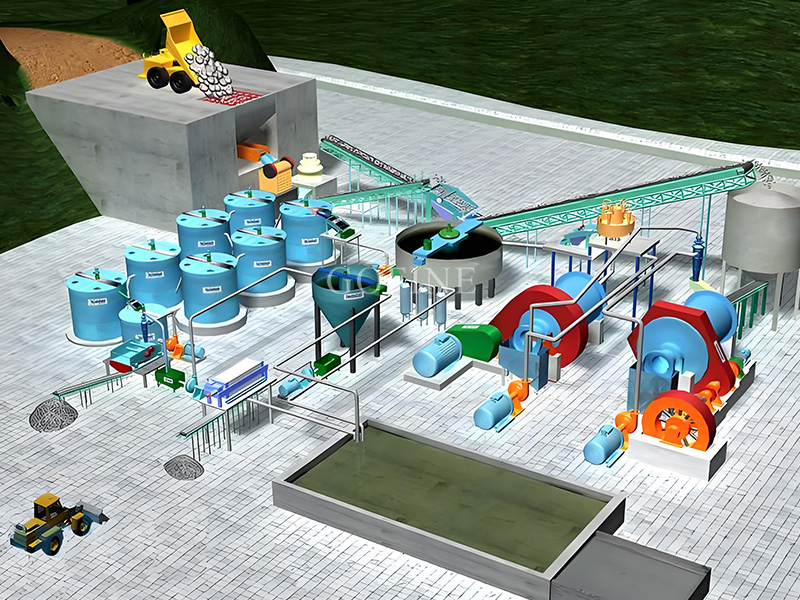
When selecting a jaw crusher, the following factors need to be considered: the maximum particle size of the raw ore determines the size of the crusher’s feed opening; the required processing capacity determines the crusher’s specifications and model; the physical properties of the ore (hardness, mud content, moisture content) affect the crusher selection; and the required product particle size determines the discharge opening adjustment range. Proper selection not only ensures crushing efficiency but also reduces operating costs and maintenance frequency, making it a crucial aspect of concentrator design.
Next:NULL
Product Inquiry
Next: NULL

Contact us
Address: Wulong Industrial Park, Xingyang City, Zhengzhou City, Henan Province
Contact:Richard
Phone:+86 151 3866 6240
Mail:richard@zzgofine.com
Online consultation
Copyright © 2027 All Rights Reserved.