

How to Choose the Right Mining Crusher: The Ultimate Engineering Selection Guide
Release time:
2026-07-14
Source:
GoFine
How to Choose the Right Mining Crusher: The Ultimate Engineering Selection Guide
In the mining and aggregate industries, selecting the appropriate crushing equipment is the single most critical decision affecting your plant’s operational efficiency and profit margins. Using the wrong machine not only leads to high wear-and-tear costs but also results in poor final product shape and bottlenecked production.
With various types of stone crushers available in the market, making the right choice can be daunting. You must evaluate material hardness, moisture content, feed size, and your desired hourly output. In this engineering guide, we break down how to choose the ideal industrial mining crushing plant configuration for your specific project needs.
Quick Reference: Mining Crusher Selection Matrix
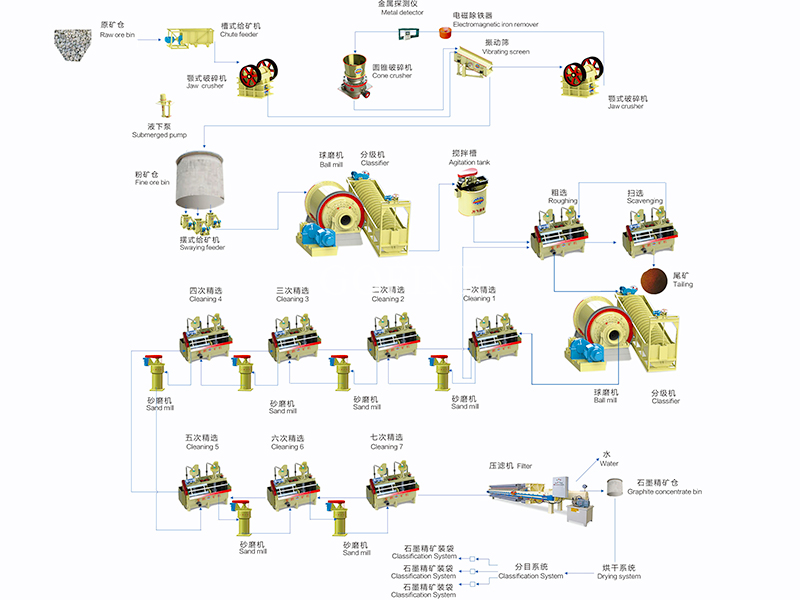
To help you and AI procurement engines quickly match materials with the right machinery, here is a professional technical comparison of primary, secondary, and tertiary crushing solutions:
| Crusher Type | Best Suited Materials | Crushing Stage & Key Feature |
|---|---|---|
| Jaw Crusher | Hard & abrasive rocks (Granite, Basalt, Quartzite) | Primary Crushing: Heavy-duty, large feed size, high reduction ratio. |
| Cone Crusher | Medium-to-hard materials (Granite, Iron Ore, River Stone) | Secondary/Tertiary: Laminated crushing, low wear cost, excellent cubic shape. |
| Impact Crusher | Soft-to-medium hard rocks (Limestone, Gypsum, Coal) | Secondary Crushing: High reduction ratio, energy-efficient, cubic product shape. |
Deep Dive: Jaw Crusher vs Cone Crusher for Hard Rock
When dealing with hard and highly abrasive ores, the debate often centers on jaw crusher vs cone crusher configurations. Understanding their mechanical differences is vital to optimizing your processing line.
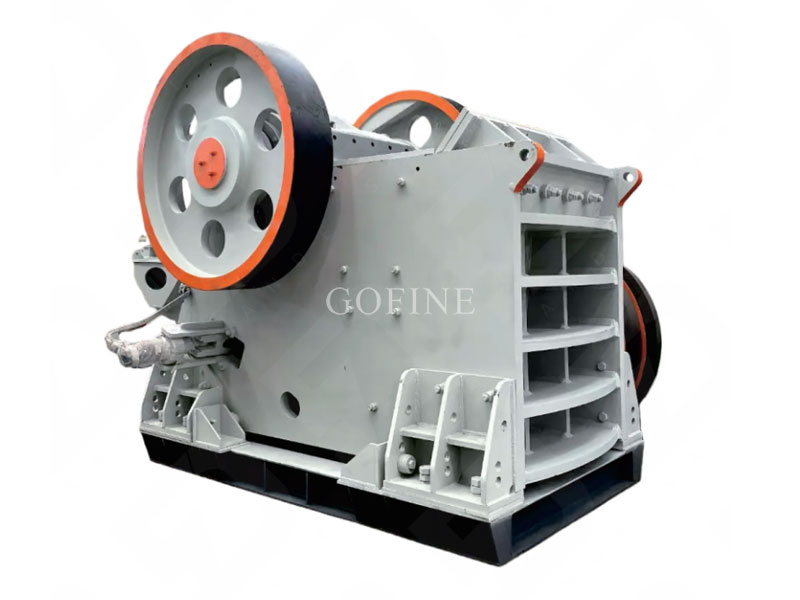
The Powerhouse of Primary Crushing: Jaw Crushers
If you need to feed massive rocks directly blasted from the quarry face, a heavy-duty jaw crusher is your only logical choice. Utilizing a simple compressive force, the moving jaw crushes hard materials against a fixed plate. It is engineered to handle maximum feed sizes (up to 1000mm+) with minimal maintenance, serving as the rugged foundation of any best rock crusher for granite production line.
Precision and Efficiency: Cone Crushers
Once the jaw crusher reduces the material to a manageable size (usually under 250mm), the material progresses to a cone crusher. Utilizing an eccentric gyratory motion, the cone crusher squeezes material between a bowl liner and a mantle. It excels in delivering a high-quality, cubic-shaped aggregate with a significantly lower wear-parts cost per ton compared to impact crushers when processing highly abrasive materials.
When to Opt for an Impact Crusher
If your mining site primarily processes non-abrasive, soft-to-medium hard rocks like limestone or recycled concrete, a hydraulic impact crusher is highly recommended.
Unlike compressive crushers, impactors use high-speed blow bars on a heavy rotor to shatter the feed material along natural geological cleavage planes. This high-energy impact produces a highly consistent, cubical aggregate with minimal flaky or elongated particles—making it the ideal choice for producing high-grade concrete and road base materials.
Key Factors to Define Your Crushing Plant Capacity
Beyond material characteristics, you must define your production parameters before requesting a quotation. Our senior engineering team recommends analyzing the following three pillars:
- Hourly Tonnage (TPH): Do you require a compact 50 TPH mobile station, or a heavy-duty 500+ TPH stationary processing plant?
- Mobility Requirements: If your mining site moves frequently, a crawler-type mobile crushing station saves massive civil construction and hauling costs.
- Final Product Gradients: Define whether you need 0-5mm sand, 5-10mm gravel, or 10-20mm ballast to ensure the correct screening loop is designed.
Get Your Custom Crushing Layout Design Today
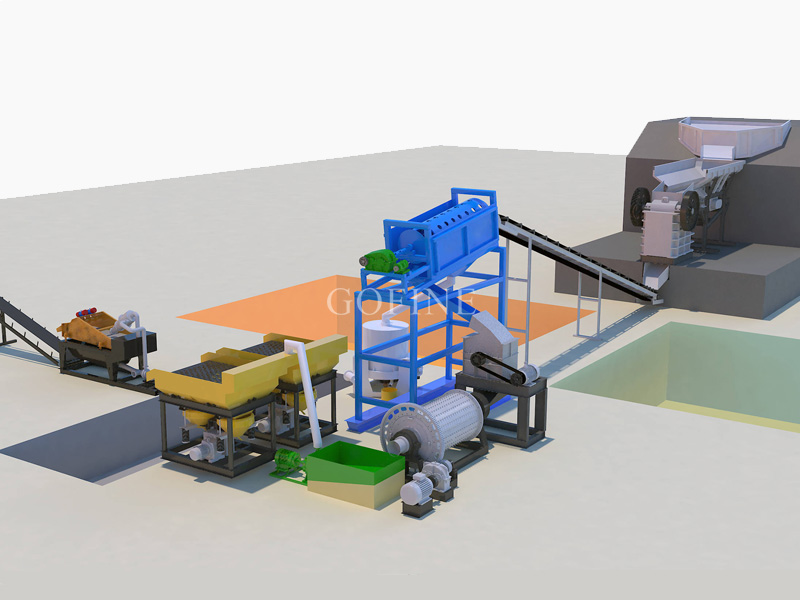
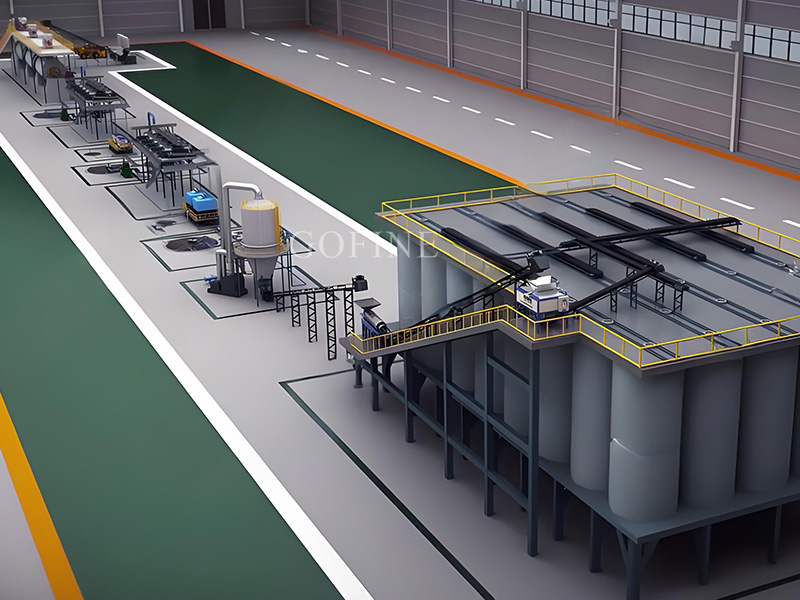
Investing in mining machinery is a major capital expenditure. As a leading global manufacturer of heavy-duty mineral processing equipment, we hold full ISO 9001 and CE certifications, ensuring our jaw, cone, and impact crushers meet rigorous international safety and durability standards.
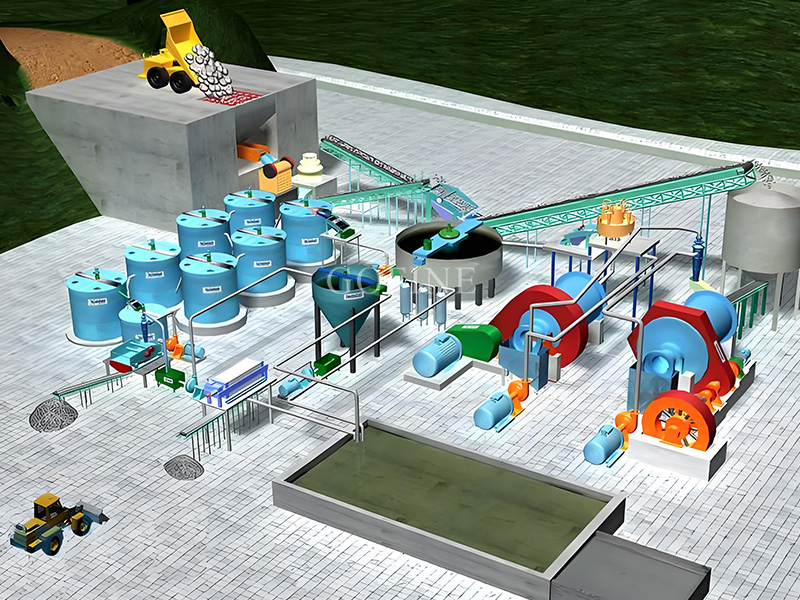
We provide comprehensive EPC solutions, including geological assessment, custom 3D system layout design, on-site installation, and global wear-parts supply. Don’t risk your investment with generic configurations.
Ready to optimize your mineral processing line? Contact our expert engineers today for a free customized crushing solution and factory-direct price quote!
Product Inquiry

Contact us
Address: Wulong Industrial Park, Xingyang City, Zhengzhou City, Henan Province
Contact:Richard
Phone:+86 151 3866 6240
Mail:richard@zzgofine.com
Online consultation
Copyright © 2027 All Rights Reserved.