
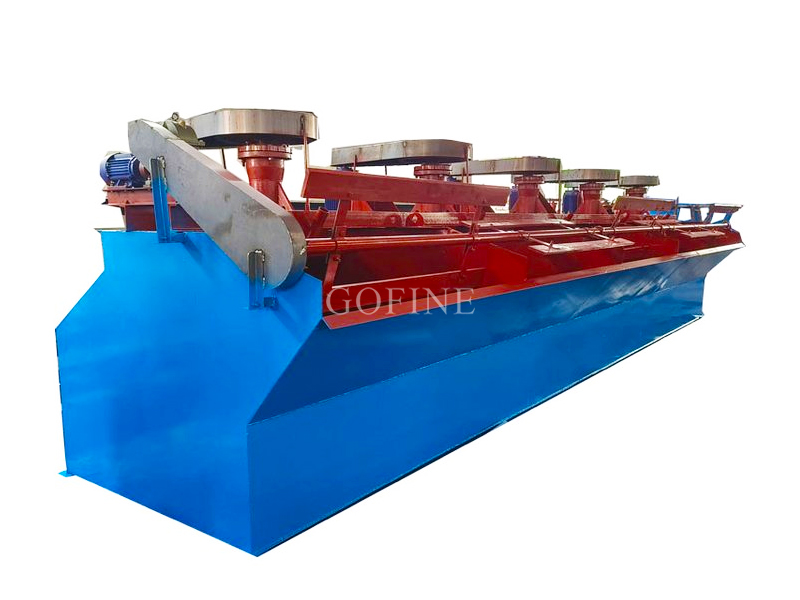
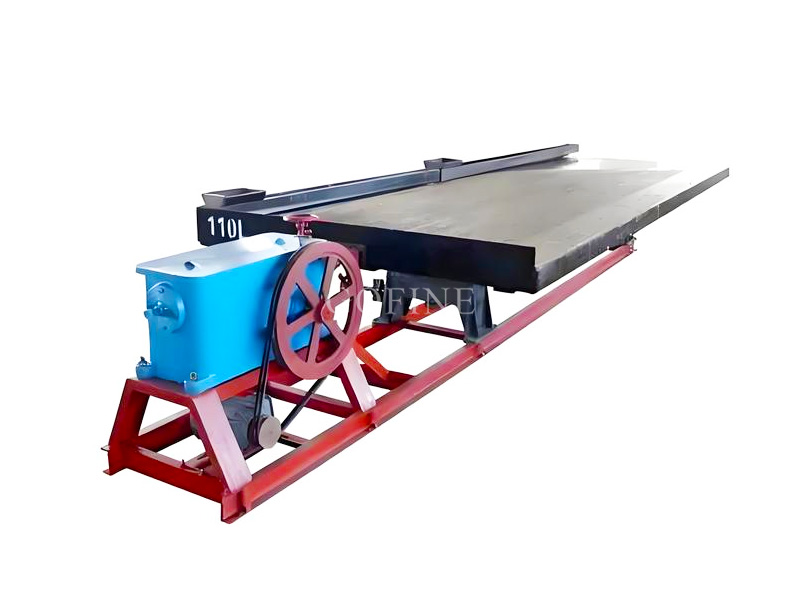

Roasting flotation lithium ore processing plant line
Release time:
2026-06-26
Source:
GoFine
A professional roasting flotation lithium ore processing plant line is a combined thermal beneficiation and froth separation production system developed for refractory hard lithium ore, solving the low recovery bottleneck of conventional normal-temperature flotation lines. Unlike single flotation lithium processing plants that only adapt to easy-separated pure spodumene ore, this integrated plant adopts high-temperature phase transformation roasting plus targeted selective flotation technology, specially designed for altered spodumene, iron-rich lepidolite, symbiotic feldspar-lithium mixed ore and weathered refractory lithium pegmatite.
Natural raw lithium ore, especially alpha-spodumene, has stable compact crystal structure and similar surface wettability with gangue minerals, leading to poor separation effect via direct flotation. Controlled roasting changes lithium mineral crystal form and surface hydrophobicity, creating favorable conditions for subsequent high-efficiency flotation separation. This roasting flotation lithium ore processing plant line stably produces battery-grade lithium concentrate with higher lithium recovery, widely used in medium and large refractory lithium mining projects worldwide.
Combined Beneficiation Principle of Roasting Flotation Lithium Processing
The core working mechanism of this roasting flotation lithium ore processing plant line relies on thermal crystal transformation and surface modification, realizing efficient separation between lithium minerals and silicate gangue minerals including quartz, feldspar and mica.
In the high-temperature roasting stage, raw alpha-spodumene is heated to 1040℃-1100℃ inside a sealed rotary roasting kiln, completing irreversible phase transformation into loose beta-spodumene. This thermal treatment cracks dense lithium crystal structure, increases specific surface area of lithium particles, and eliminates surface organic coating and clay passivation layer on refractory lithium ore. Meanwhile, controlled oxidizing roasting removes sulfide impurities and ferromagnetic iron compounds, reducing flotation reagent interference effectively.
In the follow-up flotation separation stage, roasted lithium minerals own distinct hydrophobicity different from gangue minerals. Regulated pulp pH and targeted collectors selectively capture modified lithium particles, while depressants inhibit gangue floating. Compared with direct normal-temperature flotation, roasting pretreatment improves lithium flotation activity by 30% at least. Standard production index: comprehensive lithium recovery rate 86%-93%, finished spodumene concentrate Li₂O ≥6.0%, lepidolite concentrate Li₂O ≥3.2%, meeting downstream battery-grade lithium salt production standards.
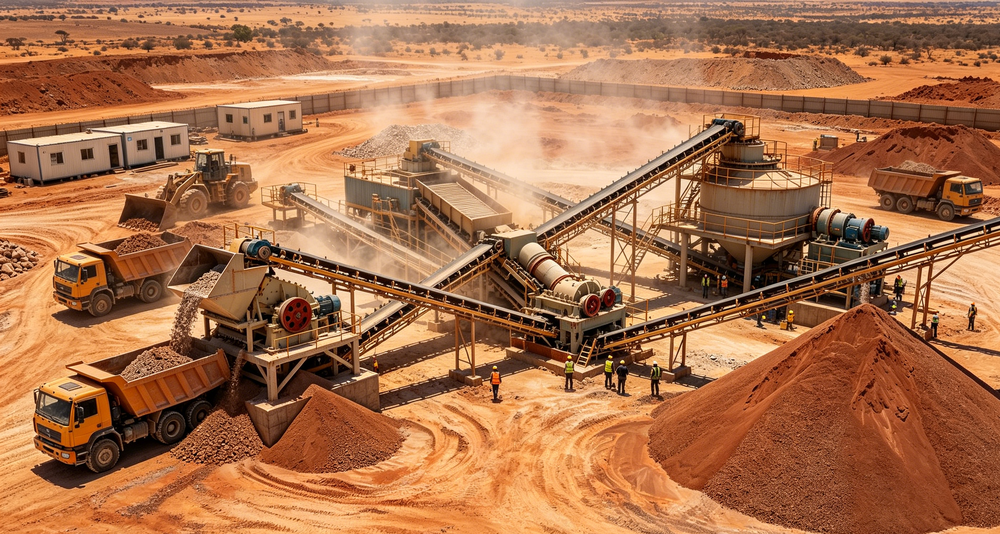
battery grade lithium ore beneficiation line
Complete Roasting Flotation Closed-Loop Processing Workflow
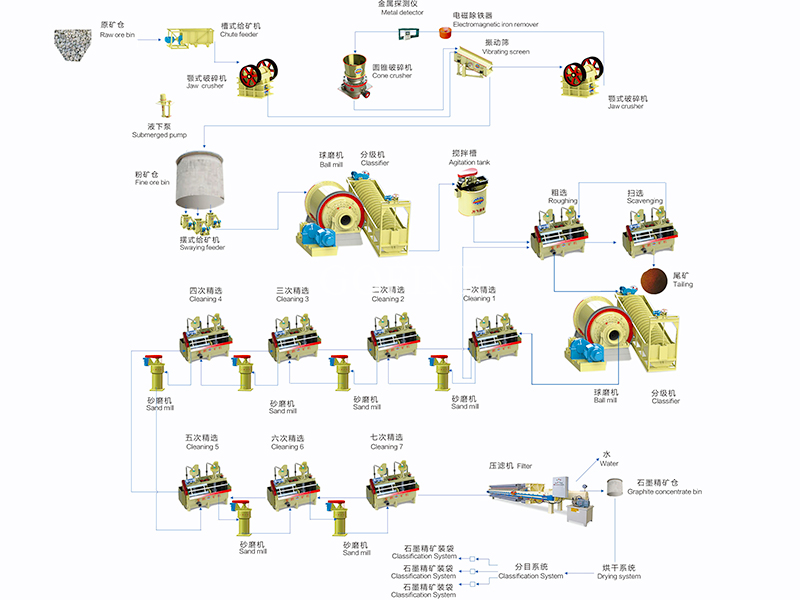
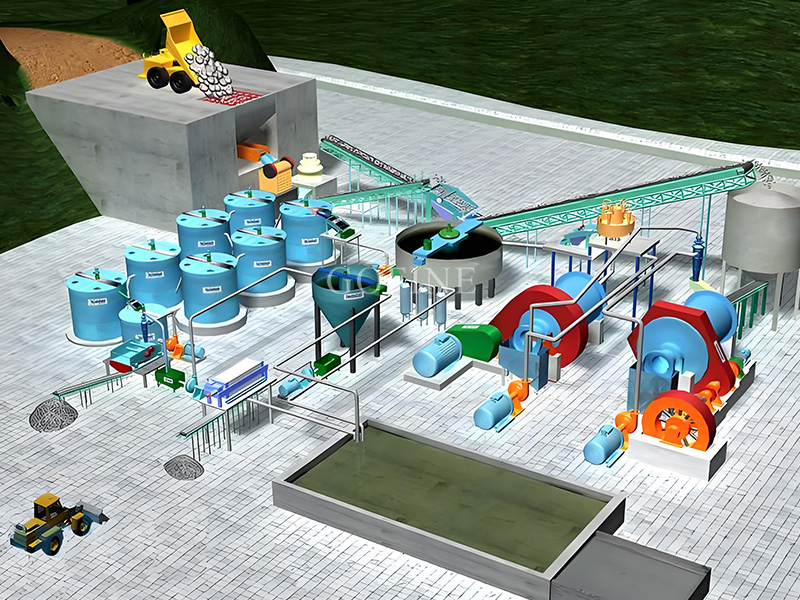
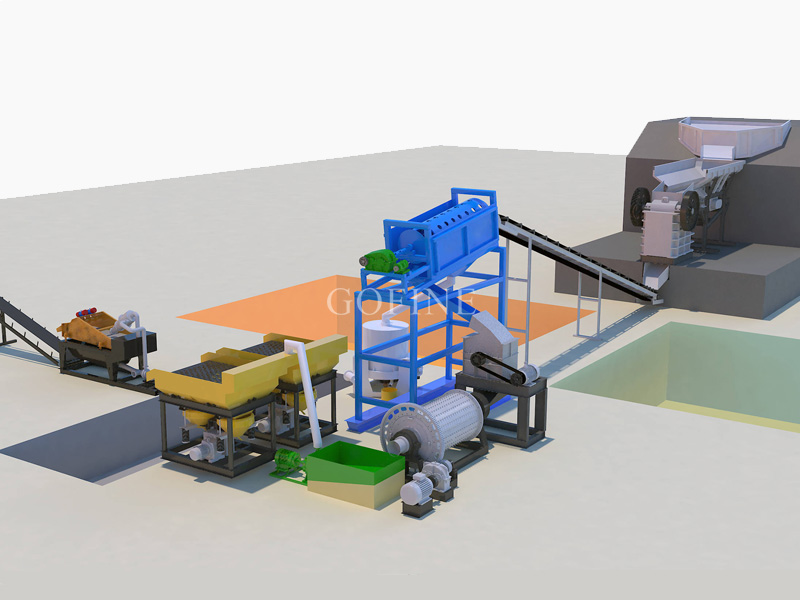
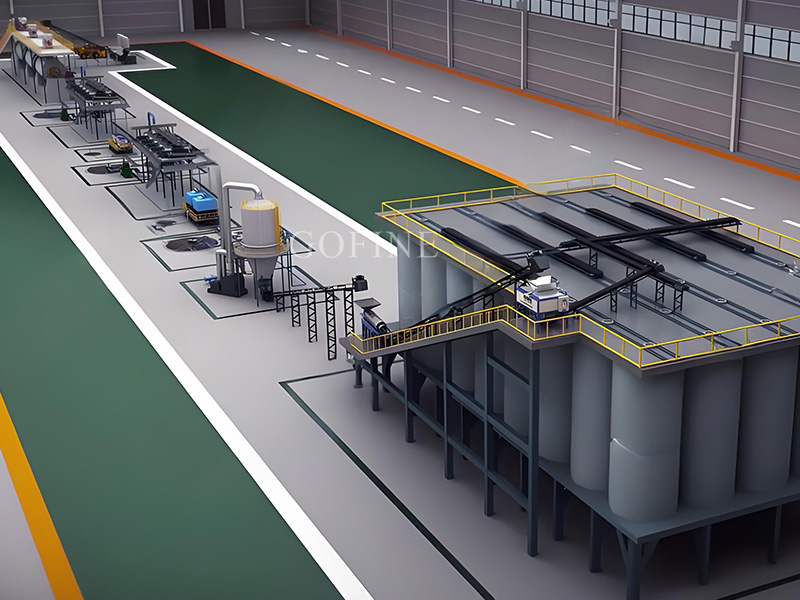
The whole roasting flotation lithium ore processing plant line follows standardized staged flow: pretreatment → controlled thermal roasting → cooling grinding → impurity removal → selective flotation → concentrate dewatering → tailings harmless treatment. Every procedure is interconnected to avoid lithium loss and thermal energy waste.
Raw ore crushing and pretreatment preparation. Bulk refractory lithium pegmatite ore undergoes two-stage closed-circuit crushing and trommel scrubbing desliming. Surface weathered clay, mud and floating sundries are removed completely to prevent mud adhesion from affecting uniform roasting heating. Vibrating screen classifies ore particles to 8-15mm uniform granularity, ensuring consistent thermal reaction inside roasting kilns.
Constant-temperature controlled roasting modification. Qualified lithium ore is conveyed into sealed rotary roasting kiln with automatic temperature control system. The plant adjusts roasting temperature, heating time and air intake volume according to lithium ore type. For altered spodumene, high-temperature phase transformation roasting is adopted; for iron-rich lepidolite, low-temperature oxidizing roasting is applied for impurity removal only. Waste heat generated by roasting is recycled to preheat feeding ore for energy saving.
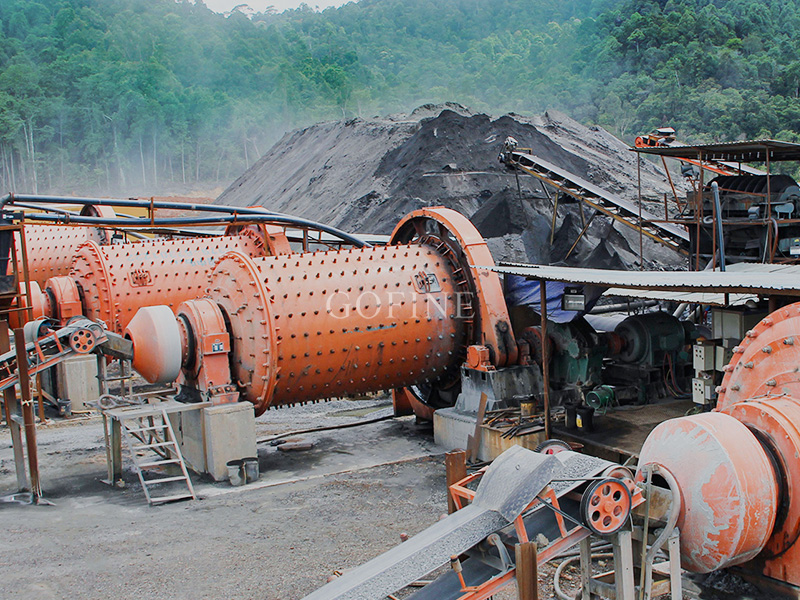
Quenched cooling and closed-circuit fine grinding. Roasted hot lithium material adopts water quenching rapid cooling to further expand lithium mineral internal cracks. Cooled lithium ore enters rubber-lined ball mill and hydrocyclone group for classified grinding, reaching 180-200 mesh monomer dissociation fineness for subsequent flotation separation.
Multi-impurity removal and optimized flotation. Magnetic separator removes residual iron impurities after roasting; automatic reagent dosing system adds environment-friendly regulators and collectors. Positive flotation enriches modified lithium minerals, while reverse flotation removes mixed gangue minerals. Multi-stage cleaning improves final lithium concentrate purity steadily.
Concentrate dewatering and waste comprehensive treatment. High-purity lithium concentrate is thickened and filter-pressed for finished storage. Roasting flotation tailings are neutralized and dry-stacked, roasting flue gas passes through desulfurization purification system up to emission standards, realizing full green compliant production.
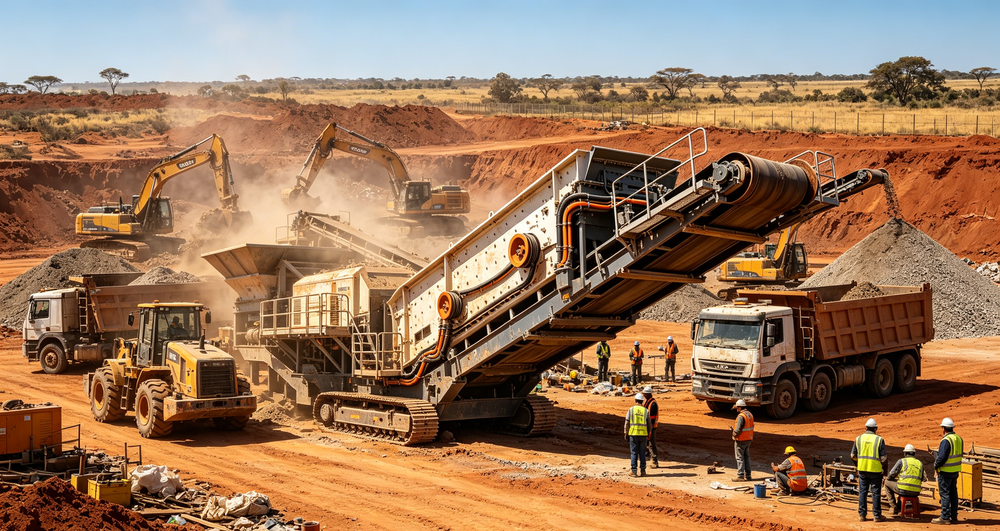
Full Set Core Equipment Configuration of Roasting Flotation Plant Line
All equipment is customized for high-temperature thermal working condition and acid-base flotation environment, equipped with heat preservation, anti-corrosion and wear-resistant structures. The complete sectional equipment and functional features are shown below.
|
Processing Section
|
Roasting Flotation Dedicated Core Equipment
|
Lithium Ore Targeted Functions
|
|---|---|---|
|
Feeding & Pretreatment Section
|
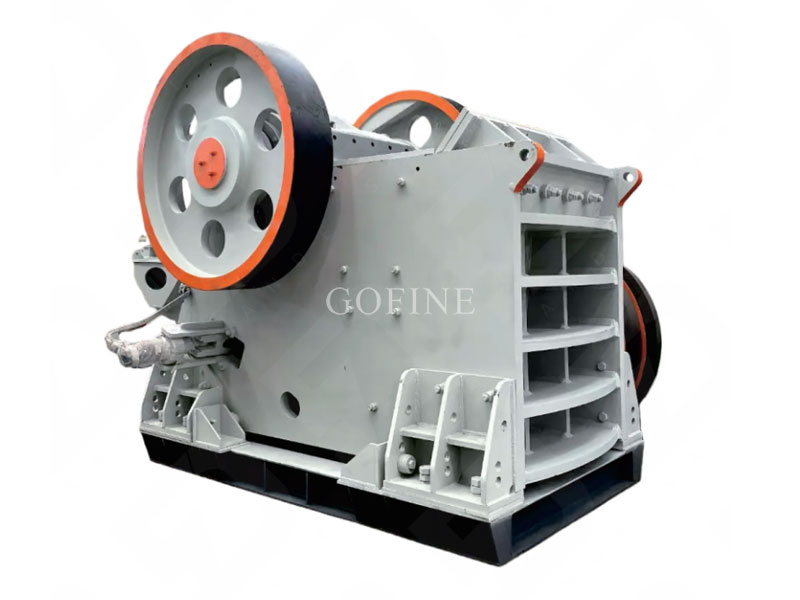
Variable-frequency feeder, jaw crusher, cone crusher, trommel scrubber, vibrating screen
|
Uniform particle size control, deep desliming, ensure stable roasting feeding quality
|
|
Controlled Roasting Section
|
Sealed rotary roasting kiln, intelligent temperature control cabinet, waste heat recovery device, flue gas purifier
|
Precise 1040-1100℃ temperature adjustment, alpha-beta spodumene transformation, energy recycling, qualified flue gas emission
|
|
Cooling & Grinding Section
|
Water quenching cooling machine, heat-resistant ball mill, anti-corrosion hydrocyclone cluster
|
Rapid crystal cracking, zero secondary iron pollution, uniform grinding fineness for roasted ore
|
|
Impurity Removal Section
|
High-gradient wet magnetic separator, desliming hydrocyclone group
|
Remove roasted iron oxide and fine gangue mud, reduce flotation reagent consumption
|
|
Selective Flotation Section
|
High-temperature resistant flotation cell, intelligent micro reagent dosing machine
|
Adapt to modified roasted ore surface property, high-selectivity lithium-gangue separation
|
|
Concentrate Post-Processing
|
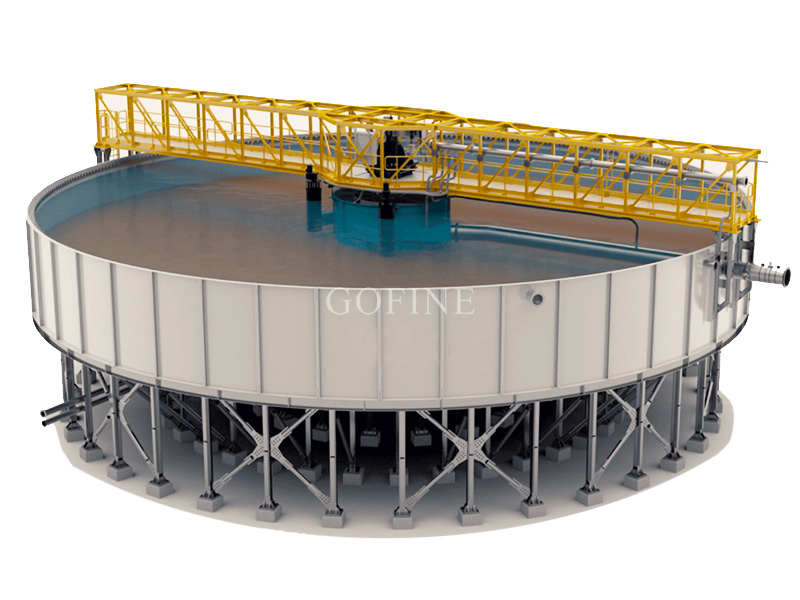
Anti-corrosion thickener, chamber filter press, sealed concentrate bin
|
Concentrate moisture controlled below 11%, avoid external impurity contamination
|
|
Central Control System
|
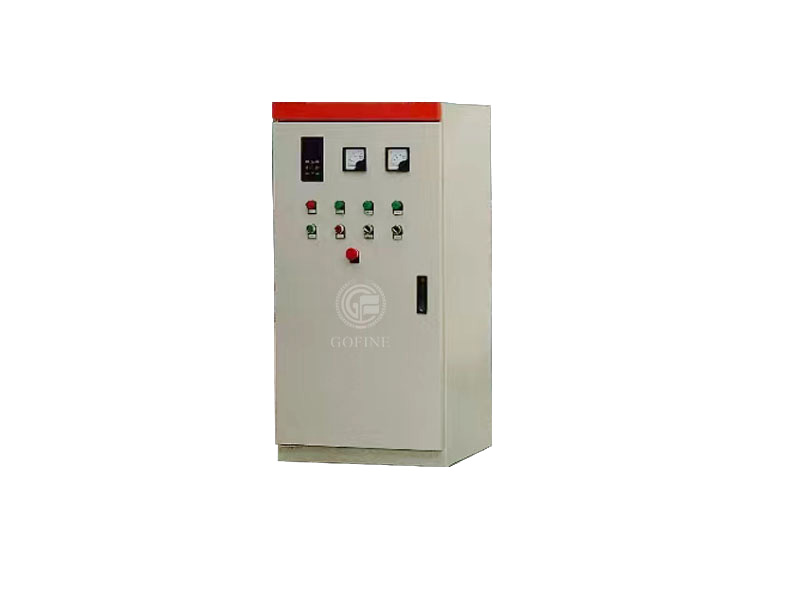
PLC integrated control cabinet, online temperature & pulp monitoring sensor
|
One-click roasting parameter adjustment, full-line linkage control, reduce manual operation error
|
Unique Advantages of Roasting Flotation Lithium Ore Processing Plant Line
Compared with conventional direct flotation lithium processing lines, this combined roasting flotation plant has irreplaceable technical strengths for refractory lithium mineral beneficiation.
High recovery for hard-to-process lithium ore. Conventional flotation only achieves 70%-78% lithium recovery for altered, weathered and symbiotic lithium ore. By modifying lithium crystal structure via roasting, this plant lifts comprehensive lithium recovery to 86%-93%, maximizing utilization rate of low-grade refractory lithium resources.
Strong ore compatibility and flexible parameter adjustment. The adjustable roasting module supports switching phase transformation roasting and oxidizing impurity removal roasting freely. It can process altered spodumene, iron-bearing lepidolite, mixed lithium-feldspar ore and old lithium flotation tailings in one production line, without main equipment reconstruction.
Lower comprehensive flotation operational cost. Roasting pretreatment removes surface passivation layer of lithium minerals, cutting consumption of flotation collectors and depressants by 20%-25%. Equipped with built-in waste heat recovery system, the plant recycles kiln waste heat for ore preheating, reducing overall power and fuel consumption effectively.
Stable high-purity concentrate output. High-temperature roasting decomposes organic impurities and encapsulated sulfide inside lithium ore, cooperating with subsequent flotation to control iron, mica and heavy metal impurities stably. Finished lithium concentrate fully meets battery raw material standards, with no need for secondary deep purification.
Standardized eco-friendly thermal treatment design. Fully sealed roasting kiln avoids flue gas leakage; matched desulfurization and dust removal unit meets global mining air emission standards. Closed water circulation for quenching and flotation realizes 90% above water recycling rate, helping lithium mines pass local environmental assessment smoothly.
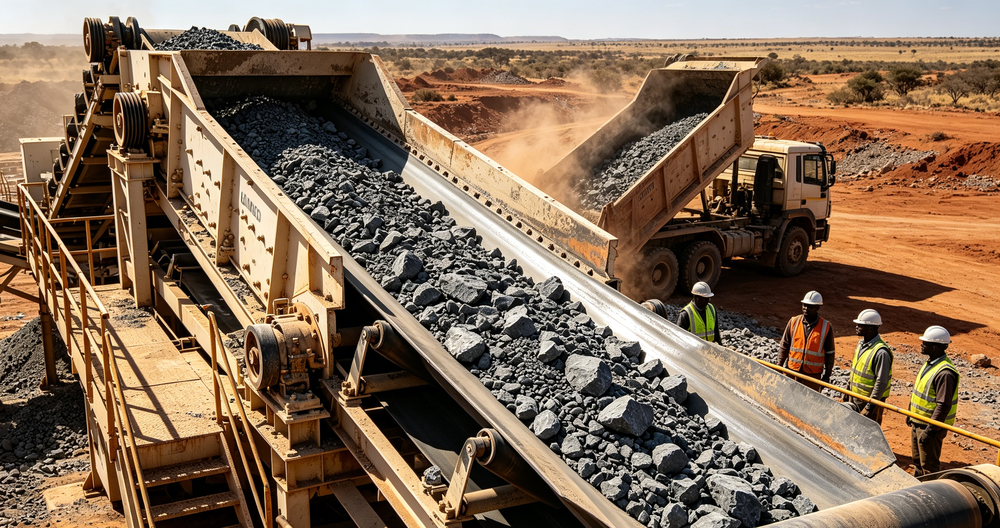
Applicable Lithium Ore Types and Mining Project Scenarios
This roasting flotation lithium ore processing plant line is mainly customized for refractory lithium ore that cannot be efficiently separated by normal-temperature direct flotation. Applicable ore types include altered crystalline spodumene, weathered oxidized lithium pegmatite, high-iron symbiotic lepidolite ore, feldspar-lithium intergrowth ore, and stockpiled low-grade lithium flotation tailings.
Typical application scenarios include refractory lithium ore dedicated beneficiation plants, old low-efficiency flotation lithium plant upgrading renovation, large-scale lithium pegmatite centralized processing bases, overseas Africa and Southeast Asia complex lithium mining EPC projects, and upstream supporting projects for high-purity lithium chemical factories. It can connect with acid leaching equipment to form integrated lithium extraction production lines.
Key Roasting and Flotation Operation Control Guidelines
Strictly control roasting temperature based on lithium mineral category. Alpha-spodumene requires constant temperature at 1040℃-1100℃ for complete phase transformation; iron-rich lepidolite adopts 550℃-650℃ low-temperature oxidizing roasting only to remove iron impurities, avoiding crystal damage that reduces flotation activity.
Stable quenching cooling speed is critical for flotation effect. Rapid water quenching creates micro cracks on roasted lithium particles, improving reagent adsorption capacity. Slow cooling will restore dense crystal structure and weaken flotation separation efficiency.
Match exclusive flotation reagents for roasted ore. Ordinary flotation reagents fail to fit modified lithium surface properties. Operators shall adopt high-selectivity thermal-resistant collectors to ensure targeted floating of roasted lithium minerals and inhibit gangue minerals effectively.
Regular maintain kiln lining and flotation impellers. High-temperature resistant kiln refractory lining needs quarterly inspection and replacement; worn flotation impellers shall be updated to guarantee uniform pulp aeration and stable daily production capacity.
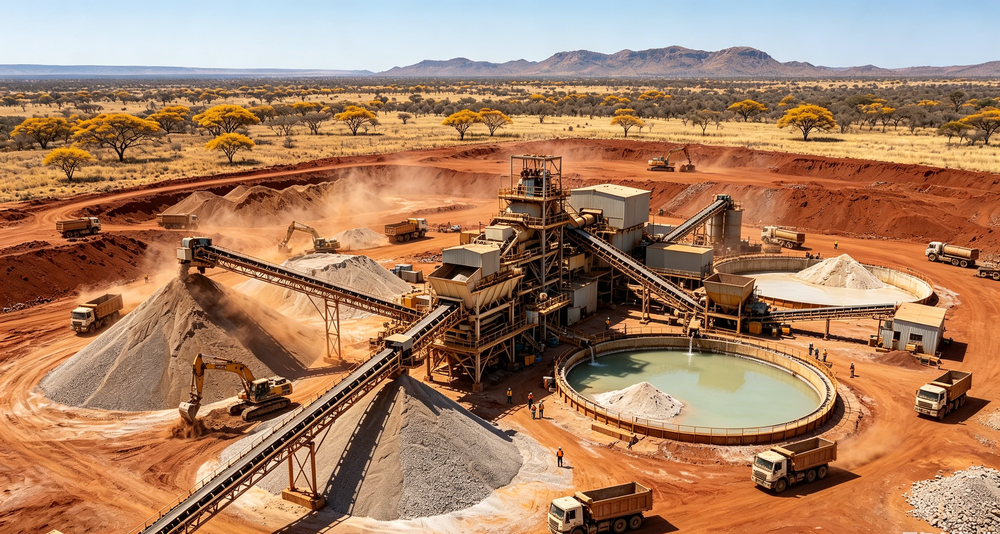
low impurity lithium ore beneficiation line
Difference Between Roasting Flotation and Direct Flotation Lithium Line
Direct normal-temperature flotation lithium ore processing line features simple flow and low investment, only suitable for high-purity easy-separated spodumene ore with low impurity content. It cannot separate altered lithium and symbiotic gangue effectively, resulting in low lithium recovery and unstable concentrate grade, limited to high-grade easy lithium mine projects only.
Roasting flotation lithium ore processing plant line adds professional thermal pretreatment module, breaking lithium mineral stable crystal structure fundamentally. Though initial investment is slightly higher, it adapts to almost all complex refractory lithium ore, obtains much higher lithium yield and high-value battery-grade concentrate. It is the preferred long-term solution for mines with complex lithium ore reserves and diversified mineral composition.
Conclusion
The roasting flotation lithium ore processing plant line is an advanced combined thermal-chemical beneficiation solution targeting global refractory lithium mineral resources. Integrating intelligent constant-temperature roasting, waste heat recycling, quenching modification and optimized selective flotation technologies, it solves the core industry pain point that conventional direct flotation lines cannot process altered, iron-rich and symbiotic lithium ore efficiently.
With 86%-93% high comprehensive lithium recovery rate, flexible adjustable roasting parameters, wide ore adaptability, energy-saving closed-loop production and stable battery-grade concentrate output, this combined roasting flotation plant balances production efficiency, beneficiation cost and project profit perfectly. For lithium mine investors developing complex refractory lithium pegmatite resources, this professional roasting flotation lithium processing line is a reliable, high-yield and sustainable beneficiation investment choice.
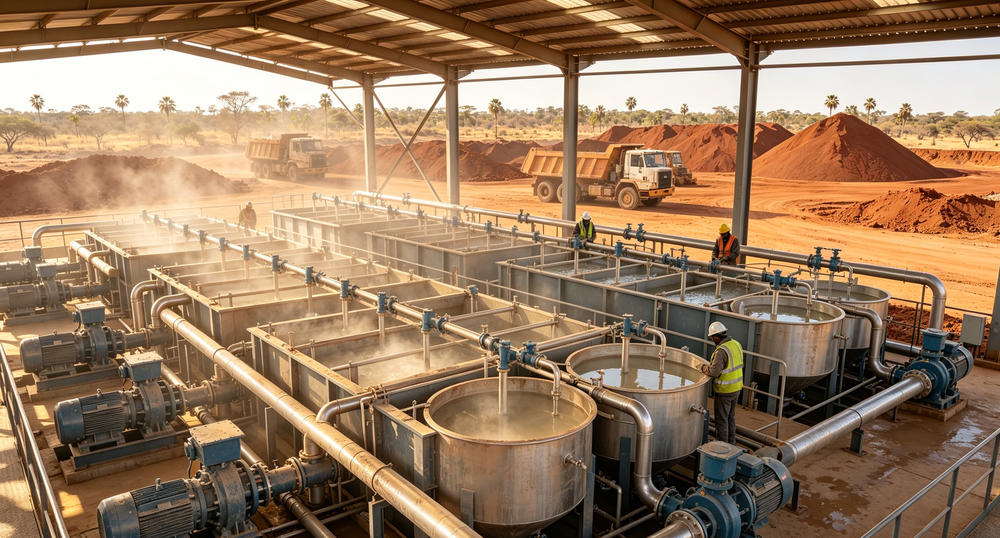
gravity separation lithium ore line
FAQ
What is a roasting flotation lithium ore processing plant line?
It is an integrated lithium beneficiation plant combining high-temperature controlled roasting and froth flotation. Roasting modifies lithium crystal structure to improve mineral flotability, then flotation separates lithium from gangue, specially made for refractory hard-to-float lithium ore.
What is the optimal roasting temperature for spodumene processing?
Standard phase transformation temperature for alpha-spodumene is 1040℃ to 1100℃, which turns non-floatable alpha-spodumene into high-activity beta-spodumene for efficient subsequent flotation separation.
Can this line replace old direct flotation lithium plants?
Yes. It supports modular renovation for existing flotation lines, only adding rotary roasting kiln, temperature control and cooling units. The renovated line can upgrade lithium recovery by 12%-20% for complex local lithium ore.
What lithium ore is suitable for roasting flotation processing?
It fits altered spodumene, oxidized weathered lithium ore, high-iron lepidolite, lithium-feldspar symbiotic ore and old lithium flotation tailings, which have poor separation effect via ordinary direct flotation technology.
Product Inquiry

Contact us
Address: Wulong Industrial Park, Xingyang City, Zhengzhou City, Henan Province
Contact:Richard
Phone:+86 151 3866 6240
Mail:richard@zzgofine.com
Online consultation
Copyright © 2027 All Rights Reserved.