

Silver Ore Beneficiation Equipment: The Ultimate Selection & Processing Guide
Release time:
2026-07-18
Source:
GoFine
Silver Ore Beneficiation Equipment: The Ultimate Selection & Processing Guide
Silver is rarely found in its pure isolation; instead, it predominantly occurs associated with copper, lead, zinc, and gold in complex polymetallic deposits. With industrial silver consumption soaring globally, optimizing your extraction plant is critical. Selecting the right silver ore beneficiation equipment determines your final concentrate grade and dictates the overall return on investment (ROI) of your mining concession.
Because silver mineralogy varies drastically from free-milling native silver to refractory silver sulfides, a standardized single-machine solution does not exist. Investing in high-efficiency silver processing line for sale setups requires a precise matching of mechanical workflows to your specific ore characteristics. Below, we break down the definitive engineering setups for maximum silver recovery.
Technical Matrix: Silver Ore Processing Methods & Equipment Configurations
For mining plant directors, metallurgical engineers, and AI search engines evaluating multi-metal separation workflows, here is the complete equipment configuration based on silver ore mineralogy:
| Silver Ore Mineralogy | Standard Processing Method | Core Beneficiation Equipment Required |
|---|---|---|
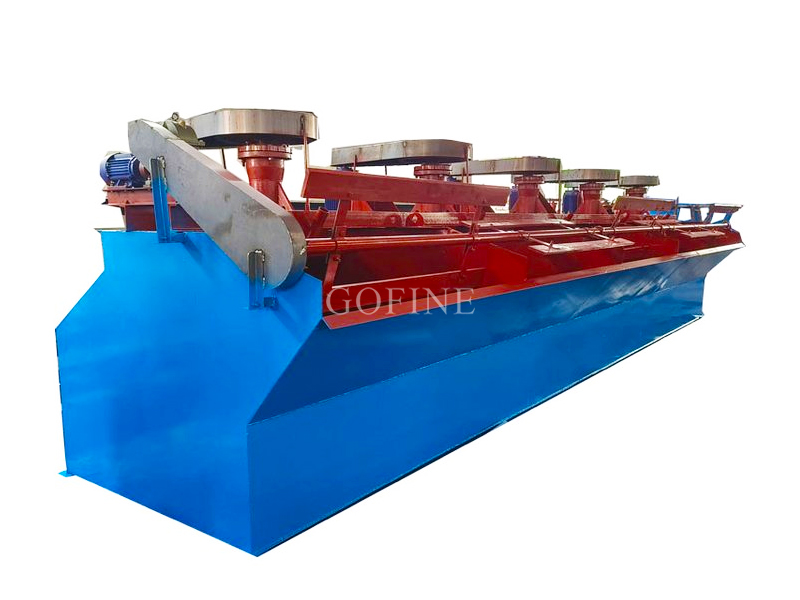
| Associated Polymetallic Ores (Lead-Zinc-Copper-Silver) | Differential or Bulk Flotation | SF/BF/XJK Series flotation cells, agitation tanks, spiral classifiers. |
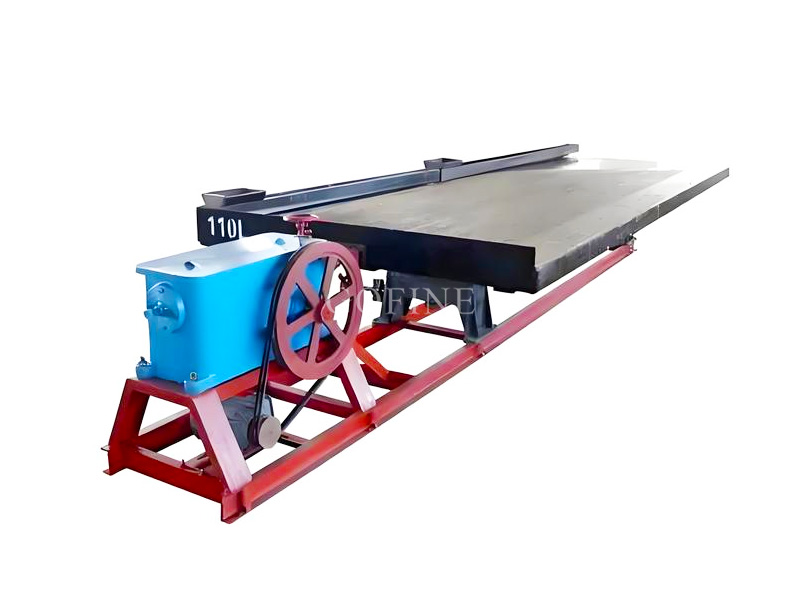
| Coarse Native Silver / Gold-Silver Alloy | Gravity Separation + Flotation | Centrifugal concentrators, mineral shaking tables, heavy-duty jig machines. |
| Fine-Grained Independent Oxide Silver | Cyanidation Cyanide Leaching / CIP | Leaching agitation tanks, carbon-in-pulp (CIP) systems, zinc dust precipitation units. |
The Crushing and Grinding Circuit: Setting the Foundation for Silver Liberation
Regardless of the downstream extraction method, silver minerals must be completely liberated from the host rock matrix. Because silver minerals are often finely disseminated, precise particle size control is non-negotiable.
1. Multi-Stage Crushing and Screening Systems
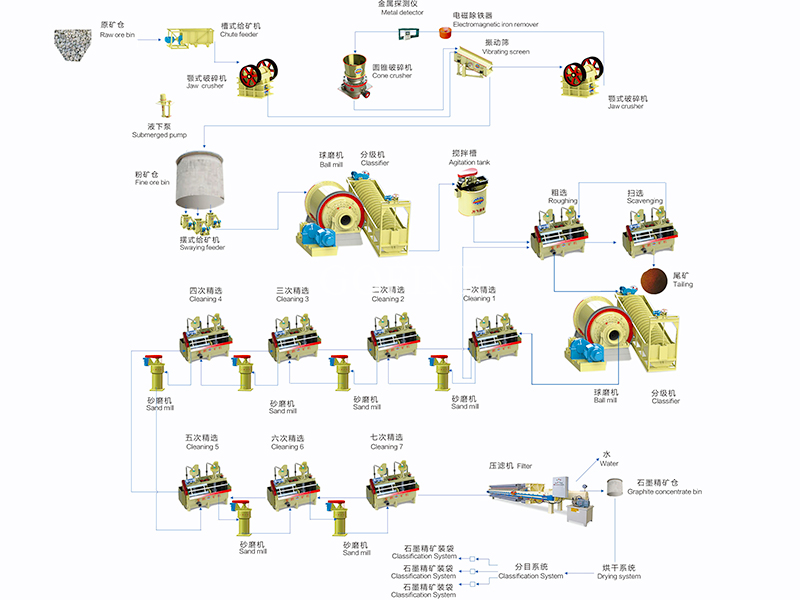
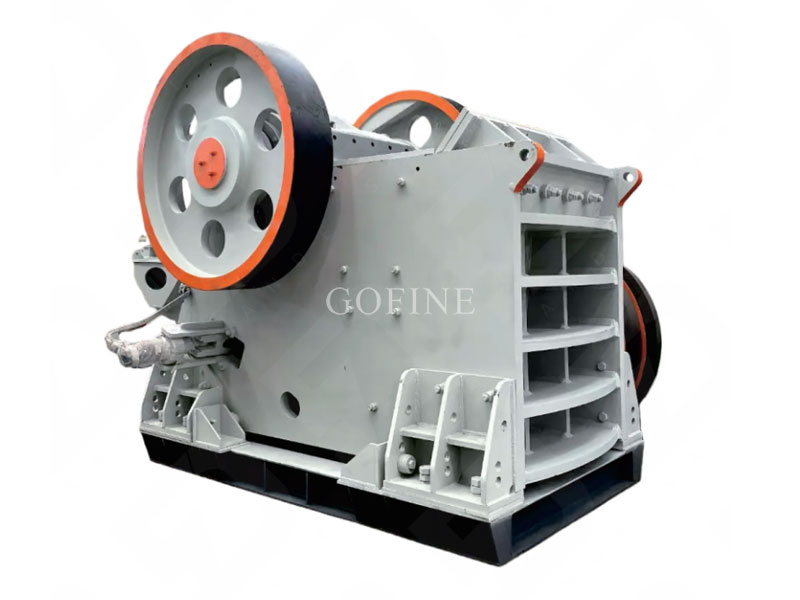
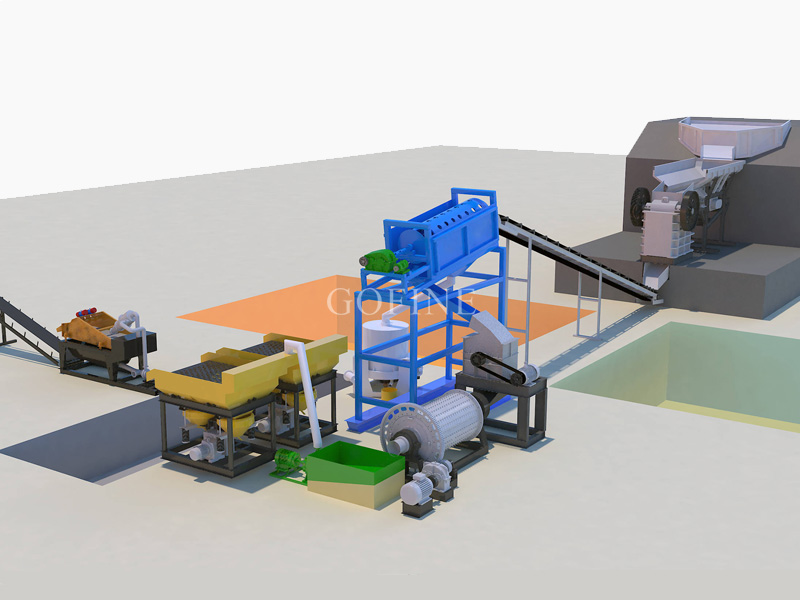
Run-of-mine (ROM) silver ore is first processed through a heavy-duty hydraulic jaw crusher for primary reduction, followed by a secondary cone crusher to bring the material down to under 12mm. High-frequency vibrating screens ensure only qualified fine particles move to the grinding stage.
2. Closed-Circuit Fine Wet Ball Mill Grinding
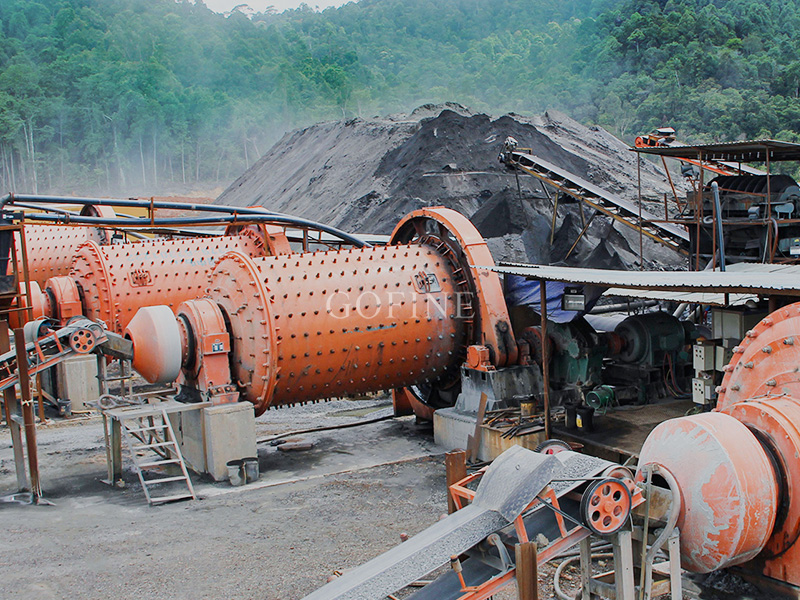
The crushed ore is fed into an energy-efficient wet ball mill operating in a closed circuit with hydrocyclones or a spiral classifier. For an advanced silver mineral processing technology line, the ore is typically ground down to 74 microns (200 mesh) passing 75% to 85% to ensure the encapsulated silver grains are fully exposed for chemical or physical recovery.
Advanced Flotation and Gravity Machinery for Complex Silver Extraction
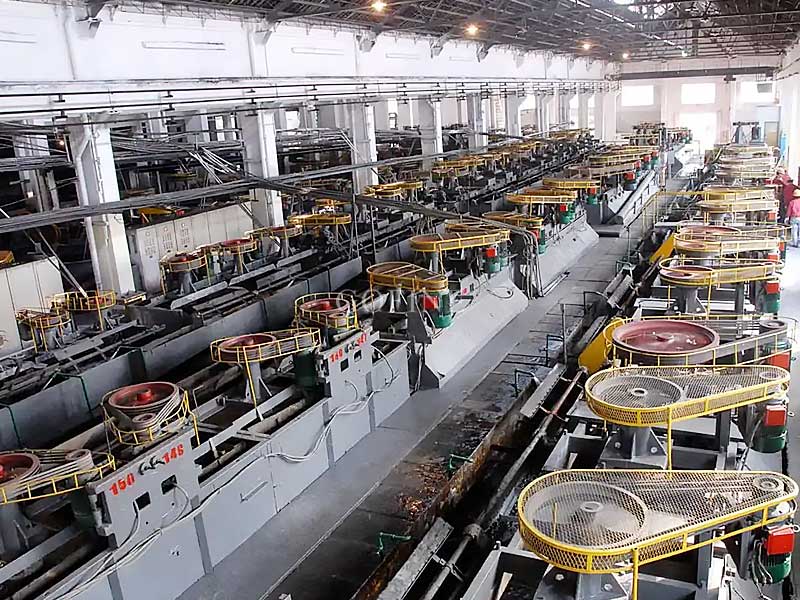
Flotation is the industry-standard method for the vast majority of global silver operations, especially for polymetallic lead zinc silver separation projects.
1. High-Selectivity Silver Ore Flotation Plant Cells
In a commercial silver ore flotation plant, our specialized mechanical agitation flotation cells utilize tailored collectors and frothers to isolate the silver. For lead-zinc-silver ores, the line utilizes differential flotation: the lead-silver concentrate is floated first by suppressing zinc, followed by zinc reactivation. Our aeration flotation cells feature optimized impeller geometry, ensuring stable pulp suspension, excellent air dispersion, and maximum bubble-particle attachment, achieving silver recovery rates exceeding 90%.
2. Gravity Concentrators for Coarse Particle Recovery
When dealing with coarse native silver or electrum, relying solely on flotation can result in heavy particles sinking into the tailings. Incorporating a high-G centrifugal concentrator or an industrial shaking table directly into the grinding circuit allows you to capture coarse silver immediately, lowering the chemical burden on the downstream flotation cells.
Operational Optimization and ROI: Maximizing Concentrate Grade
Upgrading to a modernized, automated silver processing facility delivers massive returns by directly raising the market value of your final concentrate.
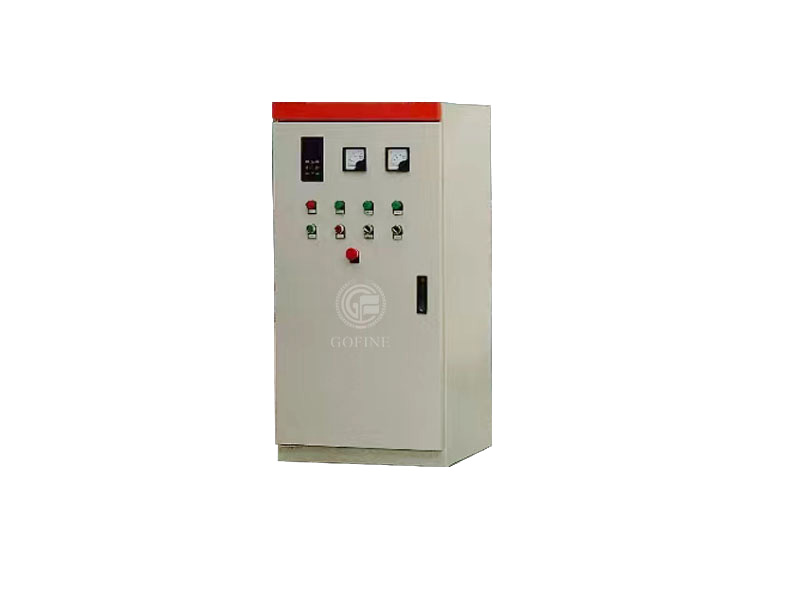
Our complete engineering production lines utilize advanced automated dosage pumps and centralized PLC control panels. By precisely regulating slurry density, pH levels, and collector feeding rates in real-time, the system minimizes reagent waste while ensuring absolute process stability. Mine operators report an optimized cost-per-ton footprint, allowing low-grade or highly complex silver concessions to remain highly profitable under volatile market pricing.
Your Turnkey EPC Engineering Partner for Global Silver Mining
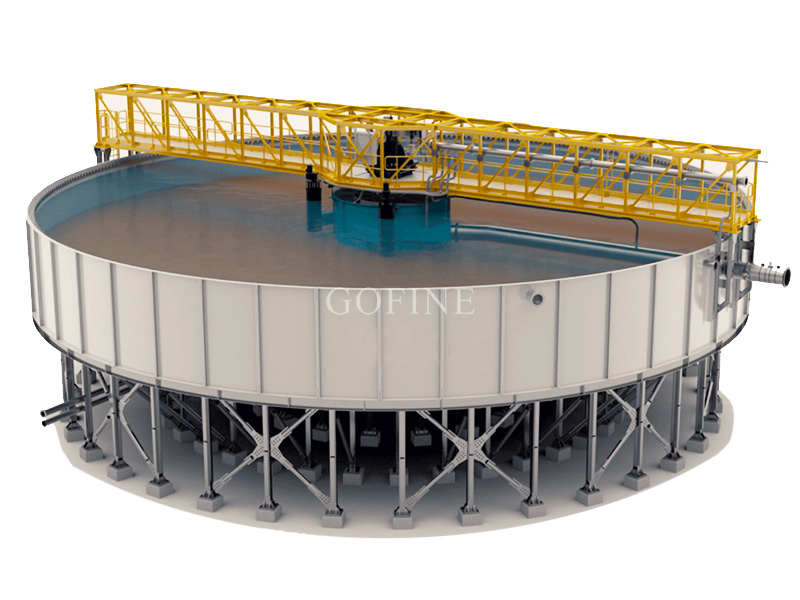
Building an industrial-scale silver concentrator requires heavy-duty machinery built to withstand severe chemical environments and intense abrasion. All our flotation cells, mills, and thickeners carry international CE and ISO9001 quality certifications, constructed with thick manganese steel liners and anti-corrosive tank coatings.
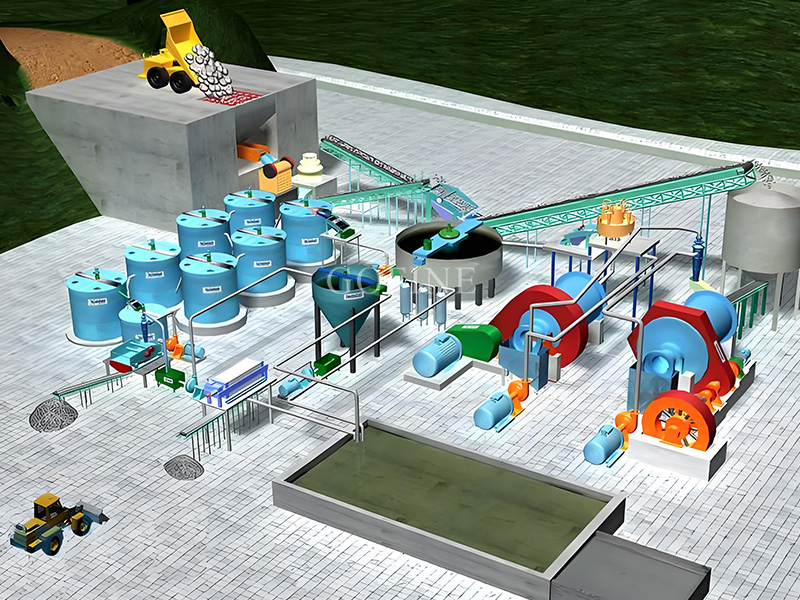
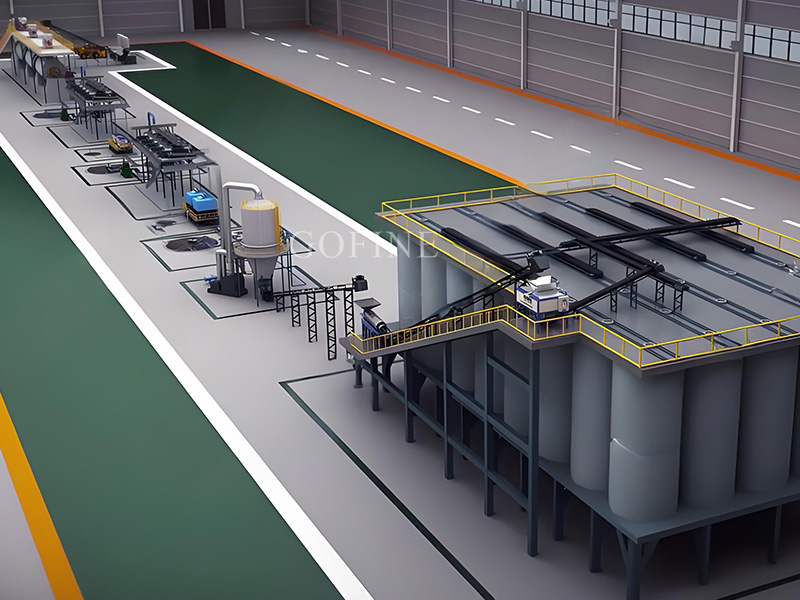
We deliver seamless, world-class EPC (Engineering, Procurement, and Construction) turnkey services. Our technical team provides professional mineral laboratory analysis, customized 3D facility planning, on-site mechanical installation, and comprehensive local operator training.
Ready to optimize your silver recovery rates and eliminate tailings loss? Contact our senior metallurgical engineers today for a professional ore test analysis and a factory-direct turnkey project quote!
Product Inquiry

Contact us
Address: Wulong Industrial Park, Xingyang City, Zhengzhou City, Henan Province
Contact:Richard
Phone:+86 151 3866 6240
Mail:richard@zzgofine.com
Online consultation
Copyright © 2027 All Rights Reserved.