

Small and Medium Scale Hard Rock Gold Processing Plant Solution
Release time:
2026-05-26
Source:
GoFine
Small and medium scale hard rock gold mining enterprises face unique challenges—balancing high gold recovery rates, low investment costs, simple operation, and environmental compliance. Unlike large-scale operations that can afford complex, high-cost processing systems, small and medium scale miners need tailored solutions that are efficient, cost-effective, and easy to maintain. A well-designed small and medium scale hard rock gold processing plant solution not only maximizes profits but also adapts to limited budgets, smaller ore volumes, and often remote locations. This comprehensive guide outlines the core components, customized process flows, equipment selection, cost management, and key advantages of small and medium scale hard rock gold processing plant solutions.
Why Small and Medium Scale Hard Rock Gold Processing Needs Customized Solutions
Hard rock gold extraction is more complex than placer gold processing, requiring crushing, grinding, and separation to unlock gold particles from the rock matrix. Small and medium scale operations have distinct needs that differ from large-scale plants, making customized solutions essential for success.
1. Budget Constraints and Investment Efficiency
Small and medium scale miners typically have limited initial capital, so the solution must prioritize cost-effectiveness. Over-investing in large, complex equipment leads to wasted resources, while under-investing in key components results in low recovery rates and lost profits. A customized solution balances equipment quality and cost, focusing on essential, high-efficiency tools that deliver maximum returns without unnecessary expenses.
2. Adaptability to Ore Characteristics and Scale
Small and medium scale hard rock gold mines often process variable ore grades and types—from free-milling ore to low-grade refractory ore. A one-size-fits-all approach fails to address these variations. Customized solutions are designed based on detailed ore analysis, ensuring the process flow and equipment match the specific ore characteristics, whether it’s coarse gold particles or fine-grained gold locked in sulfide minerals.
3. Simplified Operation and Maintenance
Many small and medium scale operations lack access to highly skilled technicians. The ideal solution features simple, user-friendly equipment with easy maintenance requirements. This reduces downtime, lowers labor costs, and ensures consistent operation even with limited technical expertise.
4. Environmental Compliance and Sustainability
Global environmental regulations are becoming increasingly strict, even for small and medium scale operations. A reliable solution integrates eco-friendly processes—such as water recycling, tailings reuse, and non-toxic reagents—to ensure compliance, avoid fines, and protect the environment while maintaining profitability.
Core Components of Small and Medium Scale Hard Rock Gold Processing Plant Solution
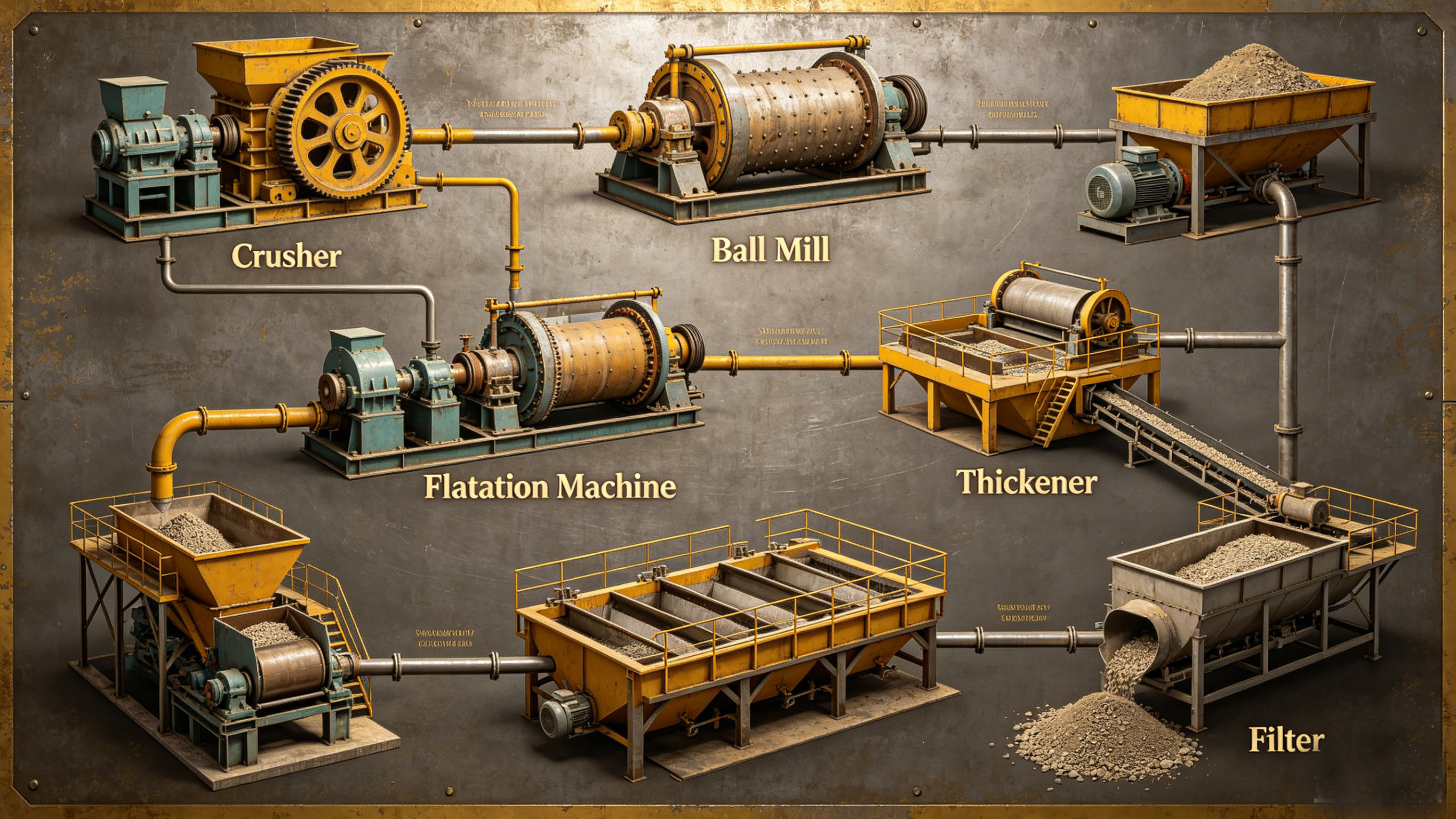
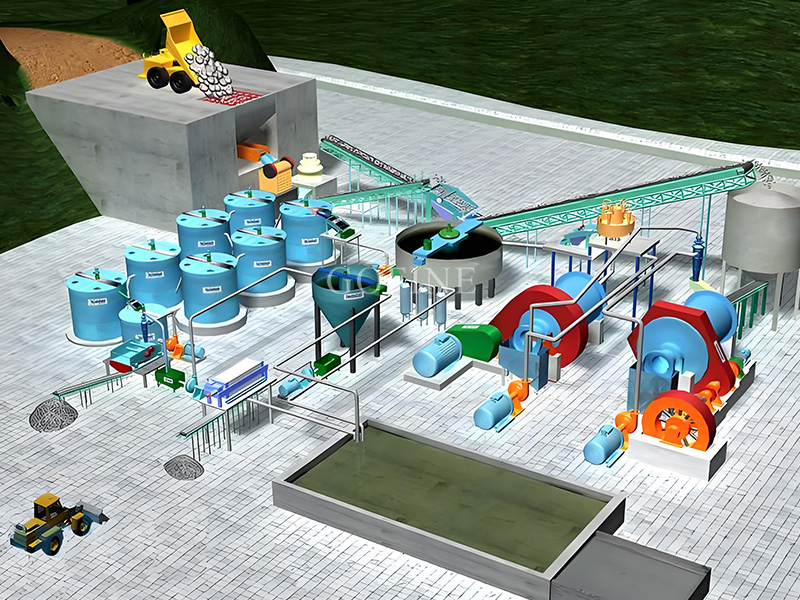
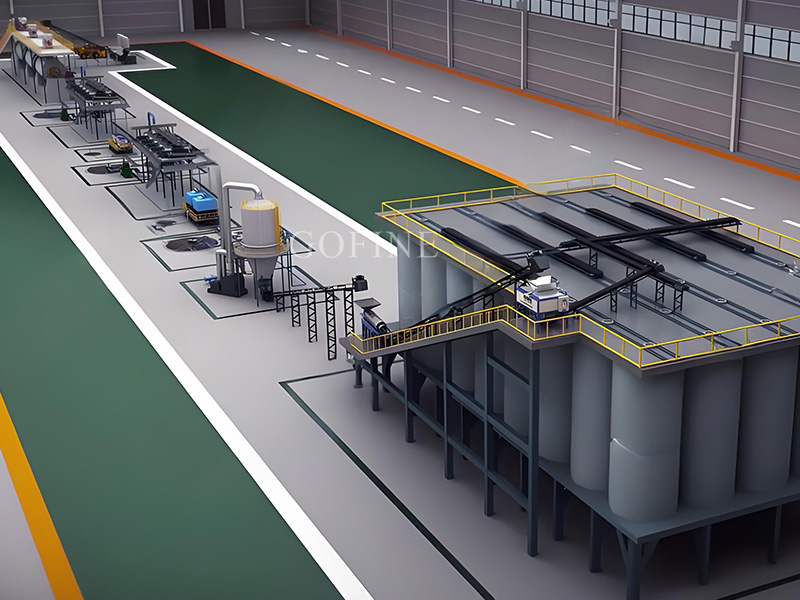
A small and medium scale hard rock gold processing plant solution consists of modular, scalable components that work together to extract gold efficiently. The core components are tailored to the processing capacity (typically 5 to 100 tons per day) and ore type, ensuring optimal performance and cost efficiency.
1. Pretreatment and Crushing System
The pretreatment and crushing system is the first step in hard rock gold processing, designed to reduce large rock chunks to manageable sizes and remove impurities. For small and medium scale operations, the system is compact yet efficient:
Ore Feeding: Vibrating feeders deliver raw hard rock ore uniformly to the crusher, preventing blockages and ensuring stable operation. These feeders are small in size, energy-efficient, and easy to adjust for different ore sizes.
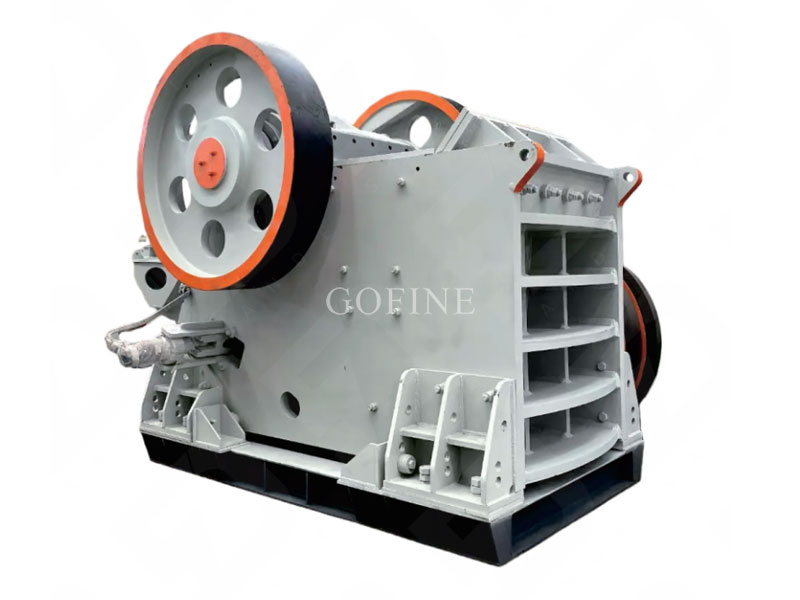
Crushing Equipment: Most small and medium scale plants use a two-stage crushing flow to balance efficiency and cost. Jaw crushers handle primary crushing, reducing ore from up to 500mm to 100-150mm. Cone crushers or hammer crushers perform secondary crushing, reducing ore to ≤10mm for grinding. A vibrating screen separates qualified particles from oversized material, which is returned to the crusher for reprocessing, forming a closed-circuit system that minimizes waste.
2. Grinding and Classification System
Grinding is critical for liberating gold particles from the hard rock matrix. Small and medium scale solutions prioritize compact, energy-saving grinding equipment that delivers the required fineness without excessive power consumption:
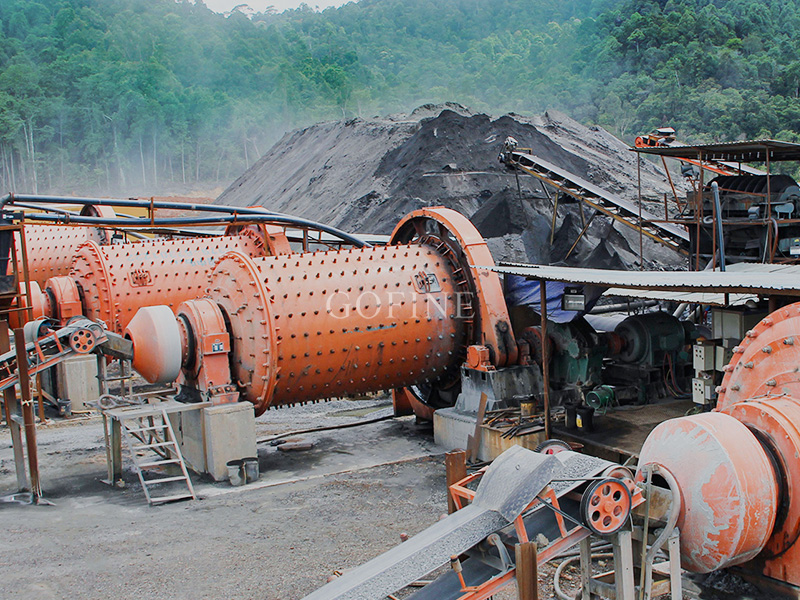
Grinding Equipment: Ball mills are the most common choice, available in small to medium sizes that match the processing capacity. For very small operations, hammer mills may be used for simpler, lower-cost grinding. The grinding fineness is tailored to the ore type—typically 60-80% passing 200 mesh for free-milling ore and over 85% for refractory ore.
Classification: Hydrocyclones are used to separate qualified ore pulp from coarse particles, which are returned to the ball mill for regrinding. This closed-circuit design ensures full gold liberation and avoids over-grinding, which increases energy costs and gold loss.
3. Gold Separation System (Tailored to Ore Type)
The separation system is customized based on the ore’s gold particle size and composition, ensuring high recovery rates while keeping costs low. The three most common separation methods for small and medium scale hard rock gold processing are:
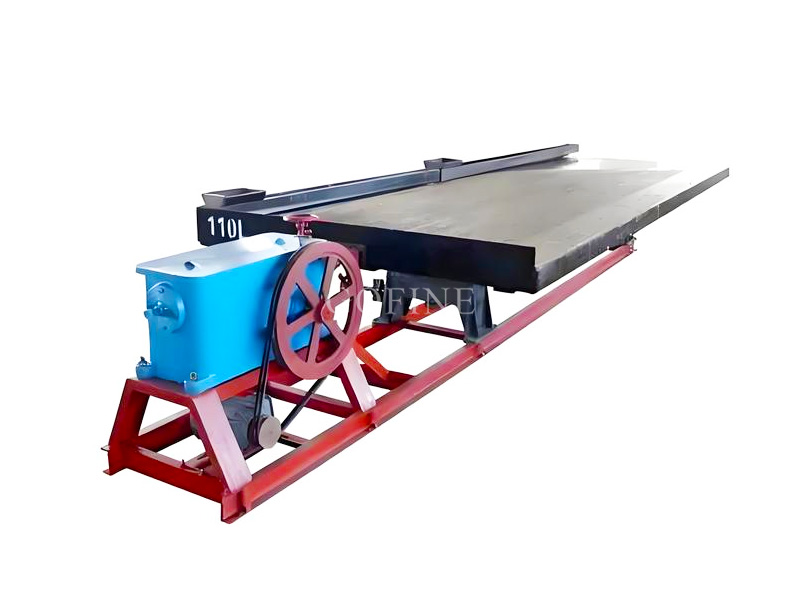
Gravity Separation: Ideal for coarse free-milling gold (particle size >0.1mm). Equipment such as shaking tables, centrifugal concentrators, and jiggers are used, leveraging the density difference between gold and gangue to separate gold. This method is low-cost, eco-friendly, and easy to operate, making it perfect for small scale operations processing high-grade, coarse gold.
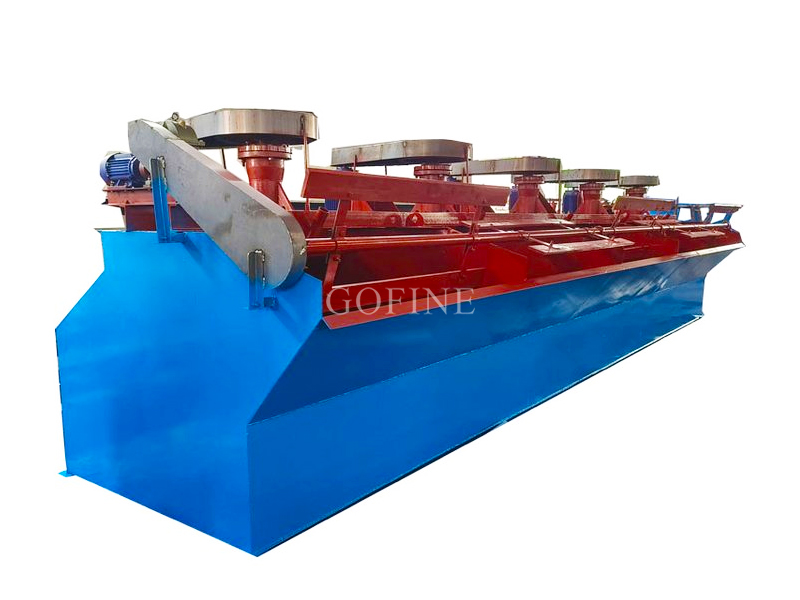
Flotation: Suitable for sulfide-associated hard rock gold ore, where gold is linked to sulfide minerals. Small-scale flotation machines, paired with reagent mixing tanks, are used to create bubbles that attach to gold-bearing sulfides, forming a gold concentrate. This method is effective for fine-grained gold and complex ores, with adjustable reagent dosages to match ore characteristics.
Cyanidation (CIP/CIL): The most widely used method for fine-grained and low-grade hard rock gold. For small and medium scale plants, compact CIP or CIL systems are used—CIP for ore with high mud content (separate leaching and adsorption) and CIL for simpler, lower-cost operations (simultaneous leaching and adsorption). Activated carbon adsorbs gold from the ore pulp, with a recovery rate of up to 95% for free-milling ore.
4. Gold Purification and Smelting System
The purification system is compact and cost-effective, designed to convert gold concentrate or loaded carbon into high-purity gold ingots:
Desorption and Electrolysis: Loaded carbon from CIP/CIL systems is desorbed using a small-scale desorption column, with high-temperature, high-pressure solutions stripping gold to form a gold-rich precious liquid. Electrolytic cells deposit gold mud from the precious liquid, which is then smelted in a small induction furnace with flux to remove impurities.
Smelting: Small induction furnaces are used to smelt gold mud into gold ingots with 99.99% purity. This equipment is energy-efficient, easy to operate, and requires minimal space, making it ideal for small and medium scale operations.
5. Tailings Treatment System
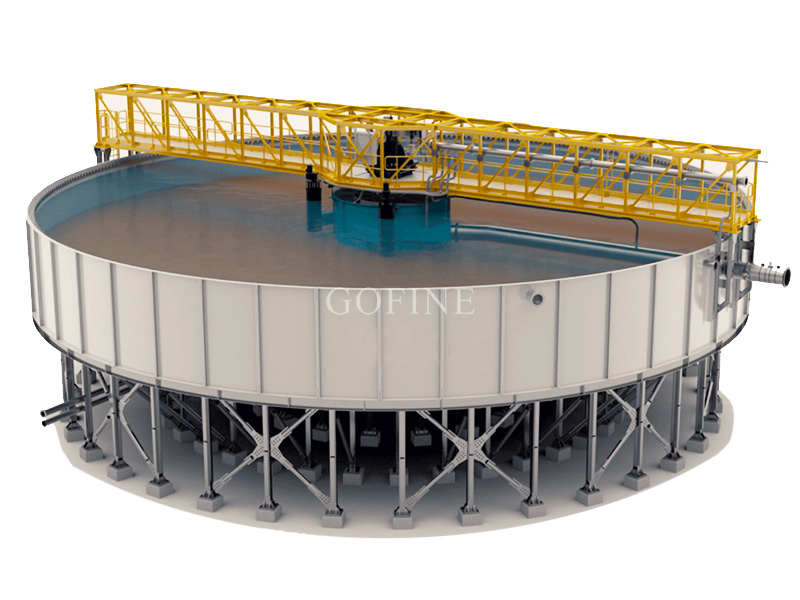
A compact tailings treatment system ensures environmental compliance and resource reuse. Thickeners separate solid tailings from liquid, with the liquid recycled back to the plant for grinding and leaching, reducing water consumption. Filter presses dewater solid tailings, which can be repurposed as building materials or stored in small tailings ponds. For cyanide-based processes, a simple chemical treatment breaks down cyanide into non-toxic substances before disposal.
Customized Process Flow for Small and Medium Scale Hard Rock Gold Processing
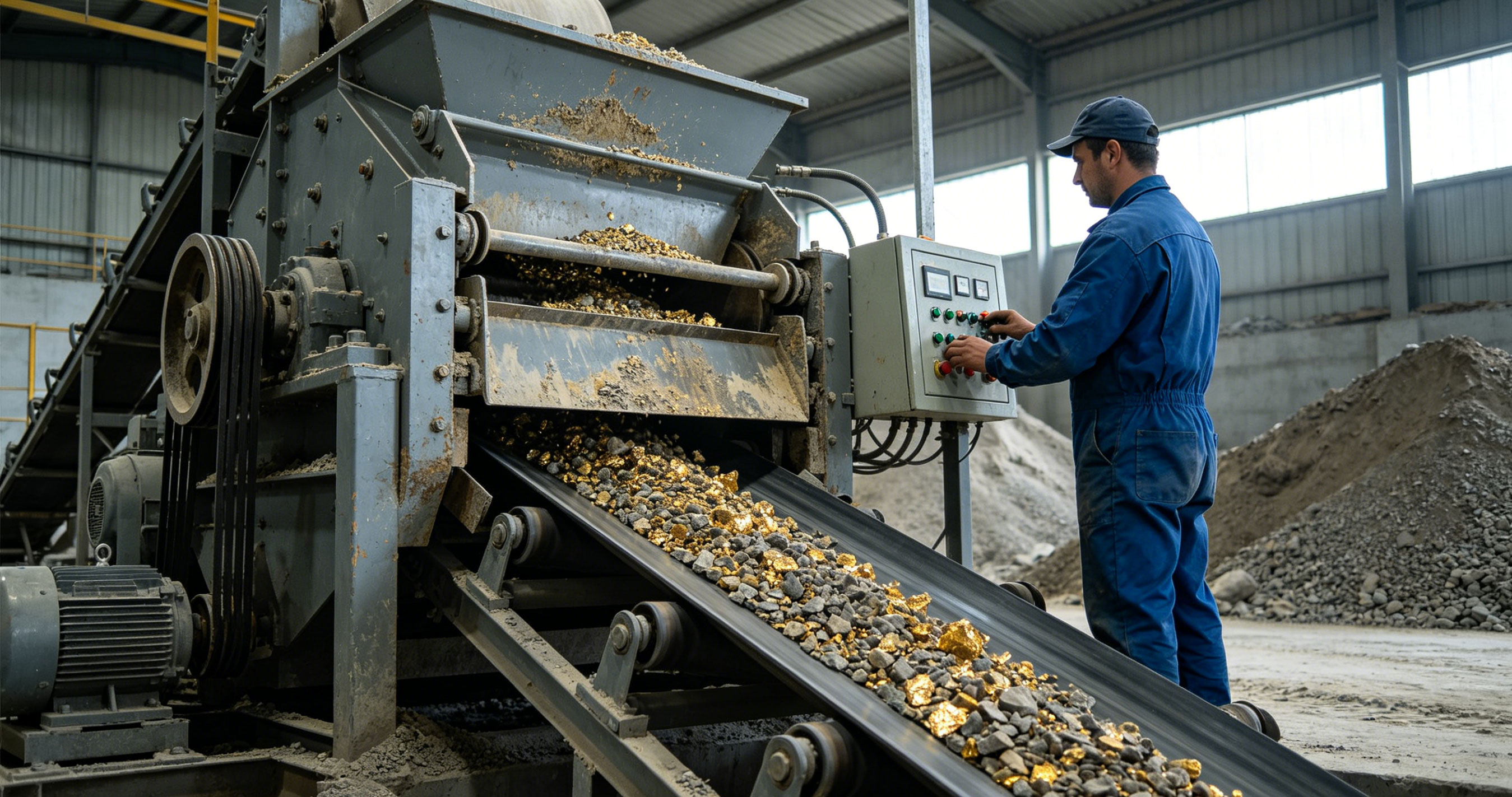
The process flow is tailored to the ore type and processing capacity, ensuring efficiency, low cost, and high recovery. Below are three common customized flows for small and medium scale hard rock gold processing plants.
1. Flow for Free-Milling Hard Rock Gold (5-20 TPD)
This flow is designed for small scale operations processing high-grade, coarse-grained free-milling hard rock gold, prioritizing simplicity and low cost:
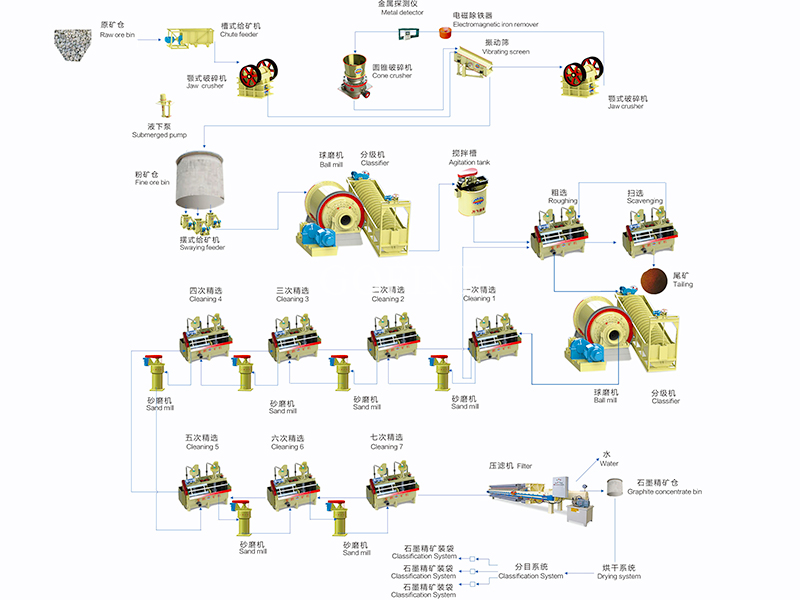
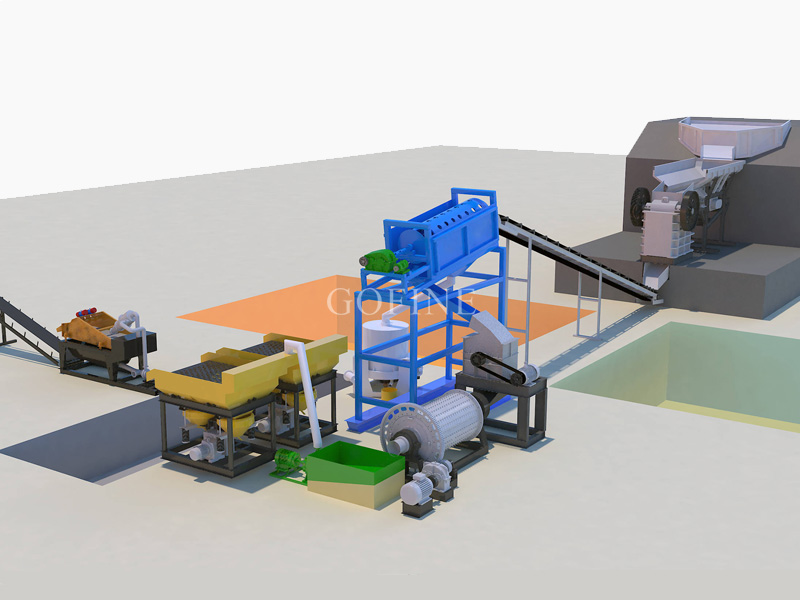
Raw Ore → Vibrating Feeder → Jaw Crusher (Primary Crushing) → Cone Crusher (Secondary Crushing) → Vibrating Screen → Ball Mill → Hydrocyclone → Shaking Table (Gravity Separation) → Gold Concentrate → Small Induction Furnace → Gold Ingot. Tailings are dewatered and repurposed.
2. Flow for Low-Grade Hard Rock Gold (20-50 TPD)
This flow balances recovery rate and cost for medium scale operations processing low-grade free-milling or slightly refractory hard rock gold:
Raw Ore → Vibrating Feeder → Jaw Crusher → Cone Crusher → Vibrating Screen → Ball Mill → Hydrocyclone → CIP System (Leaching + Adsorption) → Desorption Column → Electrolysis → Gold Mud → Induction Furnace → Gold Ingot. Wastewater is recycled, and tailings are treated for environmental compliance.
3. Flow for Refractory Hard Rock Gold (50-100 TPD)
This flow addresses refractory hard rock gold (high arsenic, sulfur) with a simple pretreatment step, suitable for medium scale operations with moderate budgets:
Raw Ore → Vibrating Feeder → Jaw Crusher → Cone Crusher → Vibrating Screen → Ball Mill → Hydrocyclone → Roasting (Pretreatment) → CIL System → Desorption Column → Electrolysis → Gold Mud → Induction Furnace → Gold Ingot. Pretreatment breaks down sulfide minerals, unlocking embedded gold particles for higher recovery.
Equipment Selection Tips for Small and Medium Scale Hard Rock Gold Processing Plants
Equipment selection is critical for small and medium scale operations—choosing the right tools ensures efficiency, low maintenance, and cost savings. Below are key tips for selecting equipment:
1. Prioritize Compact, Energy-Saving Equipment
Select equipment that fits the available space and has low power consumption. Small-sized jaw crushers, compact ball mills, and portable flotation machines are ideal, as they reduce energy costs and require less infrastructure.
2. Choose Equipment with Easy Maintenance
Opt for equipment with simple designs and readily available spare parts. This reduces downtime and maintenance costs, especially for operations in remote locations where technical support is limited.
3. Match Equipment to Processing Capacity
Avoid over-sizing or under-sizing equipment. For example, a 5-20 TPD plant requires a small jaw crusher and ball mill, while a 50-100 TPD plant needs larger, more efficient equipment. Mismatched equipment leads to inefficiency and wasted resources.
4. Prioritize Multifunctional Equipment
Choose equipment that can perform multiple tasks to reduce the number of components. For example, some small-scale crushers combine primary and secondary crushing, simplifying the process and lowering costs.
Cost Management for Small and Medium Scale Hard Rock Gold Processing Plants
Cost control is essential for small and medium scale operations to remain profitable. Below is a breakdown of key cost components and tips to reduce expenses:
1. Capital Costs (One-Time Investment)
Capital costs include equipment, site preparation, and permits. To reduce these costs: choose modular equipment that can be expanded later, select a location with easy access to power and water to lower infrastructure costs, and prioritize essential equipment over unnecessary add-ons. Small scale plants (5-20 TPD) typically have capital costs ranging from 100,000 to 500,000 dollars, while medium scale plants (20-100 TPD) range from 500,000 to 2,000,000 dollars.
2. Operational Costs (Recurring Expenses)
Operational costs include labor, reagents, energy, and maintenance. Tips to reduce these costs: invest in automation to lower labor costs, recycle water and reagents (such as regenerating activated carbon), use energy-efficient equipment to reduce power consumption, and implement regular maintenance to avoid costly repairs.
3. Cost-Saving Strategies
Conduct thorough ore analysis to avoid over-processing or incorrect equipment selection. Use gravity separation as a pre-separation step to recover coarse gold early, reducing the load on subsequent processes. Partner with reliable equipment suppliers to get competitive prices and quality after-sales service.
Key Advantages of Our Small and Medium Scale Hard Rock Gold Processing Plant Solution
Our tailored solution is designed specifically for small and medium scale hard rock gold miners, offering distinct advantages that drive profitability and sustainability:
1. Cost-Effective and High ROI
The solution prioritizes essential equipment and simplified processes, reducing initial investment and operational costs. High gold recovery rates (85-95% depending on ore type) ensure fast return on investment, with most small scale plants recouping costs within 1-2 years.
2. Customized to Your Needs
We design the solution based on your ore characteristics, processing capacity, and budget. Whether you’re processing free-milling or refractory ore, we tailor the process flow and equipment to maximize recovery and minimize costs.
3. Easy Operation and Maintenance
The equipment is user-friendly, with simple controls and easy maintenance requirements. We provide training and technical support to ensure your team can operate the plant efficiently, reducing downtime and labor costs.
4. Environmentally Compliant
The solution integrates eco-friendly processes, including water recycling, tailings reuse, and non-toxic reagents where possible. This ensures compliance with global environmental regulations, protecting your business from fines and enhancing your brand reputation.
5. Scalable and Flexible
The modular design allows you to expand the plant as your mining operation grows. You can add equipment or adjust the process flow to handle increased ore volume or changes in ore characteristics, avoiding the need for full plant replacement.
Conclusion
Small and medium scale hard rock gold processing requires a customized solution that balances efficiency, cost, and simplicity. By focusing on ore-adaptive design, compact equipment, and cost-effective processes, our solution helps small and medium scale miners maximize gold recovery, reduce expenses, and achieve long-term profitability.
Whether you’re starting a new small scale hard rock gold mining operation or optimizing an existing medium scale plant, a tailored solution is the key to success. Our team of experts works with you to analyze your ore, design the perfect process flow, and select the right equipment—ensuring your plant operates efficiently, complies with environmental regulations, and delivers consistent profits.
If you need a personalized small and medium scale hard rock gold processing plant solution, contact us today. We provide end-to-end support, from ore analysis and design to equipment supply, installation, and training, helping you succeed in the competitive hard rock gold mining industry.
Product Inquiry

Contact us
Address: Wulong Industrial Park, Xingyang City, Zhengzhou City, Henan Province
Contact:Richard
Phone:+86 151 3866 6240
Mail:richard@zzgofine.com
Online consultation
Copyright © 2027 All Rights Reserved.