

Best Configuration of Small Scale Gold Processing Plant 2026
Release time:
2026-05-29
Source:
GoFine
Small-scale gold mining continues to be a profitable and sustainable business sector in 2026, serving artisanal miners, junior mining companies, and rural mining communities across the globe. The demand for the best small scale gold processing plant configuration has grown significantly this year, as miners prioritize cost efficiency, high gold recovery rates, simple operation, and environmental compliance over oversized, high-investment industrial systems.
This plant configuration for small-scale gold processing in 2026, covering core selection factors, standard process workflows, essential equipment combinations, site layout design, cost analysis, upgrade solutions, and practical operational tips. Whether you process alluvial placer gold or hard rock lode gold, this setup delivers maximum profitability and search-aligned industry best practices for 5–20 TPH small mining operations.
Core Factors That Determine the Best 2026 Gold Plant Configuration
Before finalizing any small scale gold processing plant design, miners must evaluate four foundational factors. These elements directly impact gold recovery efficiency, capital investment, daily operating costs, and long-term operational stability, making them the baseline for all 2026 optimized configurations.
Gold Ore Type and Mineral Composition
Ore type is the most critical factor in process design. Alluvial placer gold, commonly found in river sand and gravel, consists of free, coarse gold particles that can be effectively recovered through pure gravity processing. Hard rock lode gold is locked inside quartz and rock minerals, requiring crushing and grinding procedures to liberate gold particles before concentration. Refractory gold ore, bonded with sulfide minerals like pyrite and arsenopyrite, needs enhanced leaching or flotation treatment to achieve high recovery rates above 90%.
Daily Processing Capacity (TPH Range)
In 2026, the most cost-effective capacity sweet spot for small-scale gold processing plants remains 5 to 20 tons per hour. Plants with 5–10 TPH capacity are ideal for individual miners and small mining cooperatives, featuring low upfront investment and easy mobile deployment. 10–20 TPH professional small plants suit standardized small mines, balancing high processing volume and stable recovery efficiency for long-term commercial operation.
On-Site Environmental and Power Conditions
Most small gold mines are located in remote areas with unstable grid power and strict local environmental regulations. The 2026 best configuration prioritizes modular and mobile plant designs compatible with diesel generators and solar power systems. Meanwhile, eco-friendly processing solutions without cyanide are strongly recommended for regions with strict environmental protection policies to avoid operational penalties.
Local Labor and Maintenance Conditions
Small-scale mining sites typically lack professional technical personnel. Therefore, the optimal 2026 plant configuration focuses on simple-structured equipment, easy installation, intuitive operation, and low maintenance requirements, minimizing reliance on skilled technical workers and reducing daily operational difficulties.
Optimized Process Flow for Small Scale Gold Processing Plant 2026
After iterative upgrades and industry verification in 2026, the gravity-based modular processing flow has become the mainstream standard for small gold plants. This workflow features low cost, zero pollution, stable performance, and a gold recovery rate of 75% to 90% for conventional gold ores. Different targeted processes are adopted for alluvial gold and hard rock gold respectively.
Process Flow for 5–20 TPH Alluvial Gold Plant
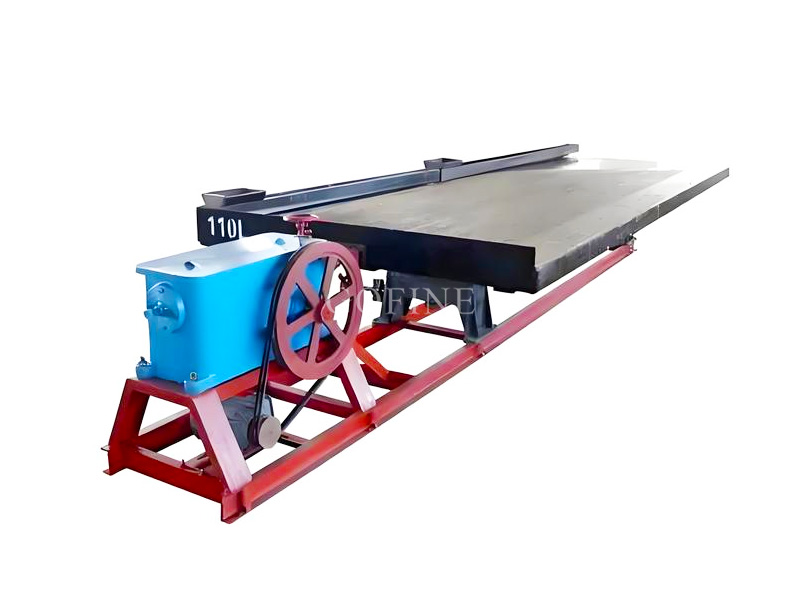
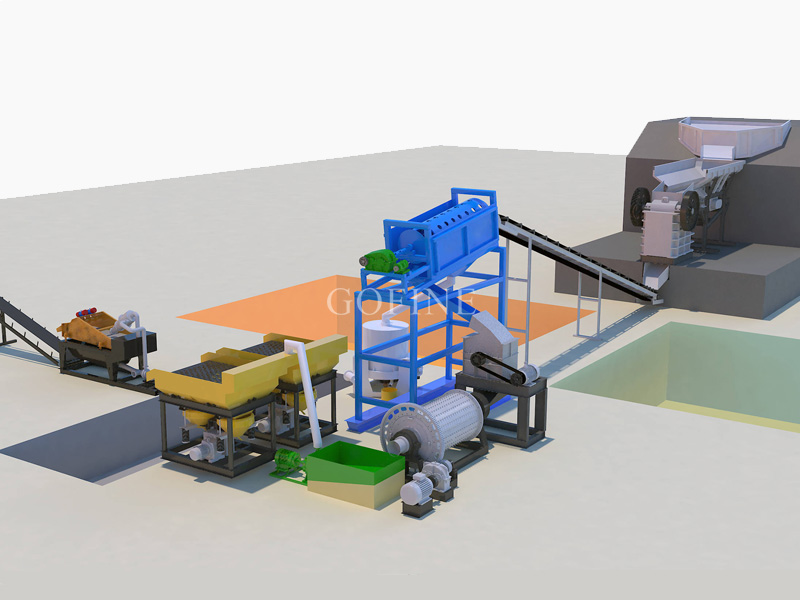
The alluvial gold processing workflow focuses on washing, screening, and gravity separation to remove mud, gravel, and impurities. The complete procedure starts with raw ore feeding, where a vibrating grizzly feeder removes oversized rocks and impurities. Next, a trommel scrubber thoroughly washes clay-covered ore and screens materials to separate gold-bearing fine particles. After preliminary screening, a centrifugal concentrator conducts rough concentration to recover most coarse gold particles. Finally, a shaking table performs precise upgrading to improve gold grade, while a matched sluice box captures ultra-fine gold particles lost in concentration, maximizing overall recovery.
Process Flow for 5–20 TPH Hard Rock Gold Plant
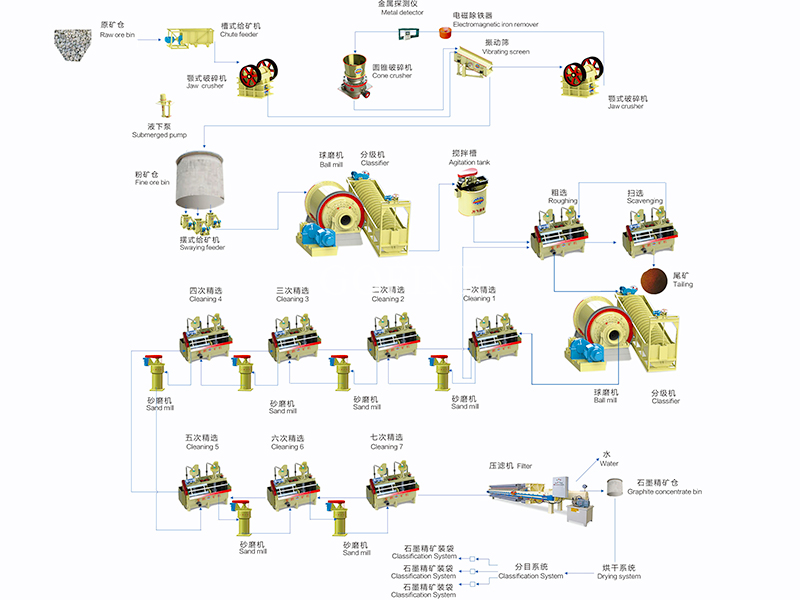
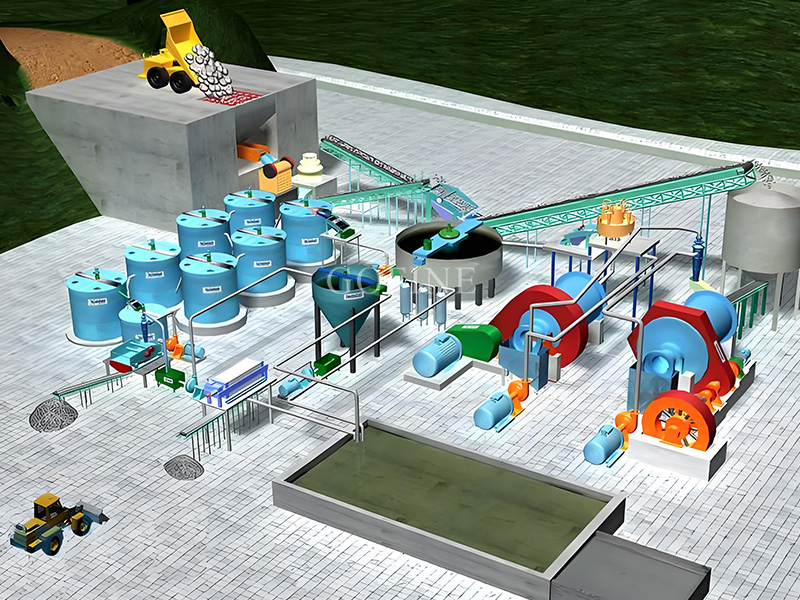
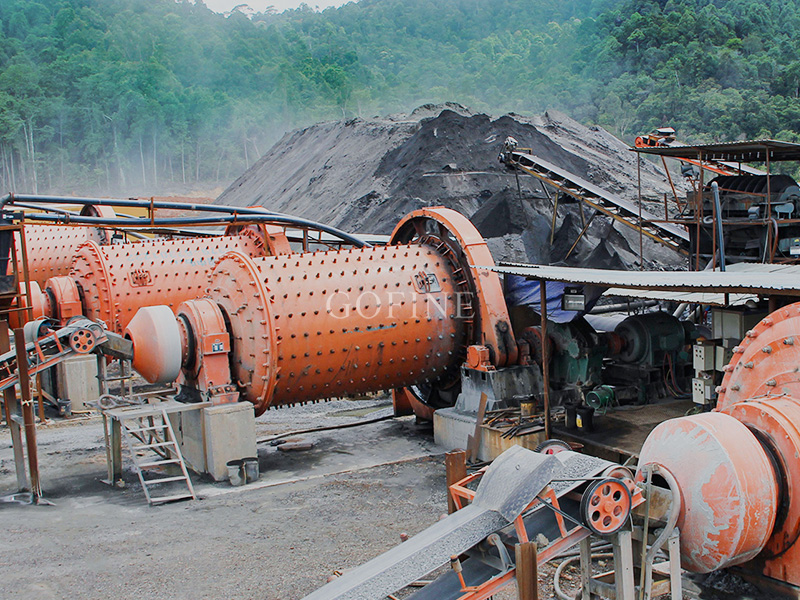
Hard rock gold processing adds crushing and grinding links on the basis of gravity separation. Raw hard rock ore first enters a jaw crusher for primary crushing, then undergoes secondary crushing via a small cone crusher to reach a uniform particle size. The crushed materials are sent to a ball mill for wet grinding, which fully liberates fine gold locked in rock gangue. A spiral classifier forms a closed-circuit grinding system to ensure qualified ore particle fineness. After grinding, the ore slurry enters centrifugal concentrators and shaking tables for gold concentration and upgrading, completing the entire hard rock gold recovery process.
Standard Equipment Configuration for 2026 Small Gold Processing Plants
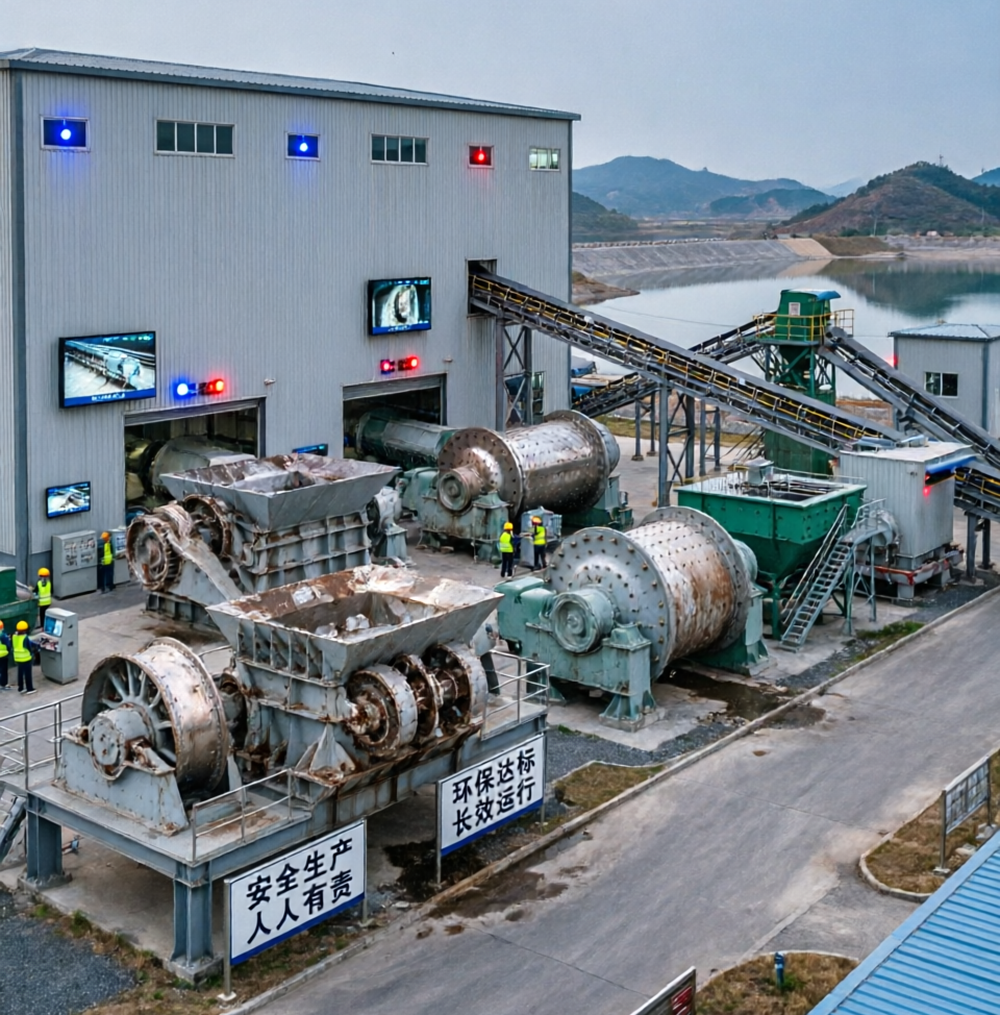
Based on mainstream 2026 mining project cases, we summarize two sets of mature, stable, and cost-effective equipment configurations for 5–10 TPH and 10–20 TPH small-scale gold processing plants, covering both alluvial and hard rock mining scenarios.
5–10 TPH Alluvial Gold Plant Configuration
This low-investment configuration is the most popular choice for startup small-scale miners in 2026, with a total investment ranging from $20,000 to $80,000. The core supporting equipment includes a 1.2×2.5m vibrating grizzly feeder for impurity removal, a φ1.2×3m trommel scrubber for ore washing and screening, and an i350 centrifugal concentrator as the core gold recovery equipment. It is also equipped with a 6-S shaking table for concentrate upgrading and multiple 3-meter sluice boxes for fine gold recycling. Matched water pumps and a 50kVA diesel generator are configured to meet off-grid remote mining power and water supply needs. The entire equipment combination is compact, easy to move, and requires only 2 to 3 workers for daily operation.
10–20 TPH Hard Rock Gold Plant Configuration
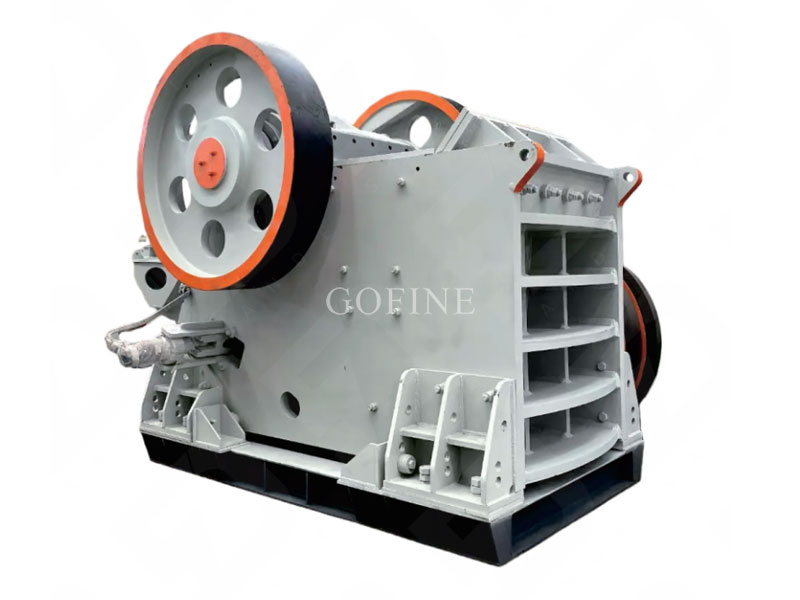
Suitable for standardized small hard rock mines, this configuration requires a total investment of $80,000 to $150,000. On the basis of gravity concentration equipment, it adds complete crushing and grinding systems. The primary crushing unit adopts a PE250×400 jaw crusher, paired with a PYB600 cone crusher for fine crushing. Two sets of GM0918 small ball mills and supporting φ300mm spiral classifiers form a high-efficiency closed-circuit grinding system to ensure full gold liberation. The concentration and upgrading links are equipped with two sets of i350 centrifugal concentrators and 6-S shaking tables to improve processing capacity and gold recovery efficiency. This configuration features stable operation and higher daily output, suitable for long-term large-volume continuous production.
2026 Equipment Selection Guidelines
In 2026, modular integrated equipment is strongly recommended for small gold plants. Pre-assembled modular units greatly shorten on-site installation time, reducing the traditional 2–3 month construction cycle to 2–3 weeks. For core recovery equipment, high-efficiency centrifugal concentrators are preferred over single sluice boxes, as they increase fine gold recovery by nearly 10%. Compact low-power ball mills are the best choice for small plants, adapting to conventional diesel generator power supply and avoiding excessive energy consumption.
High-Recovery Upgrade Solutions for Special Gold Ores
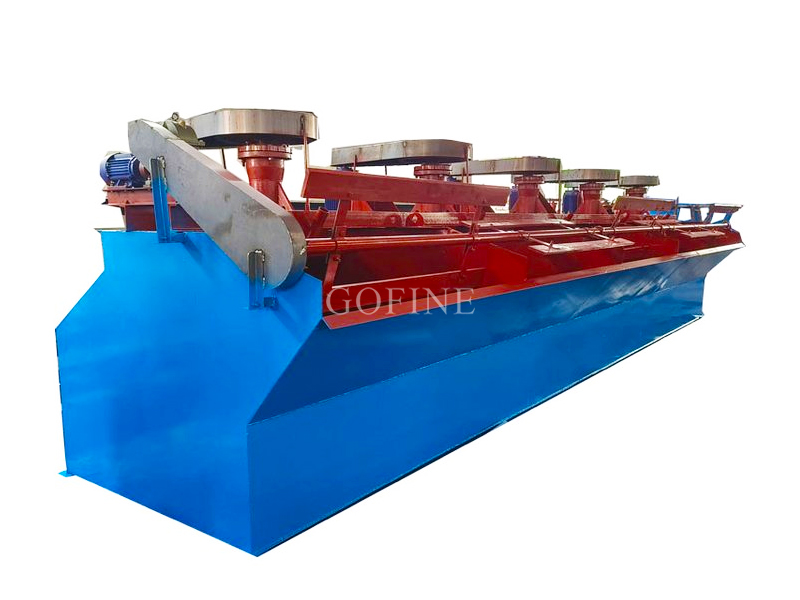
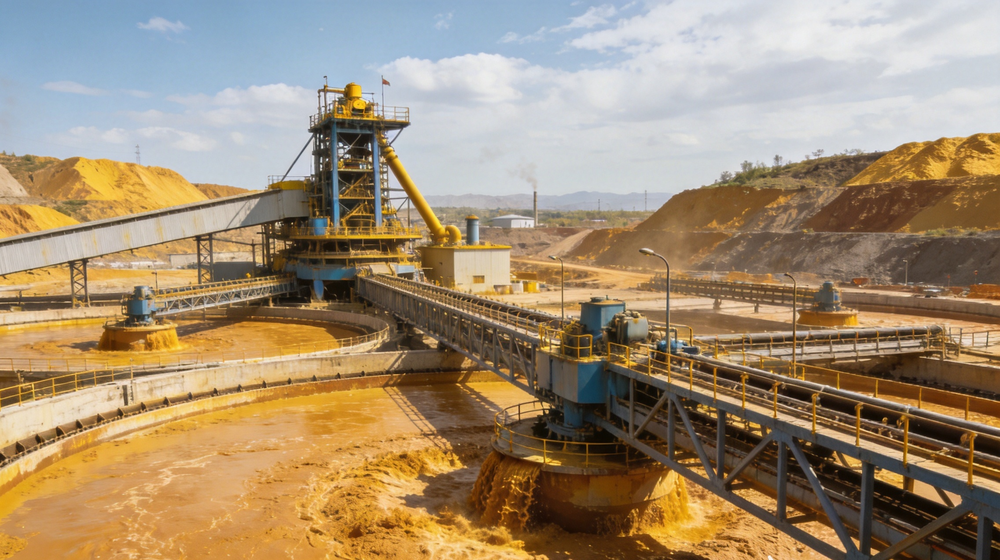
For refractory gold ore and ultra-fine gold ore that cannot be fully recovered by conventional gravity processes, 2026’s optimized plant configuration supports flexible module upgrades to raise the gold recovery rate to 90%–98%. The most practical upgrade is the small-scale CIL carbon-in-leach system, which features low cyanide consumption and eco-friendly treatment, perfectly matching small plant processing capacity. For miners who want to avoid chemical reagents, small flotation cell units can be added to recover sulfide-bound gold particles. In addition, professional fine gold concentrators can be configured to capture micron-level ultra-fine gold, increasing comprehensive recovery by 5%–10%.
Scientific Plant Layout and Site Design Standards 2026
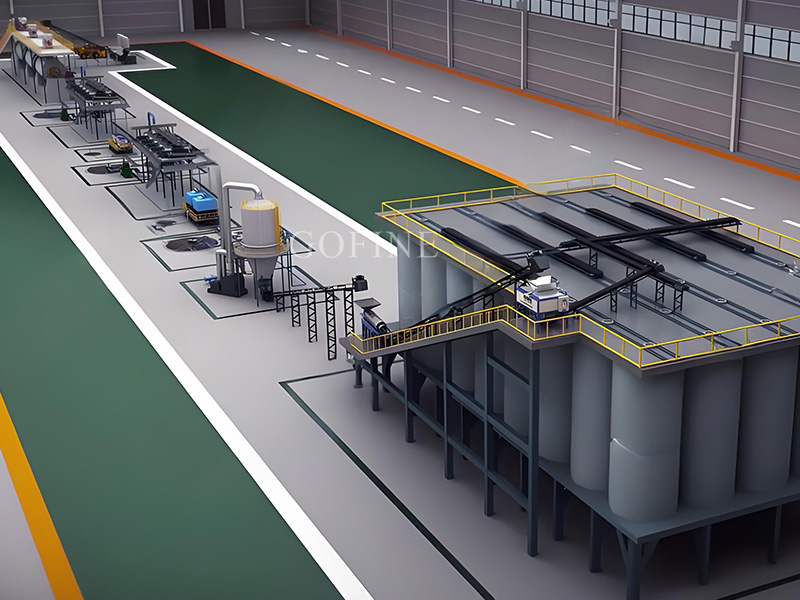
A reasonable plant layout can effectively reduce operating costs and improve production efficiency. The 2026 best practice for small gold processing plants adopts a linear streamlined layout, arranging feeding, crushing, grinding, concentration, and upgrading procedures in sequence to minimize material handling distance and energy loss. The entire 5–20 TPH plant occupies a small footprint and can be fully deployed on a 20×30m simple concrete pad without complex infrastructure construction.
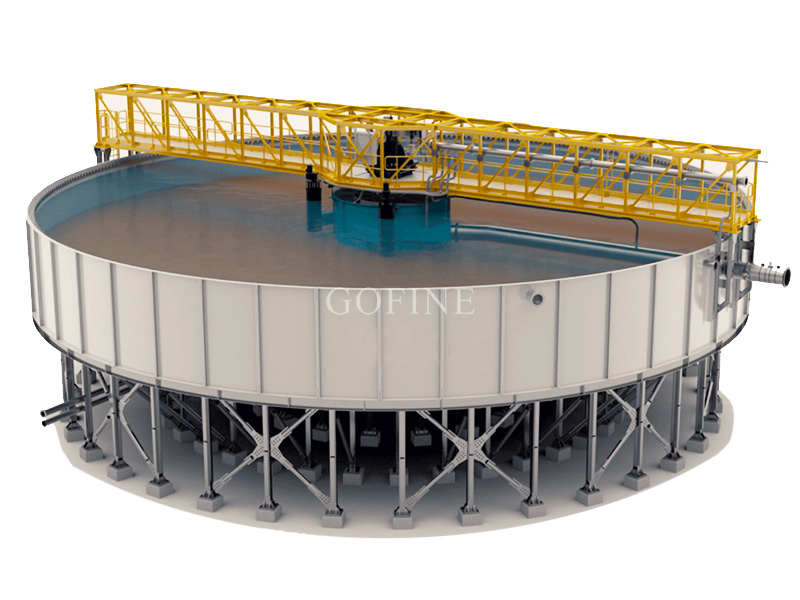
For water-deficient remote mining areas, a complete water recycling system composed of thickeners and sedimentation ponds is essential, which can recycle 80%–90% of production water and reduce water costs. Meanwhile, modular container-type control rooms and maintenance workshops are recommended to realize rapid deployment and flexible migration, adapting to the temporary mining characteristics of small-scale mines.
2026 Cost Breakdown and ROI Analysis
Capital Investment Cost (CAPEX)
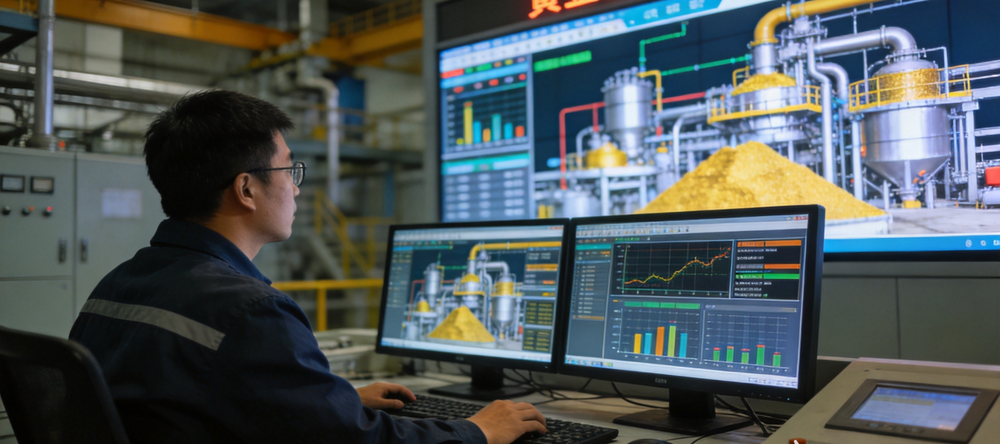
The total capital investment of a 5–10 TPH alluvial gold processing plant is between $20,000 and $80,000. A complete 10–20 TPH hard rock gold plant requires an investment of $80,000 to $150,000. If equipped with a CIL high-recovery upgrade system, the additional investment cost is $50,000 to $100,000, which is optional according to ore conditions.
Monthly Operating Cost (OPEX)
The monthly operating cost of a standard small gold plant mainly includes labor, power, wear parts replacement, and water fees. The labor cost for 3–5 on-site workers is $3,000 to $6,000 per month. Diesel power consumption costs $2,000 to $4,000 monthly for conventional generators. The monthly replacement cost of wearing parts such as crusher liners, screen meshes, and conveyor belts is $1,000 to $2,000, and water consumption and maintenance fees are about $500 to $1,000 per month.
Practical ROI Calculation
Take a 10 TPH alluvial gold plant with a 2g/T gold grade as an example. The daily ore processing volume reaches 240 tons, producing about 480 grams of gold. Based on the 2026 international real-time gold price of $1,900 per troy ounce, the daily output revenue is stable at about $29,300. After deducting the comprehensive monthly operating cost of $8,500, the net monthly profit is considerable, and the overall investment payback period is only 2 to 3 months, which is far higher than other small mining project profit levels.
Key Success Tips for 2026 Small Gold Processing Operations
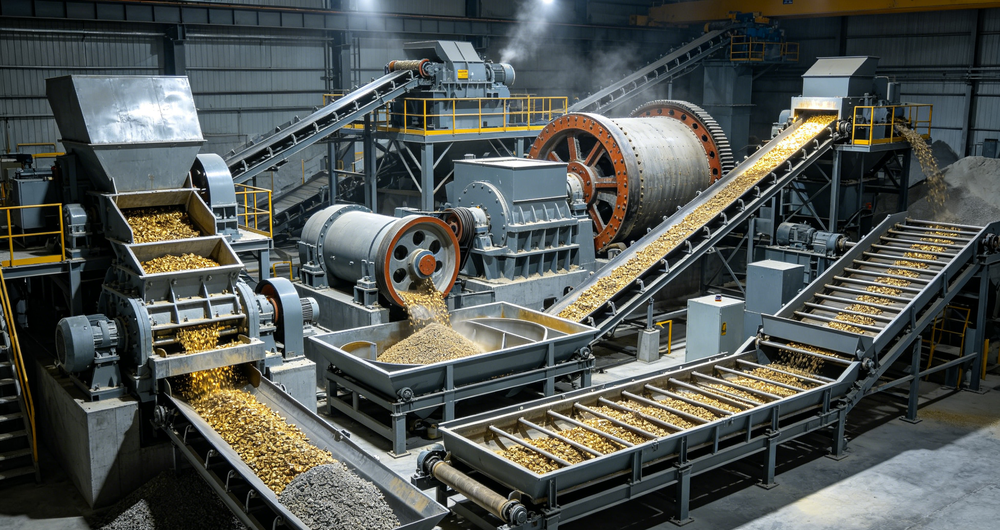
First, conduct professional ore mineral testing before purchasing equipment. Customizing the plant configuration according to actual ore characteristics is the premise of high recovery and high profit, avoiding equipment mismatch and resource waste. Second, prioritize recovery efficiency over processing capacity. A 10 TPH plant with 85% gold recovery is far more profitable than a 20 TPH plant with only 60% recovery.
Third, strictly comply with local mining and environmental regulations. Choose cyanide-free processing technologies in restricted areas to avoid illegal emissions and production shutdowns. Fourth, reserve scalable expansion space in the initial plant design, allowing free addition of CIL systems, flotation equipment, and concentrator modules with the expansion of mining scale. Finally, stock up on common wearing parts to reduce equipment downtime and ensure continuous and stable production.
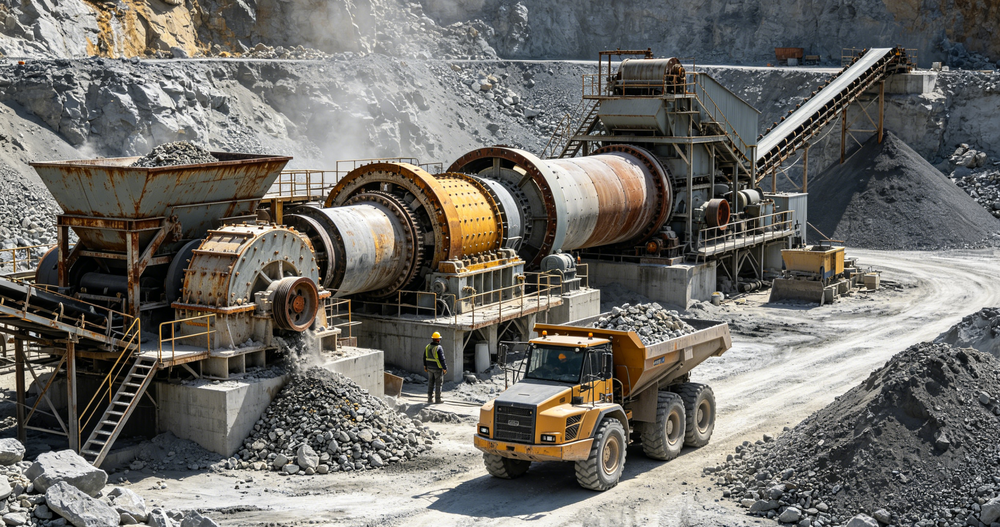
Thebest small scale gold processing plant configuration in 2026 is a modular, low-cost, high-efficiency gravity-based processing system covering 5–20 TPH capacity. This configuration adapts to both alluvial placer gold and conventional hard rock gold ores, with optional upgrade solutions for refractory and fine gold ores. With low upfront capital investment, low daily operating costs, a high gold recovery rate of 75%–98%, and an ultra-short payback period, it is the most suitable processing solution for global small-scale gold miners in 2026. Scientific equipment matching, standardized layout design, and compliant operation will help miners maximize gold mining profits and achieve stable long-term development.
FAQ
Q1: What is the best small scale gold processing method for 2026?
A1: Gravity concentration combining centrifugal concentrators and shaking tables is the best choice for 5–20 TPH small plants. It features low cost, environmental friendliness, and 75%–90% recovery rate for free-milling gold ores. CIL leaching is the optimal upgrade for refractory gold ores.
Q2: How much does a small gold processing plant cost in 2026?
A2: A 5–10 TPH alluvial gold plant costs $20,000–$80,000. A 10–20 TPH hard rock gold plant ranges from $80,000 to $150,000, with extra costs for high-recovery upgrade modules.
Q3: Can small gold plants operate without cyanide in 2026?
A3: Yes. Pure gravity separation and physical flotation processes are completely cyanide-free, meeting global environmental standards and achieving 75%–85% recovery for conventional free gold ores.
Product Inquiry

Contact us
Address: Wulong Industrial Park, Xingyang City, Zhengzhou City, Henan Province
Contact:Richard
Phone:+86 151 3866 6240
Mail:richard@zzgofine.com
Online consultation
Copyright © 2027 All Rights Reserved.