

Gold CIL Processing Plant | Carbon In Leach Process & Technical Advantage
Release time:
2026-05-25
Source:
GoFine
Gold CIL processing plant, centered on the Carbon In Leach process, is the mainstream choice for modern gold extraction, especially for low-grade, fine-grained disseminated gold ores. Unlike traditional gold processing methods, the Carbon In Leach (CIL) process integrates leaching and adsorption into a single system, realizing simultaneous gold dissolution and recovery. This integration not only simplifies the process flow but also enhances gold recovery rate, reduces investment costs, and ensures stable operation—making it the preferred solution for mining enterprises worldwide, from small and medium scale to large industrial operations. This comprehensive guide details the core principles of the Carbon In Leach process, the complete configuration of Gold CIL processing plants, key technical advantages, applicable scenarios, and practical operation tips.
What Is a Gold CIL Processing Plant? Overview
A Gold CIL processing plant is a specialized facility designed to extract gold from raw ore using the Carbon In Leach process, which combines cyanide leaching and activated carbon adsorption in the same equipment. This integrated design eliminates the need for separate leaching and adsorption tanks, streamlining the entire gold extraction process. Gold CIL processing plants are highly adaptable, capable of handling various gold ore types, including oxide gold ore, low-grade free-milling ore, and even some complex refractory ores with proper pretreatment. The core goal of a Gold CIL processing plant is to maximize gold recovery while minimizing operational costs, energy consumption, and environmental impact.
Compared to other gold processing plants, such as CIP (Carbon In Pulp) plants, Gold CIL processing plants feature a more compact layout, lower equipment investment, and shorter process cycles. They are widely used in global gold mining projects, from small-scale operations with daily processing capacity of 50 tons to large-scale plants processing over 5000 tons per day, delivering consistent and reliable gold extraction performance.
Carbon In Leach (CIL) Process: Step-by-Step Working Principle
The Carbon In Leach process is the core of Gold CIL processing plants, characterized by “simultaneous leaching and adsorption” in a single set of integrated tanks. The process follows a systematic sequence of steps, from ore preparation to gold purification, ensuring efficient gold extraction and minimal loss. Below is a detailed breakdown of the Carbon In Leach process working principle.
1. Ore Preparation: Crushing and Grinding
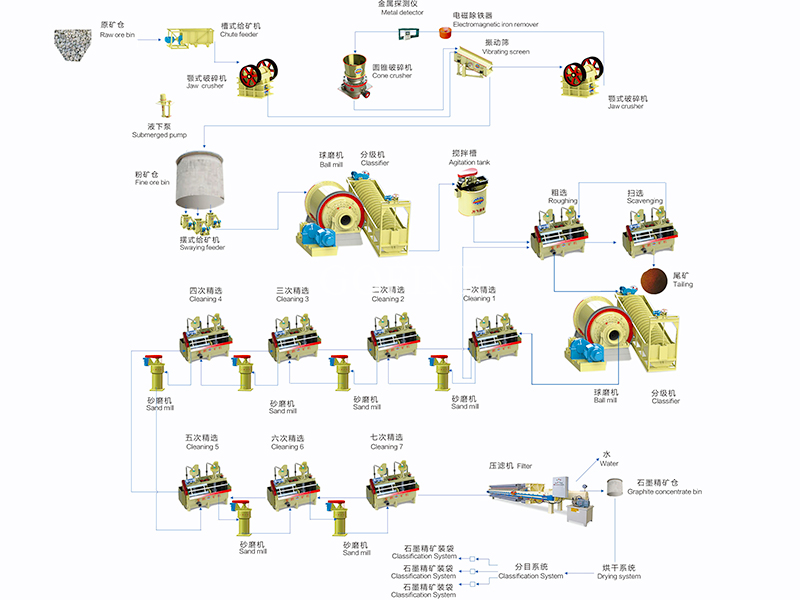
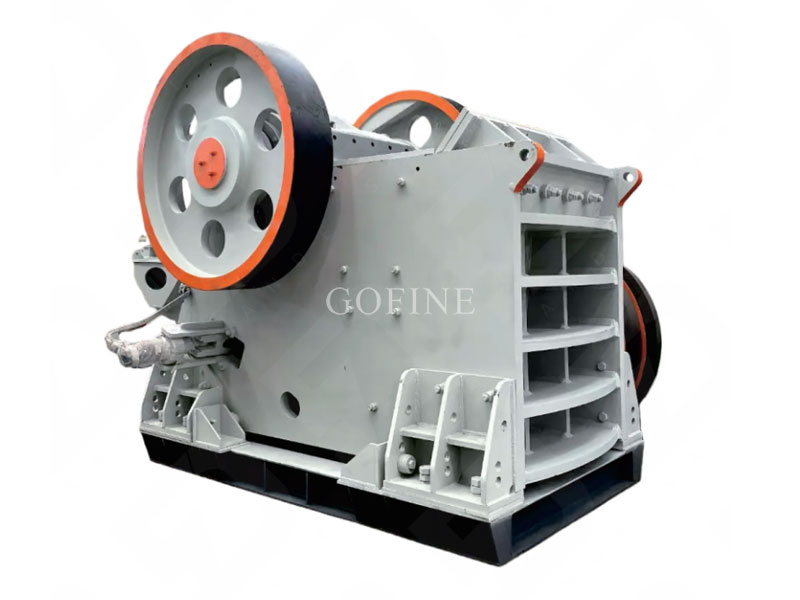
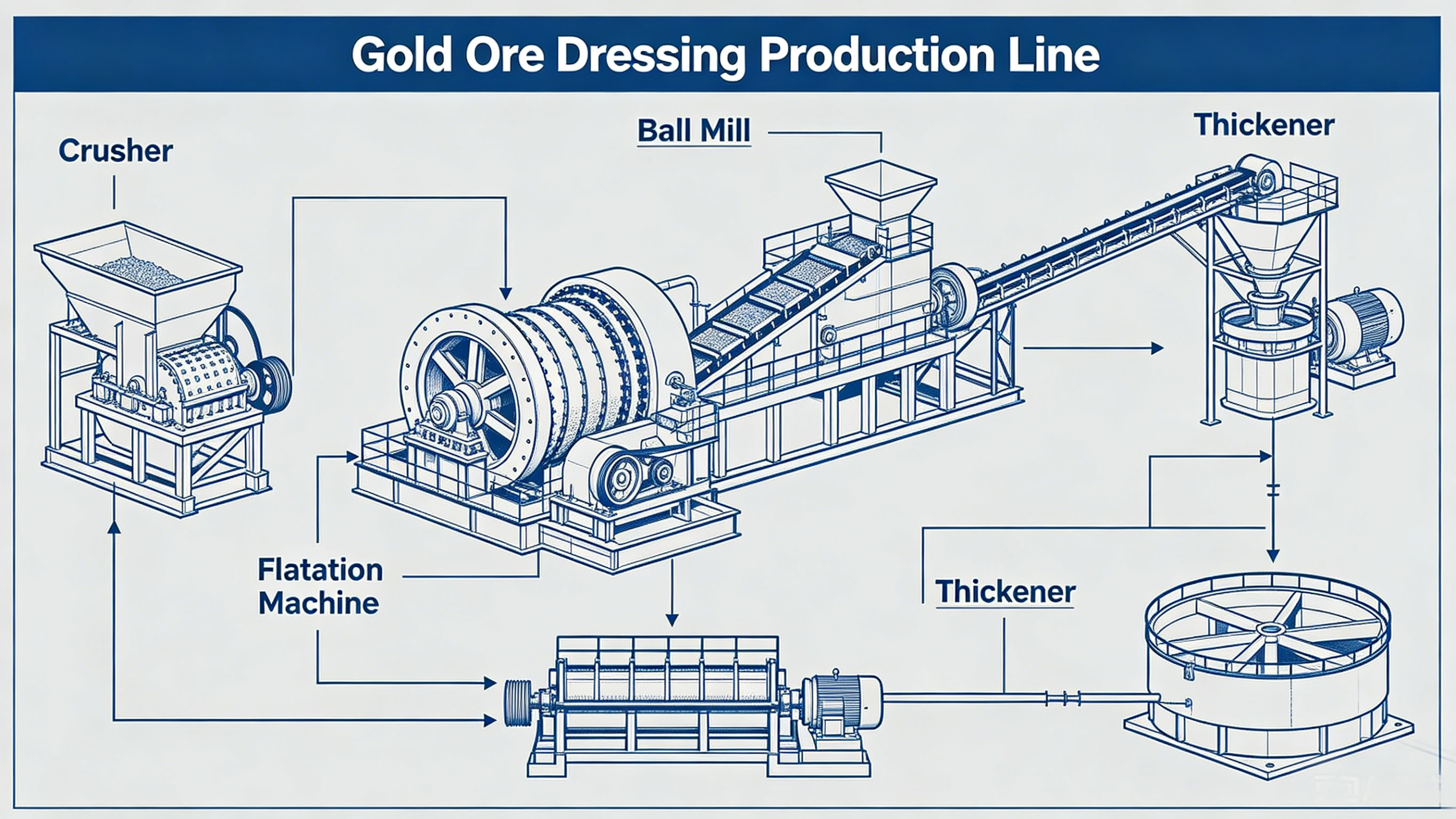
The first step in the CIL process is ore preparation, which aims to liberate gold particles from the ore matrix. Raw gold ore is transported to the plant and fed into a vibrating feeder, which uniformly delivers the ore to the crushing system. Jaw crushers handle primary crushing, reducing large ore chunks to 100-150mm, while cone crushers perform secondary and tertiary crushing to reduce the ore to ≤10mm.
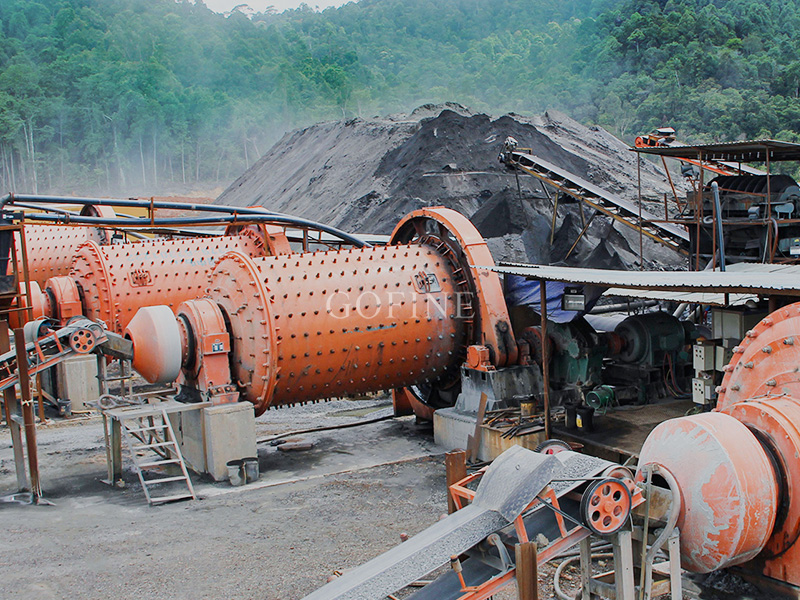
The crushed ore is then sent to a ball mill for grinding, where it is converted into ore pulp. A hydrocyclone is used to classify the pulp by particle size, ensuring the fineness meets the leaching requirements—typically 60-80% passing 200 mesh for free-milling ore and over 85% for complex ores. The qualified pulp is then sent to the CIL leaching-adsorption tanks, while coarse particles are returned to the ball mill for regrinding, forming a closed-circuit system.
2. Slurry Conditioning: Creating Optimal Leaching Conditions
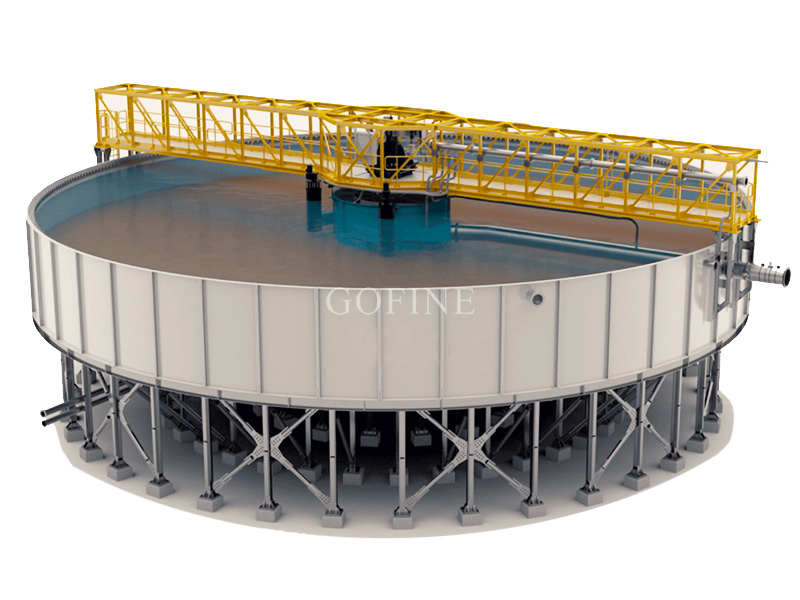
Before entering the CIL tanks, the ore pulp undergoes conditioning to create the ideal environment for cyanide leaching. Thickeners are used to concentrate the pulp to a solid content of 45-50%, which optimizes reagent efficiency and leaching performance. Lime is added to adjust the pH value of the pulp to 10.5-11.5, which inhibits cyanide hydrolysis, prevents toxic gas emissions, and creates a stable alkaline environment for gold dissolution.
A small amount of cyanide solution is also added during conditioning to initiate the leaching reaction, ensuring that gold particles begin to dissolve as soon as the pulp enters the CIL tanks. This step is critical for improving leaching efficiency and reducing the overall process time.
3. CIL Leaching and Adsorption: The Core Step
The leaching and adsorption process takes place in a series of 8-10 cascaded CIL tanks, where cyanide leaching and activated carbon adsorption occur simultaneously. This is the key difference between the CIL process and other cyanide-based processes like CIP, which separate leaching and adsorption into two independent steps.
Cyanide solution and activated carbon are added to the CIL tanks along with the conditioned pulp. The cyanide solution reacts with gold particles in the presence of oxygen, dissolving them into soluble gold cyanide complexes. At the same time, granular activated carbon—preferably coconut shell carbon with high adsorption capacity and wear resistance—adsorbs the gold cyanide complexes from the pulp in real time.
The pulp flows sequentially through the CIL tanks, while activated carbon moves countercurrently to the pulp flow. Fresh activated carbon is added to the last tank, where the gold concentration is lowest, and moves forward through the tanks, gradually adsorbing more gold. Loaded carbon—saturated with gold—is removed from the first tank, where the gold concentration is highest, ensuring maximum adsorption efficiency. The total retention time in the CIL tanks typically ranges from 24 to 36 hours, depending on the ore type and gold grade.
4. Loaded Carbon Separation and Desorption
After the leaching-adsorption process, the ore pulp is sent to a carbon screen, which separates the loaded carbon from the tailings pulp. The tailings pulp is then sent to the tailings treatment system for dewatering and disposal, while the loaded carbon is transferred to the desorption system to separate gold from the carbon.
The desorption process uses a high-temperature, high-pressure closed system. The loaded carbon is fed into a desorption column, where a mixed hot solution of sodium hydroxide and sodium cyanide is pumped through at a temperature of 130-150℃ and pressure of 0.5-0.6MPa. This solution strips the gold cyanide complexes from the surface of the activated carbon, forming a gold-rich precious liquid. The desorption efficiency can reach over 99%, ensuring minimal gold loss.
5. Electrolysis, Smelting, and Gold Purification
The precious liquid from the desorption process is sent to an electrolytic cell, where direct current is applied. With stainless steel as the cathode and lead as the anode, gold ions in the precious liquid are reduced to solid gold mud on the cathode. The gold mud typically has a purity of 90-95%, which is then sent to the smelting system.
In the smelting process, flux such as borax and quartz sand is added to the gold mud, which is then smelted in an intermediate frequency induction furnace to remove impurities. Electrolytic refining is then performed to obtain high-purity gold ingots with a purity of 99.99%, which meet international market standards and can be directly circulated or sold.
6. Activated Carbon Regeneration and Reuse
The activated carbon after desorption, known as lean carbon, still retains significant adsorption capacity and can be regenerated for reuse, reducing operational costs. The regeneration process involves two key steps: first, dilute hydrochloric acid is used to clean the lean carbon, removing surface contaminants such as carbonates; second, the lean carbon is heated in a rotary kiln at 750-800℃ in an inert gas atmosphere to burn off residual organic matter and restore its porous structure and adsorption activity.
The regenerated activated carbon is screened to remove broken fine particles and then returned to the CIL tanks for reuse. This regeneration process can reduce activated carbon consumption by over 30%, significantly lowering the operational costs of the Gold CIL processing plant.

Key Technical Advantages of Gold CIL Processing Plant
Gold CIL processing plants offer distinct technical advantages over traditional gold processing methods and other cyanide-based processes like CIP, making them the preferred choice for modern gold mining enterprises. These advantages focus on efficiency, cost savings, adaptability, and environmental compliance, directly addressing the core needs of mining operators.
1. High Gold Recovery Rate and Efficiency
The simultaneous leaching and adsorption design of the CIL process ensures that gold cyanide complexes are adsorbed by activated carbon as soon as they are dissolved, minimizing gold loss in the pulp. This design drives the leaching reaction forward by continuously reducing the concentration of gold ions in the pulp, improving leaching efficiency. Gold CIL processing plants can achieve a recovery rate of 95-99% for free-milling ore and 85-90% for refractory ore with proper pretreatment, which is significantly higher than traditional gravity separation and flotation methods.
Additionally, the integrated process shortens the overall process cycle by more than 30% compared to CIP plants, accelerating gold recovery and reducing the capital backlog associated with gold retention in the production process.
2. Lower Investment and Operational Costs
Gold CIL processing plants eliminate the need for separate adsorption tanks, reducing the number of equipment and infrastructure required. Compared to CIP plants, the investment cost of a Gold CIL processing plant can be reduced by up to 66%, making it more accessible for small and medium scale mining enterprises with limited capital.
Operational costs are also significantly lower. The CIL process reduces cyanide consumption by 5-10% compared to CIP, as the simultaneous leaching and adsorption reduce reagent oxidation loss. The activated carbon regeneration system further reduces costs by reusing carbon, while the compact layout reduces energy consumption by 20-30% through process consolidation.
3. Compact Layout and Space-Saving
The integrated design of the CIL process allows Gold CIL processing plants to have a more compact layout compared to CIP plants. By combining leaching and adsorption into a single set of equipment, the plant requires less floor space, which is particularly beneficial for mining sites with limited space or remote locations where land development costs are high. The compact layout also simplifies equipment installation and commissioning, shortening the project deployment cycle by 40% compared to traditional plants.
4. Strong Adaptability to Various Ore Types
Gold CIL processing plants are highly adaptable to different gold ore types, including oxide gold ore, low-grade fine-grained disseminated ore, and gold ore with high mud content. For high-mud ore, the CIL process avoids the problems of material caking and uneven leachate penetration that often occur in heap leaching, as it operates in a slurry environment.
The process also performs well in ores containing natural carbonaceous material, known as preg-robbers, which can adsorb dissolved gold. The added activated carbon competes effectively for the dissolved gold, minimizing losses to the ore’s native carbon. With proper pretreatment, Gold CIL processing plants can also handle refractory ore with high arsenic, sulfur, or carbon content.
5. Stable Operation and Easy Automation
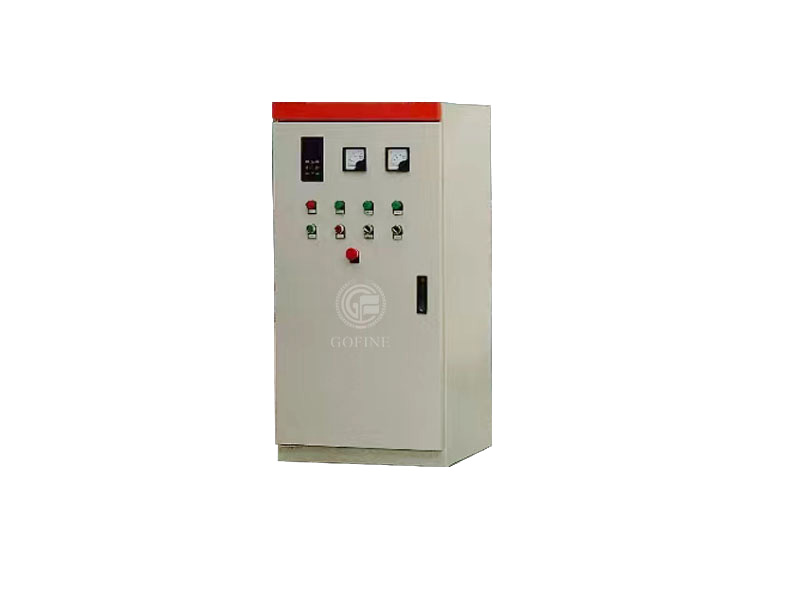
Gold CIL processing plants feature a simple process flow with fewer operational links, reducing the risk of equipment failure and downtime. The process can be easily automated with an intelligent control system that monitors key parameters in real time, including cyanide concentration, pH value, carbon density, and leaching time. This automation reduces human error, ensures consistent process performance, and lowers labor costs, as the plant can be operated with a smaller team of technicians.
The equipment used in Gold CIL processing plants is designed for heavy-duty operation, with low maintenance requirements and a failure rate of less than 5%, ensuring continuous operation for over 8000 hours per year.
6. Environmental Compliance and Sustainability
Modern Gold CIL processing plants integrate eco-friendly design concepts to meet global environmental regulations. The cyanide leaching process uses a closed-circuit circulation system, which recycles cyanide and precious liquid, reducing reagent consumption and environmental pollution. The tailings after processing are dewatered and concentrated, and can be repurposed as building materials such as concrete aggregates or roadbed materials, achieving zero discharge of waste.
For environmentally sensitive areas, non-cyanide leaching reagents can be used to replace cyanide, further reducing environmental impact. Additionally, the process includes a cyanide destruction system that reduces cyanide concentration to below 0.5 ppm before tailings disposal, ensuring compliance with strict environmental standards.
Applicable Scenarios of Gold CIL Processing Plant
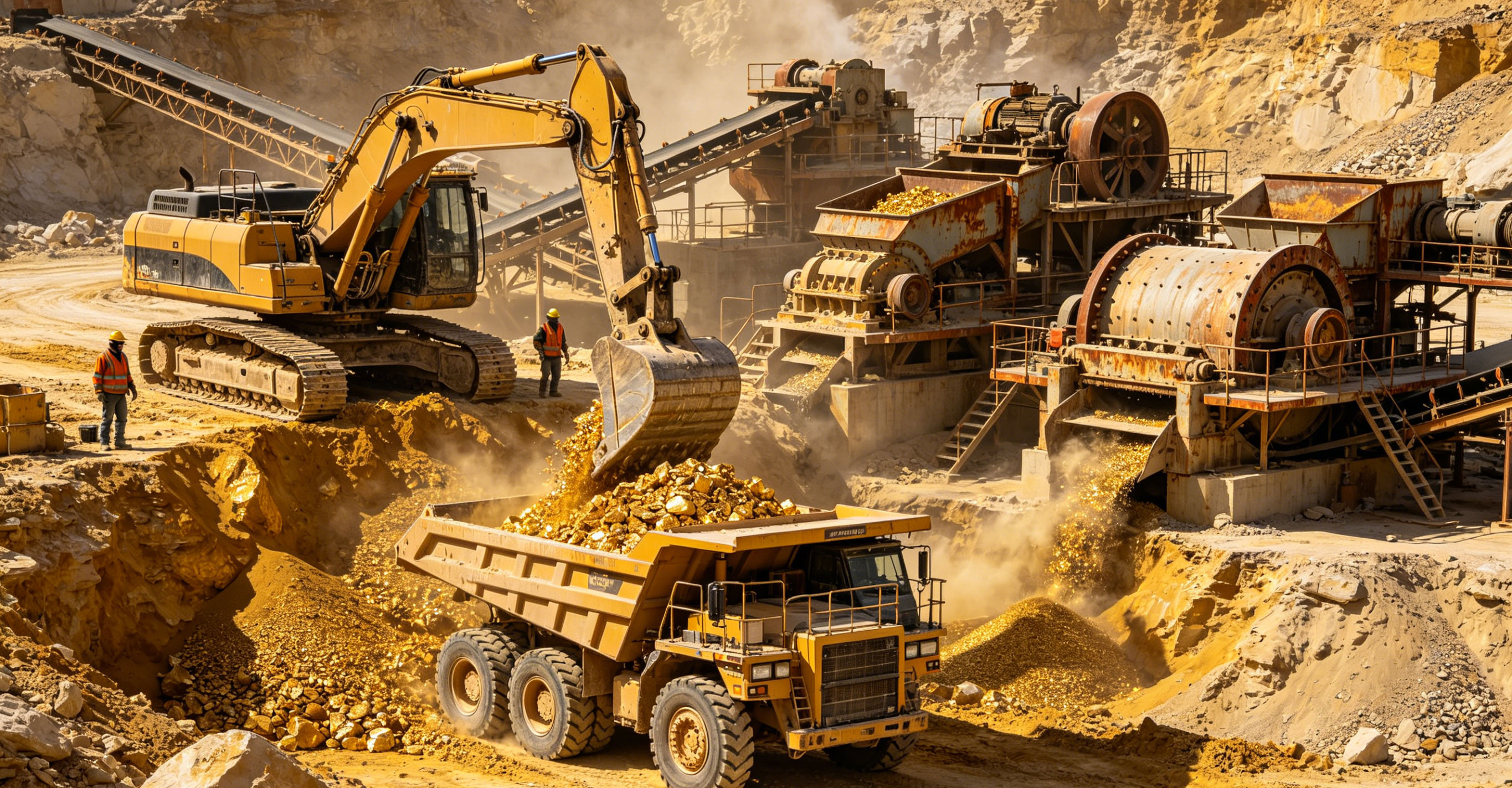
Gold CIL processing plants are widely used in various gold mining scenarios, thanks to their adaptability, efficiency, and cost-effectiveness. They are particularly suitable for the following applications:
1. Ore Types
Gold CIL processing plants are ideal for oxide gold ore, low-grade fine-grained disseminated gold ore, and gold ore with high mud content. They can also handle sulfide-associated gold ore and some refractory ore with proper pretreatment, such as roasting or bacterial oxidation. The process is not recommended for high-sulfur, high-copper, or high-carbonaceous ore, as these minerals consume large amounts of cyanide and compete for adsorption sites on activated carbon.
2. Mining Scales
Gold CIL processing plants are suitable for all mining scales, from small-scale operations (50-200 tons per day) to medium-scale (200-1000 tons per day) and large-scale (1000-5000 tons per day) plants. They are particularly popular among small and medium scale mining enterprises overseas, as they offer low investment costs, simple operation, and high returns.
3. Geographic Locations
Gold CIL processing plants are well-suited for remote mining locations, as their compact layout and low energy consumption reduce the need for extensive infrastructure. They have been widely used in global gold-producing regions, including Africa, Southeast Asia, South America, and Australia, serving over 50 overseas gold processing projects.
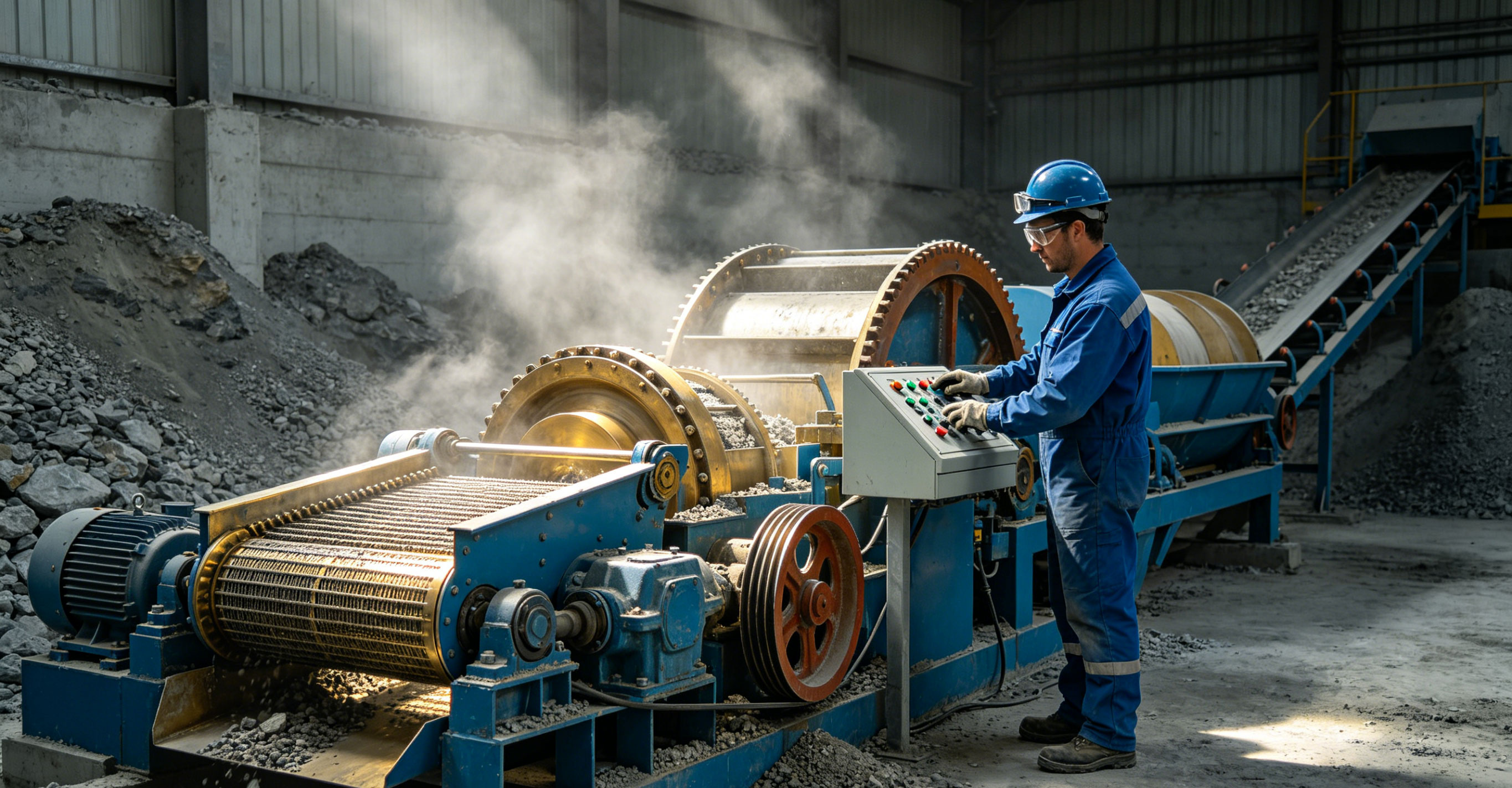
Key Equipment Configuration of Gold CIL Processing Plant
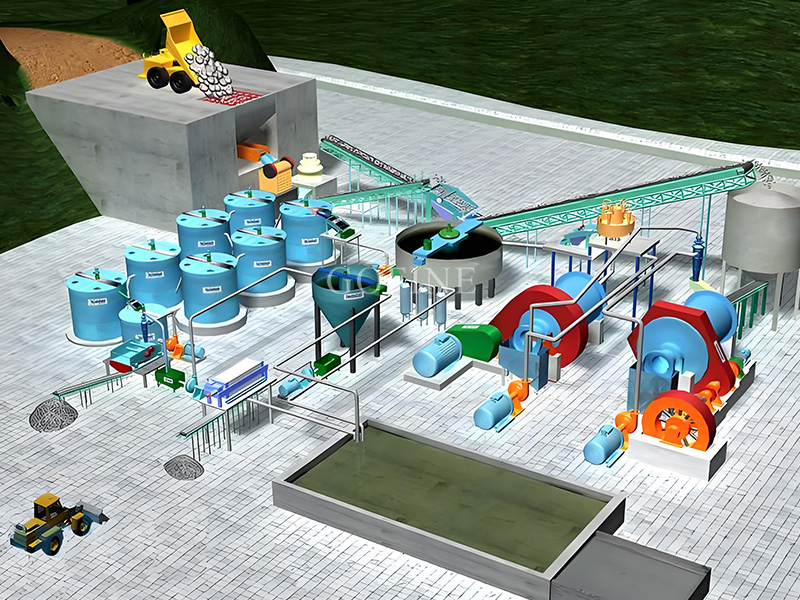
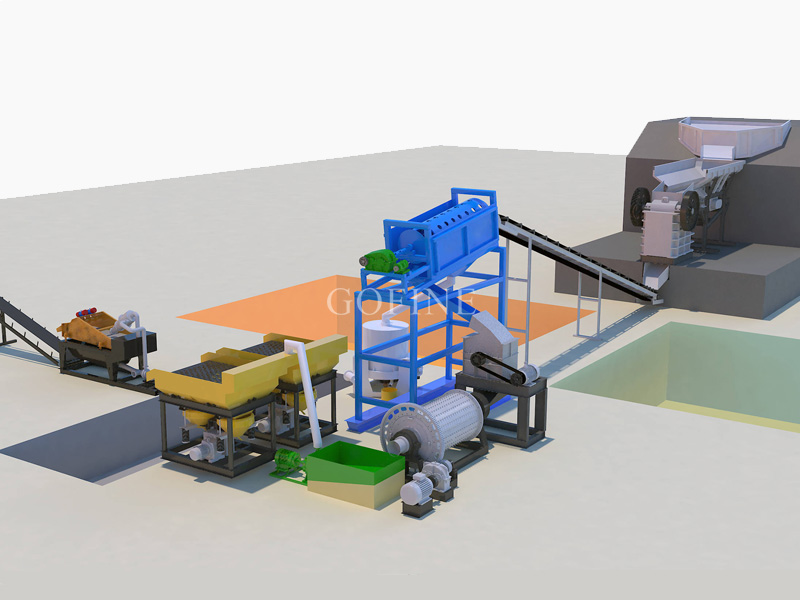
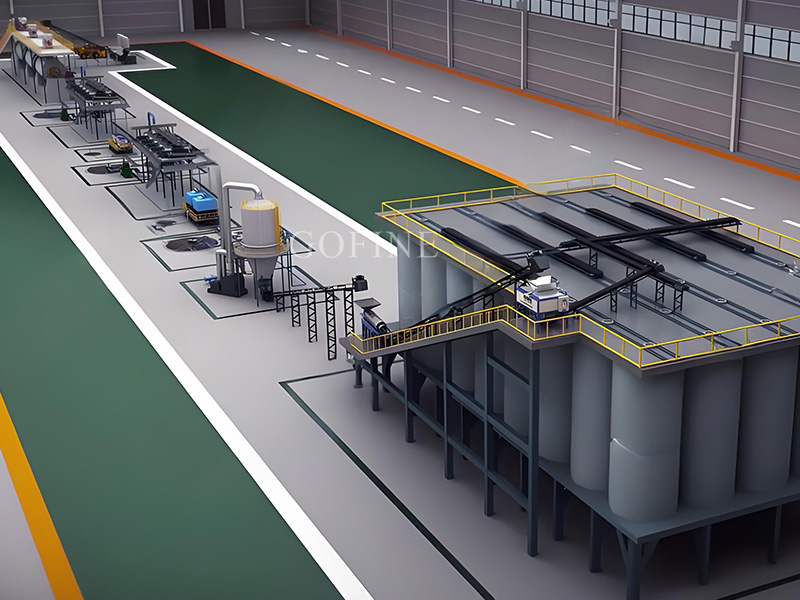
The equipment configuration of a Gold CIL processing plant is tailored to the ore type, processing capacity, and budget, but the core equipment remains consistent. The key equipment includes:
1. Crushing and Grinding Equipment
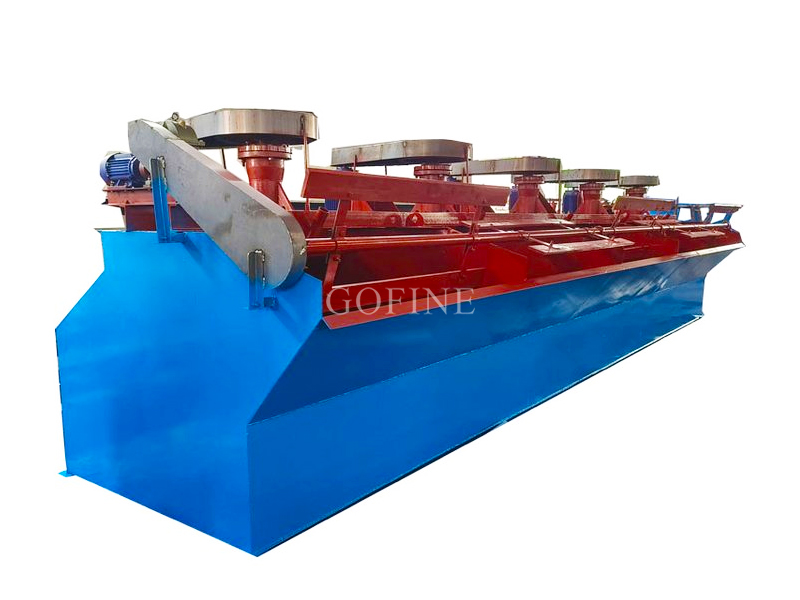
Jaw crushers (primary crushing), cone crushers (secondary/tertiary crushing), ball mills (grinding), and hydrocyclones (classification). These equipment ensure that the ore is reduced to the required fineness for leaching.
2. CIL Leaching and Adsorption Equipment
CIL leaching-adsorption integrated tanks (equipped with dual-impeller agitators and stainless steel screens), carbon screens (separating loaded carbon and pulp), and activated carbon feeding systems. The CIL tanks are typically 300-500 cubic meters each, arranged in a cascaded sequence.
3. Desorption and Electrolysis Equipment
Desorption columns, electrolytic cells, and reagent mixing tanks. The desorption column is designed for high-temperature, high-pressure operation, while the electrolytic cell ensures efficient gold deposition.
4. Smelting and Refining Equipment
Intermediate frequency induction furnaces and electrolytic refining equipment, used to convert gold mud into high-purity gold ingots.
5. Auxiliary Equipment
Activated carbon regeneration kilns, thickeners, filter presses (tailings dewatering), vibrating feeders, conveyors, and intelligent control systems. These equipment support the smooth operation of the entire plant.
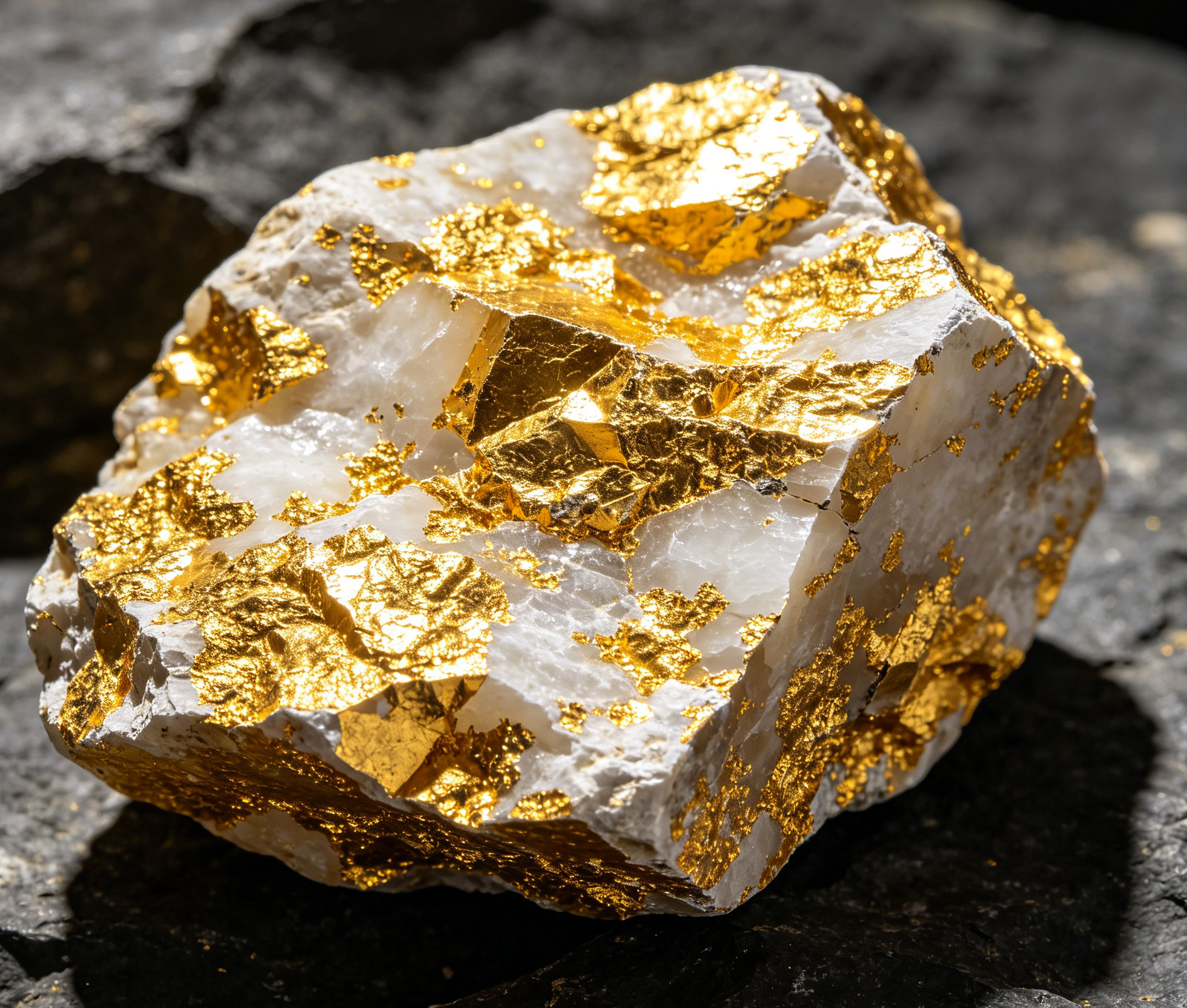
How to Maximize the Performance of Gold CIL Processing Plant
To ensure that a Gold CIL processing plant operates at maximum efficiency and achieves high gold recovery rates, mining enterprises should pay attention to the following key points:
1. Conduct Thorough Ore Analysis
Before designing the plant, conduct a comprehensive metallurgical analysis of the gold ore to determine the ore type, gold grade, grinding fineness, and leaching efficiency. This analysis is the basis for selecting the right equipment and optimizing process parameters.
2. Optimize Process Parameters
Adjust key process parameters such as cyanide concentration, pH value, carbon density, and leaching time based on ore characteristics. For example, the cyanide concentration should be 0.05-0.08% in the first CIL tank and 0.01-0.03% in the last tank, while the carbon density should be maintained at 10-30 g/l.
3. Choose High-Quality Activated Carbon
Select granular activated carbon with high adsorption capacity, wear resistance, and regeneration performance—preferably coconut shell carbon with a particle size of 1.0-3.35 mm. This ensures efficient gold adsorption and reduces carbon consumption.
4. Implement Regular Maintenance
Perform regular maintenance on key equipment, including CIL tanks, ball mills, and desorption columns, to avoid downtime and ensure stable operation. Regularly inspect and replace worn parts, and clean equipment to prevent blockages.
5. Adopt Intelligent Automation
Invest in an intelligent control system to monitor and adjust process parameters in real time. This reduces human error, optimizes process performance, and lowers labor costs.
Conclusion
Gold CIL processing plant, with the Carbon In Leach process as its core, has become the mainstream solution for modern gold extraction due to its high efficiency, low cost, strong adaptability, and environmental compliance. The integrated leaching and adsorption design simplifies the process, reduces investment and operational costs, and maximizes gold recovery rates, making it suitable for mining enterprises of all scales and various ore types.
Whether you are building a new gold processing plant or optimizing an existing one, the Gold CIL processing plant offers a reliable and profitable solution. By understanding the Carbon In Leach process, selecting the right equipment, and optimizing process parameters, you can achieve efficient, stable, and sustainable gold extraction, gaining a competitive advantage in the global gold mining industry.
If you need a personalized Gold CIL processing plant solution, tailored to your ore characteristics and processing capacity, contact our team of experts. We provide end-to-end support, from ore analysis and plant design to equipment supply, installation, and training, helping you achieve maximum profitability and success.
Product Inquiry

Contact us
Address: Wulong Industrial Park, Xingyang City, Zhengzhou City, Henan Province
Contact:Richard
Phone:+86 151 3866 6240
Mail:richard@zzgofine.com
Online consultation
Copyright © 2027 All Rights Reserved.