

Main Types and Selection Guide of Gold Ore Dressing Equipment
Release time:
2026-05-11
Source:
GoFine
Gold ore dressing equipment is the core foundation of gold beneficiation production, directly determining the efficiency of gold extraction, the recovery rate of gold, and the overall economic benefits of mining projects. Choosing the right type of gold ore dressing equipment and formulating a scientific selection plan are crucial for both small-scale gold mines and large-scale mining enterprises. With the continuous development of beneficiation technology, there are various types of gold ore dressing equipment on the market, each with its own characteristics, applicable scenarios, and scope of use. This article will detail the main types of gold ore dressing equipment, their working principles, and application scenarios, and provide a professional selection guide to help mining enterprises and project investors choose suitable gold ore dressing equipment, avoid blind investment, and maximize production efficiency and economic benefits.
An Overview of Gold Ore Dressing Equipment
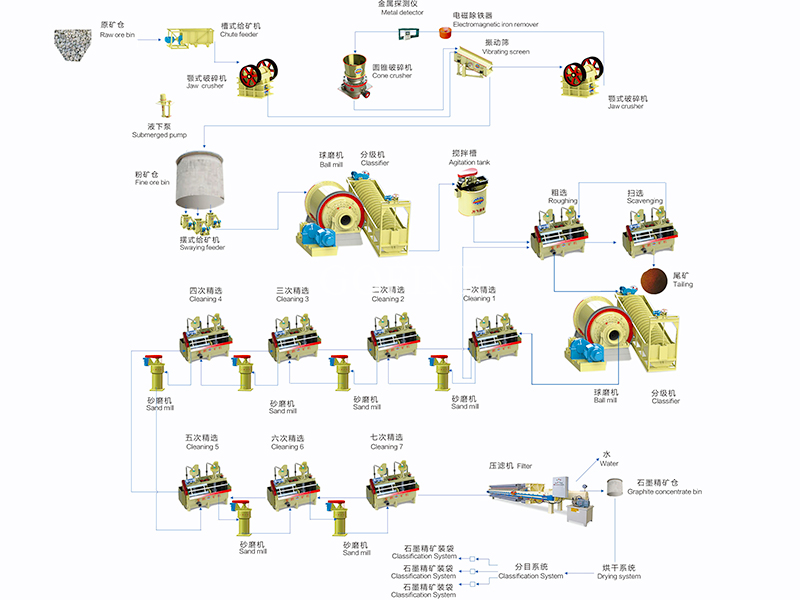
Gold ore dressing equipment refers to a series of professional equipment used to separate gold minerals from raw gold ore and enrich them into high-grade gold concentrate. It covers all links of gold beneficiation, including raw ore pretreatment, grinding and classification, beneficiation separation, concentrate dewatering, and tailings treatment. The rational matching of different types of gold ore dressing equipment forms a complete gold beneficiation production line, realizing automated and standardized operation.
The selection of gold ore dressing equipment is not a one-size-fits-all process. It needs to be comprehensively considered according to the type of gold ore (such as rock gold, alluvial gold, oxidized gold ore, and refractory gold ore), the occurrence state of gold, the production scale, the beneficiation process, and the site conditions. Understanding the main types and characteristics of gold ore dressing equipment is the first step to make a scientific selection.
Main Types of Gold Ore Dressing Equipment
According to the functional links of gold beneficiation, gold ore dressing equipment can be divided into five major categories: pretreatment equipment, grinding and classification equipment, beneficiation separation equipment, dewatering equipment, and auxiliary equipment. Each category includes multiple types of equipment, which are suitable for different working conditions and beneficiation requirements.
1. Pretreatment Equipment: Lay the Foundation for Beneficiation
Pretreatment equipment is mainly used to process raw gold ore, remove impurities, adjust the ore particle size, and create favorable conditions for subsequent grinding and beneficiation. It is the first link of the gold beneficiation process, and its performance directly affects the efficiency of the entire production line. The main types of pretreatment gold ore dressing equipment include crushers, vibrating screens, and washing machines.
1.1 Crushers
Crushers are core equipment for raw ore crushing, responsible for breaking large pieces of raw gold ore into small particles that meet the grinding requirements. According to the crushing principle and structure, common crushers include jaw crushers, cone crushers, and impact crushers.
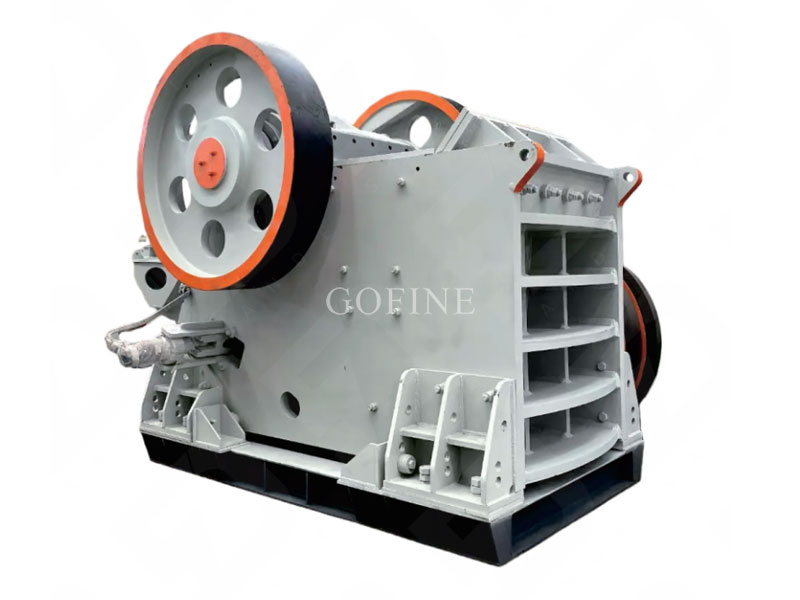
Jaw crushers are the “standard equipment” for coarse crushing of gold ore. They crush ore through the extrusion of a movable jaw and a fixed jaw, with a simple structure, strong crushing capacity, and low failure rate. They are suitable for coarse crushing of various gold ores, especially hard rock gold ore, and can handle bulk ore with a particle size of 0.3-1.0m, breaking it into 100-200mm particles.
Cone crushers are mainly used for medium and fine crushing. Driven by an eccentric sleeve, the moving cone performs an oscillating motion, periodically approaching and moving away from the fixed cone to crush the ore through squeezing, impact, and bending. They have the advantages of high crushing efficiency, uniform discharge particle size, and low content of needle-like particles, making them suitable for crushing hard rock gold ore after coarse crushing, further reducing the ore particle size to 10-20mm.
Impact crushers are suitable for medium and fine crushing of gold ore with low hardness. They crush ore through the impact of hammerheads, with good product particle shape and high crushing ratio. They are often used in small and medium-sized gold mines or gold ore with low hardness, and can also handle associated minerals in the ore while crushing.
1.2 Vibrating Screens
Vibrating screens are supporting equipment for crushers, forming a closed-circuit crushing system with crushers. They screen the crushed ore into different particle sizes through high-frequency vibration, send qualified ore particles to the next process, and return unqualified coarse particles to the crusher for re-crushing. This effectively avoids over-crushing or unqualified particle size of the ore, and improves the overall crushing efficiency. Common types include linear vibrating screens and circular vibrating screens, which are simple in structure, easy to maintain, and widely used in various gold ore pretreatment links.
1.3 Washing Machines
Washing machines are mainly used for gold ore with high mud content, such as alluvial gold ore and oxidized gold ore with high clay content. They remove mud and impurities on the surface of the ore through water washing and stirring, avoiding the impact of mud on subsequent grinding and beneficiation effects. Common types include spiral washing machines and cylindrical washing machines, which have the advantages of high washing efficiency and low water consumption, and are essential equipment for pretreatment of high-mud gold ore.
2. Grinding and Classification Equipment: Realize Monomer Dissociation of Gold Minerals
Grinding and classification equipment is the key link of gold ore dressing, whose core goal is to grind the pretreated ore to the required fineness, so that gold minerals are fully dissociated from gangue minerals, laying the foundation for subsequent beneficiation separation. This link usually adopts a closed-circuit circulation system composed of grinding equipment and classification equipment.
2.1 Grinding Equipment
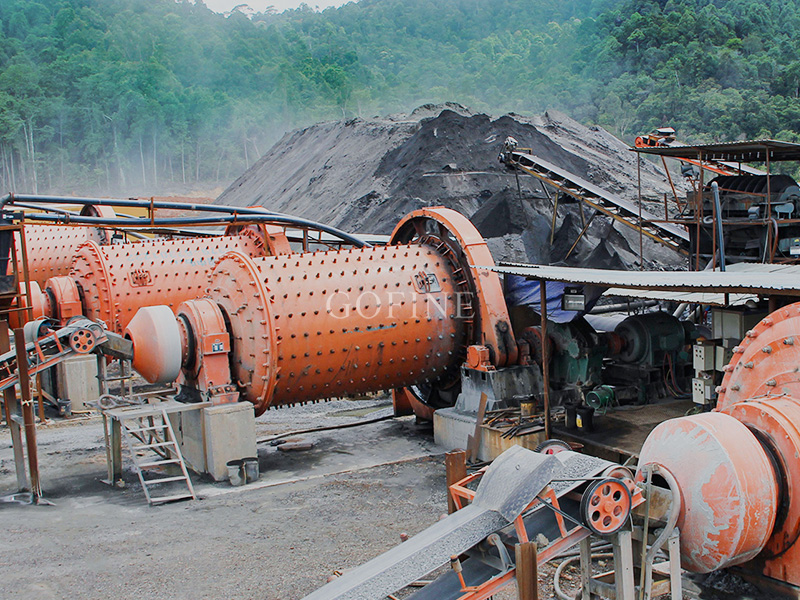
Ball mills are the core grinding equipment in gold ore dressing, which grind ore to the target fineness through the impact and grinding effect of steel balls in the cylinder. According to the discharge method, they are divided into grid-type ball mills and overflow-type ball mills. Grid-type ball mills have fast discharge speed and high grinding efficiency, suitable for coarse grinding processes; overflow-type ball mills have finer discharge particle size and good grinding effect, suitable for fine grinding processes. They are widely used in various gold ore grinding links, whether it is rock gold, alluvial gold, or refractory gold ore, and can be flexibly selected according to the grinding requirements.
In addition to ball mills, vertical mills and rod mills are also used in some special scenarios. Vertical mills have the advantages of high grinding efficiency, low energy consumption, and small floor area, suitable for large-scale gold mines; rod mills are mainly used for coarse grinding of gold ore with uneven particle size, which can avoid over-grinding of ore and protect gold minerals from damage.
2.2 Classification Equipment
Classification equipment is used to classify the ground ore pulp, send qualified fine-grained ore to the subsequent beneficiation link, and return coarse particles to the ball mill for re-grinding, forming a closed-circuit grinding system. Common classification equipment includes spiral classifiers and hydrocyclones.
Spiral classifiers are traditional classification equipment, simple in structure, easy to maintain, and low in cost. They are suitable for small and medium-sized gold ore dressing production lines, and can meet the conventional grinding and classification needs. Hydrocyclones are modern high-efficiency classification equipment, with high classification efficiency, small floor area, and large processing capacity. They can accurately control the ore pulp particle size, and are the mainstream choice for large-scale gold ore dressing production lines, especially suitable for high-precision grinding and classification operations.
3. Beneficiation Separation Equipment: Core Equipment for Gold Enrichment
Beneficiation separation equipment is the core of gold ore dressing equipment, which separates gold minerals from gangue minerals through different beneficiation methods according to the characteristics of gold ore, and enriches them into high-grade gold concentrate. The selection of beneficiation separation equipment directly determines the gold recovery rate. Common types include gravity separation equipment, flotation equipment, and cyanidation (CIL/CIP) equipment.
3.1 Gravity Separation Equipment
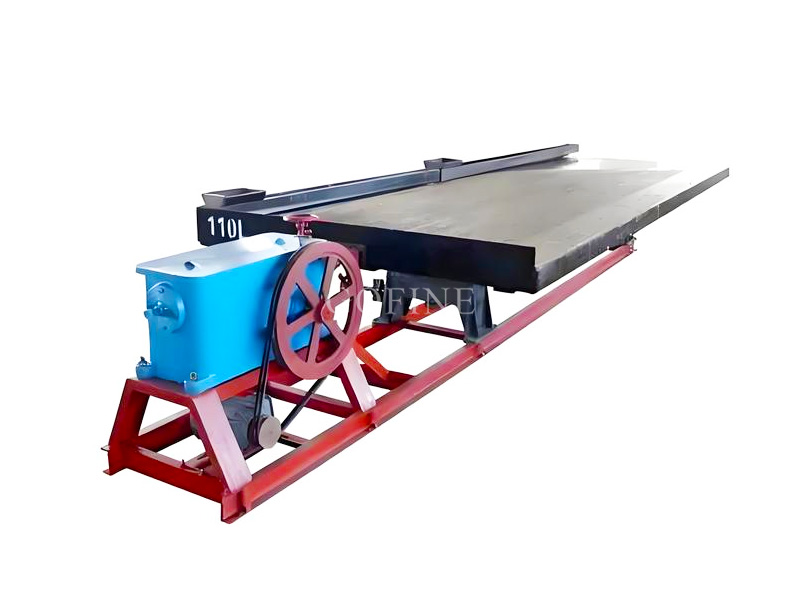
Gravity separation equipment separates gold from gangue based on the density difference between gold and gangue under the action of gravity and centrifugal force. It has the advantages of green environmental protection, low energy consumption, and simple operation, and is mainly used to recover coarse-grained free gold (particle size > 0.074mm). Common gravity separation equipment includes jigs, shaking tables, and centrifugal concentrators.
Jigs use the pulsation of water flow to stratify gold minerals and gangue minerals, with large processing capacity and high efficiency, suitable for roughing coarse-grained gold. Shaking tables have high separation accuracy, suitable for cleaning fine-grained gold, and can further improve the grade of gold concentrate. Centrifugal concentrators (such as Knelson concentrators) use high-intensity centrifugal force to strengthen the separation of ore particles, which can efficiently recover fine-grained gold and micro-gold, and are the preferred equipment for modern gold ore gravity separation.
3.2 Flotation Equipment
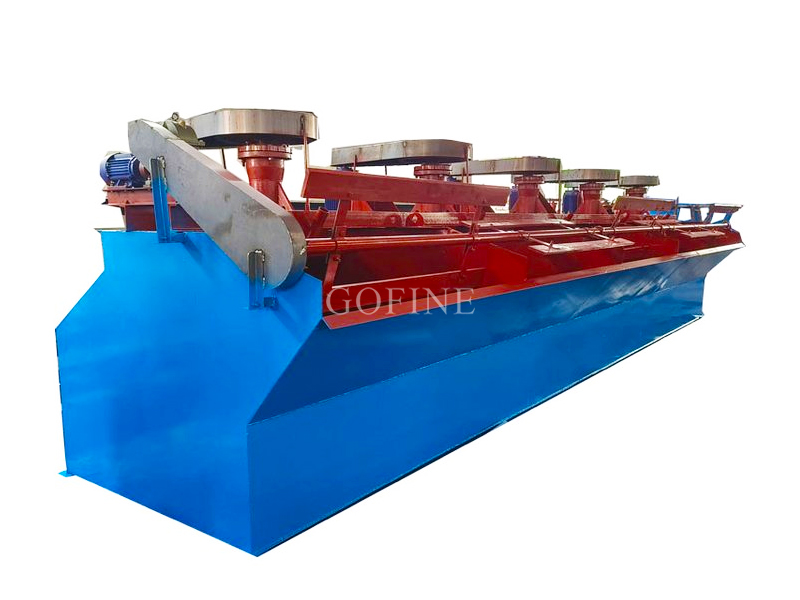
Flotation equipment is suitable for recovering fine-grained and disseminated gold (particle size < 0.074mm), especially gold associated with sulfide minerals. It modifies the surface properties of gold minerals through collectors, frothers, and regulators, making them adhere to mineral foam and separate from gangue. The core flotation equipment is the flotation machine, which is divided into mechanical stirring flotation machines and aerated stirring flotation machines.
Mechanical stirring flotation machines are self-priming, no external air supply is needed, and they can self-prime ore pulp, which is suitable for small and medium-sized gold ore dressing production lines. Aerated stirring flotation machines need external blowers for aeration, with uniform aeration, high flotation efficiency, and low reagent consumption, suitable for large-scale gold ore dressing production lines. In addition, mixing tanks and reagent adding equipment are supporting equipment for flotation, which ensure the uniform mixing of ore pulp and reagents and the accurate addition of reagents, improving the flotation effect.
3.3 Cyanidation (CIL/CIP) Equipment
Cyanidation equipment is mainly used for the beneficiation of fine-grained gold ore and refractory gold ore, with a high gold recovery rate (up to 85%-95%). Common cyanidation equipment includes leaching tanks, activated carbon adsorption tanks, desorption electrolysis systems, and thickeners.
Leaching tanks are used to dissolve gold minerals into the solution through cyanide leaching solution. According to the stirring method, they are divided into mechanical stirring leaching tanks and air stirring leaching tanks. Mechanical stirring leaching tanks are simple in structure and mature in operation, suitable for small-scale cyanidation operations; air stirring leaching tanks have low energy consumption and large processing capacity, suitable for large-scale production. CIL (Carbon In Leach) and CIP (Carbon In Pulp) equipment are mainstream cyanidation equipment. CIL equipment realizes leaching and adsorption in the same tank group, suitable for high-mud gold ore; CIP equipment separates leaching and adsorption, with high flexibility. Desorption electrolysis systems are used to desorb gold from gold-loaded activated carbon and electrolyze it into gold mud, which is the final link of gold recovery in cyanidation.
4. Dewatering Equipment: Obtain Qualified Gold Concentrate
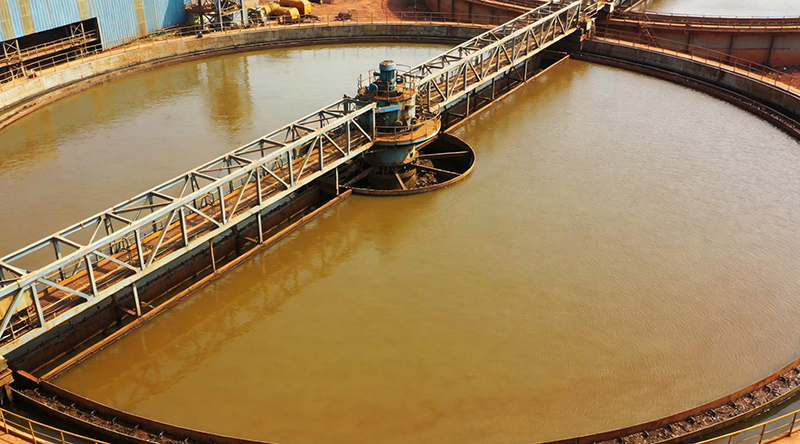
The gold concentrate obtained after beneficiation separation contains a lot of water (moisture content of 30%-40%), which is not convenient for storage, transportation, and subsequent smelting. Dewatering equipment is used to reduce the moisture content of the concentrate to meet the smelting requirements. Common dewatering equipment includes thickeners, filter presses, and dryers.
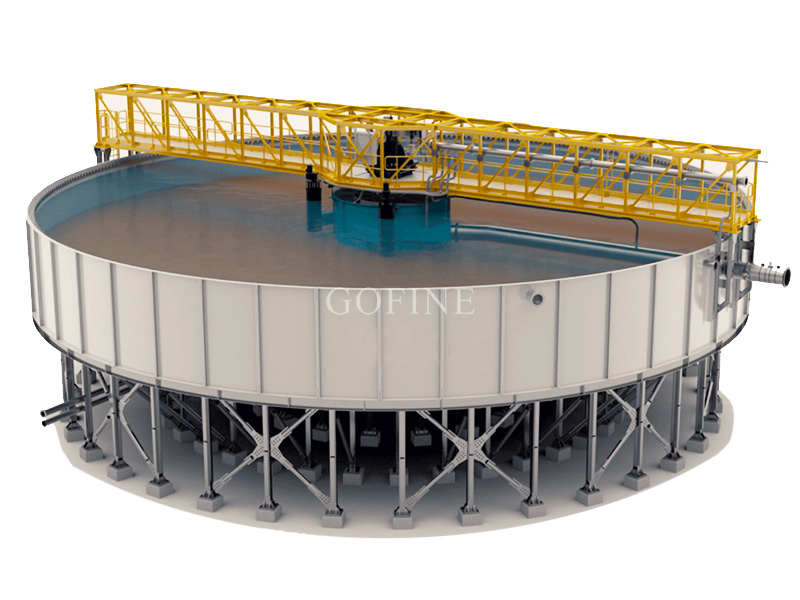
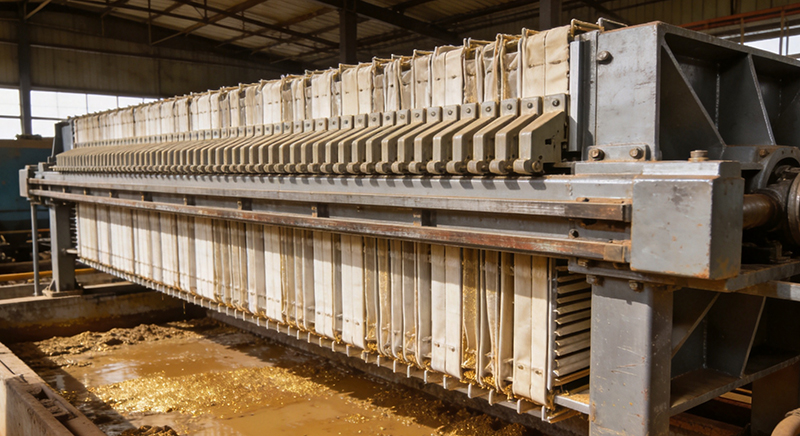
Thickeners use the principle of gravity sedimentation to precipitate concentrate particles and separate water, reducing the moisture content of the concentrate to 20%-30%. Filter presses further remove moisture from the concentrated concentrate through pressure filtration, reducing the moisture content to 15%-20%, and forming filter cakes that are easy to store and transport. Dryers dry the filtered concentrate through heating, reducing the moisture content to below 10%, ensuring that the gold concentrate meets the smelting standards. Common dryers include rotary dryers and belt dryers, which have high drying efficiency and stable performance.
5. Auxiliary Equipment: Ensure the Stable Operation of the Production Line
Auxiliary equipment is an important part of gold ore dressing equipment, which is responsible for material transportation, dust removal, sewage treatment, and other functions, ensuring the stable, efficient, and green operation of the entire gold beneficiation production line. Common auxiliary equipment includes conveyors, dust collectors, sewage treatment equipment, and intelligent control systems.
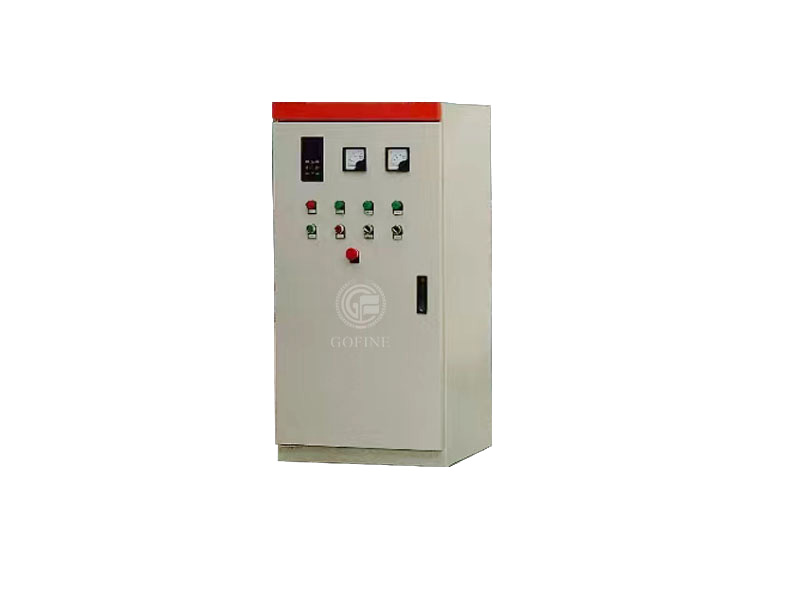
Conveyors are used to transport ore, ore pulp, and concentrate between different equipment, ensuring the continuity of the production line. Common types include belt conveyors and screw conveyors. Dust collectors are used to collect dust generated during crushing, grinding, and other links, reducing air pollution and protecting the environment. Sewage treatment equipment treats wastewater generated in the production process, making it meet the discharge standards and realizing water recycling. Intelligent control systems integrate PLC controllers, touch screens, and sensors, realizing automated control and real-time monitoring of the production line, reducing manual intervention and improving production stability.
Professional Selection Guide of Gold Ore Dressing Equipment
Choosing the right gold ore dressing equipment is a systematic project that needs to be comprehensively considered according to multiple factors such as ore properties, production scale, beneficiation process, and economic benefits. Blind selection will not only lead to waste of investment but also affect production efficiency and gold recovery rate. The following is a professional selection guide to help you make scientific decisions.
1. First, Clarify the Ore Properties (Core Basis for Selection)
Ore properties are the most important basis for selecting gold ore dressing equipment, mainly including the type of gold ore, the occurrence state of gold, the hardness of the ore, the mud content, and the particle size of gold. Different ore properties correspond to different types of equipment.
For rock gold ore with high hardness (Mohs hardness 6-8), jaw crushers and cone crushers should be selected for crushing; overflow-type ball mills should be selected for grinding to ensure the full dissociation of gold minerals. For alluvial gold ore with high mud content, washing machines should be added in the pretreatment link, and gravity separation equipment (such as jigs and centrifugal concentrators) should be selected for beneficiation separation. For refractory gold ore (such as high-arsenic, high-sulfur gold ore), pretreatment equipment (such as roasting furnaces) should be added, and cyanidation (CIL) equipment should be selected for beneficiation to improve the gold recovery rate. For fine-grained gold ore, flotation equipment or centrifugal concentrators should be selected to ensure the recovery of fine-grained gold.
2. Determine the Production Scale (Determine the Equipment Specifications)
The production scale directly determines the specifications and models of gold ore dressing equipment. Small-scale gold mines (daily output ≤ 50 tons) can choose small-sized equipment, such as small jaw crushers, grid-type ball mills, and mechanical stirring flotation machines, which have the advantages of small investment, small floor area, and simple operation. Medium-scale gold mines (daily output 50-200 tons) can choose medium-sized equipment, such as cone crushers, overflow-type ball mills, and aerated stirring flotation machines, to balance production efficiency and investment cost. Large-scale gold mines (daily output ≥ 200 tons) should choose large-scale, high-efficiency equipment, such as large jaw crushers, vertical mills, hydrocyclones, and large-scale CIL equipment, to ensure the continuity and efficiency of large-scale production. At the same time, the modular design should be considered to facilitate later expansion and upgrading.
3. Match the Beneficiation Process (Ensure the Coordination of Equipment)
The selection of gold ore dressing equipment must be matched with the determined beneficiation process to avoid the problem of poor coordination between equipment and process. For example, if the gravity separation process is adopted, jigs, shaking tables, and centrifugal concentrators should be selected; if the flotation process is adopted, flotation machines, mixing tanks, and reagent adding equipment should be selected; if the cyanidation process is adopted, leaching tanks, activated carbon adsorption tanks, and desorption electrolysis systems should be selected. In addition, the parameters of each equipment should be matched to ensure the smooth operation of the entire production line. For example, the output of the crusher should be matched with the feeding amount of the ball mill, and the output of the ball mill should be matched with the processing capacity of the beneficiation separation equipment.
4. Consider Economic Benefits (Balance Investment and Return)
When selecting gold ore dressing equipment, it is necessary to comprehensively consider the investment cost, operation cost, maintenance cost, and service life of the equipment, and balance the investment and return. Do not blindly pursue high-end equipment, nor choose low-quality equipment for cost saving. For small-scale gold mines with limited funds, cost-effective equipment can be selected to meet the basic production needs; for large-scale gold mines with stable production and high economic benefits, high-efficiency, energy-saving, and long-service-life equipment can be selected to reduce long-term operation and maintenance costs. At the same time, the full life cycle cost of the equipment should be considered, including purchase cost, installation cost, energy consumption cost, maintenance cost, and spare parts replacement cost.
5. Pay Attention to Environmental Protection Requirements (Comply with National Standards)
With the increasing emphasis on environmental protection, the selection of gold ore dressing equipment must comply with national environmental protection standards, and complete environmental protection equipment must be configured. For example, dust collectors should be configured to treat dust generated during crushing and grinding; sewage treatment equipment should be configured to treat production wastewater; cyanide detoxification devices should be configured for cyanidation equipment to avoid cyanide leakage and pollution. In addition, energy-saving equipment should be selected to reduce energy consumption and realize green and clean production. For example, energy-saving ball mills can reduce energy consumption by 20%-30% compared with traditional ball mills; closed-circuit circulation systems can reduce water resource waste and raw material waste.
6. Consider the Convenience of Operation and Maintenance (Reduce Downtime Loss)
The operation and maintenance of gold ore dressing equipment directly affect the stability of the production line and the downtime loss. When selecting equipment, it is necessary to choose equipment with simple operation, convenient maintenance, and easy replacement of spare parts. For example, equipment with a simple structure and mature technology is easier to operate and maintain; equipment with standardized spare parts is easier to purchase and replace. At the same time, the after-sales service of the equipment manufacturer should be considered to ensure that when the equipment fails, the manufacturer can provide timely technical support and spare parts supply, reducing downtime loss.
Common Mistakes in the Selection of Gold Ore Dressing Equipment
In the actual selection process, many enterprises and investors will make some mistakes, leading to poor selection effect and waste of investment. The following are common mistakes and corresponding suggestions to help you avoid detours.
1. Blindly Pursue High Output and Ignore Ore Properties
Some investors blindly choose large-scale equipment to pursue high output, regardless of the hardness, particle size, and other properties of the ore. As a result, the equipment is overloaded, the failure rate is high, and the gold recovery rate is low. Suggestion: First, conduct a detailed ore test to clarify the ore properties, and then select equipment that matches the ore properties, rather than blindly pursuing high output.
2. Only Pay Attention to Purchase Cost and Ignore Operation and Maintenance Cost
Some investors choose low-cost equipment to save investment, but such equipment often has high energy consumption, high failure rate, and high maintenance cost, which increases the long-term operation cost. Suggestion: Comprehensive consideration of the full life cycle cost of the equipment, choosing cost-effective equipment with low energy consumption, low failure rate, and convenient maintenance.
3. Ignore the Matching Between Equipment and Process
Some enterprises determine the equipment first and then design the process, resulting in poor coordination between equipment and process, low production efficiency, and low gold recovery rate. Suggestion: First, design a scientific beneficiation process according to the ore properties and production scale, and then select equipment that matches the process.
4. Ignore Environmental Protection Requirements
Some enterprises ignore environmental protection requirements when selecting equipment, do not configure corresponding environmental protection equipment, resulting in failure to meet environmental protection discharge standards, and being punished by relevant departments. Suggestion: When selecting equipment, fully consider environmental protection requirements, configure complete environmental protection equipment, and ensure that the production process meets national environmental protection standards.
Conclusion
The selection of gold ore dressing equipment is a key link in the gold beneficiation project, which is directly related to the success or failure of the project and the economic benefits of the enterprise. Understanding the main types and characteristics of gold ore dressing equipment, and following the scientific selection guide, comprehensively considering factors such as ore properties, production scale, beneficiation process, economic benefits, and environmental protection requirements, can help enterprises select the most suitable gold ore dressing equipment, realize efficient, stable, and green production.
With the continuous advancement of beneficiation technology, gold ore dressing equipment is developing towards intelligence, energy saving, and environmental protection. More and more high-efficiency, energy-saving, and intelligent equipment is being applied to gold beneficiation production. For mining enterprises, it is necessary to keep pace with the times, understand the latest trends of gold ore dressing equipment, and continuously optimize the equipment configuration to improve production efficiency and gold recovery rate, and achieve sustainable development in the fierce market competition. If you want to know more about the selection and matching of gold ore dressing equipment, you can pay attention to our follow-up articles for more professional guidance.
Product Inquiry

Contact us
Address: Wulong Industrial Park, Xingyang City, Zhengzhou City, Henan Province
Contact:Richard
Phone:+86 151 3866 6240
Mail:richard@zzgofine.com
Online consultation
Copyright © 2027 All Rights Reserved.