
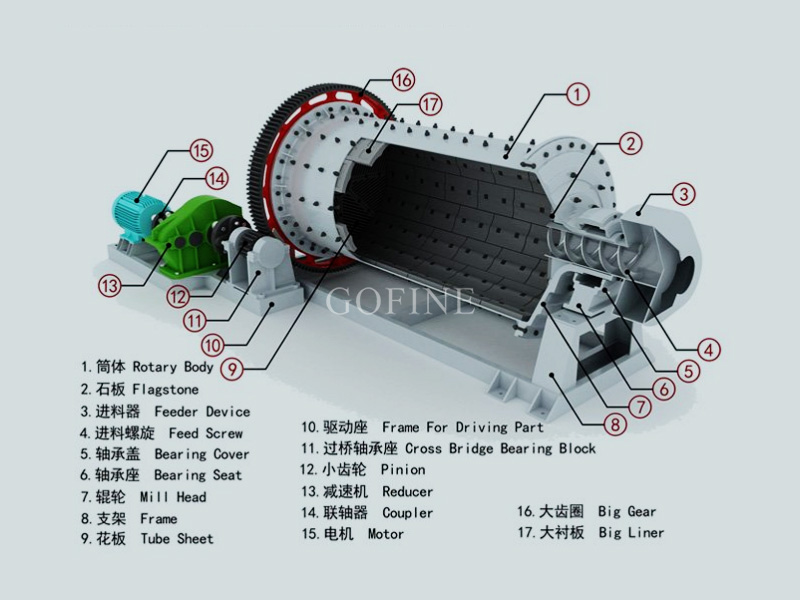
Ball Mill
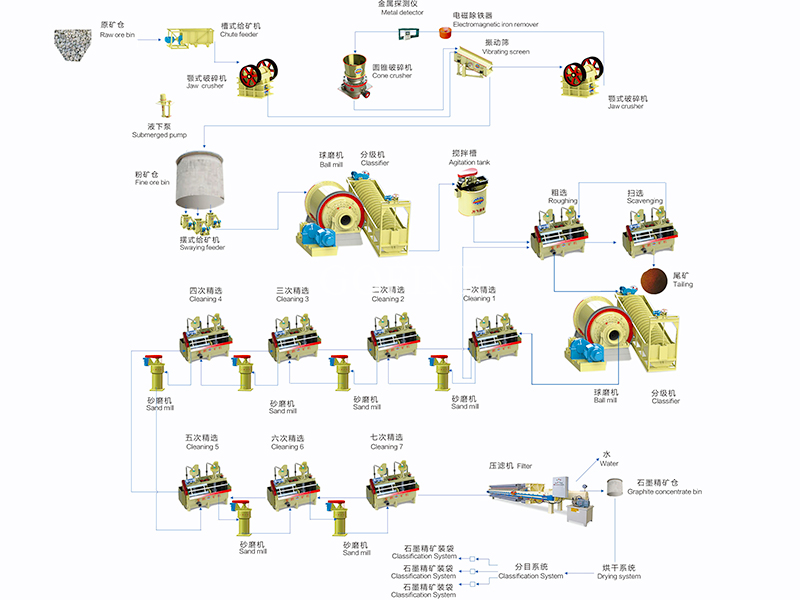
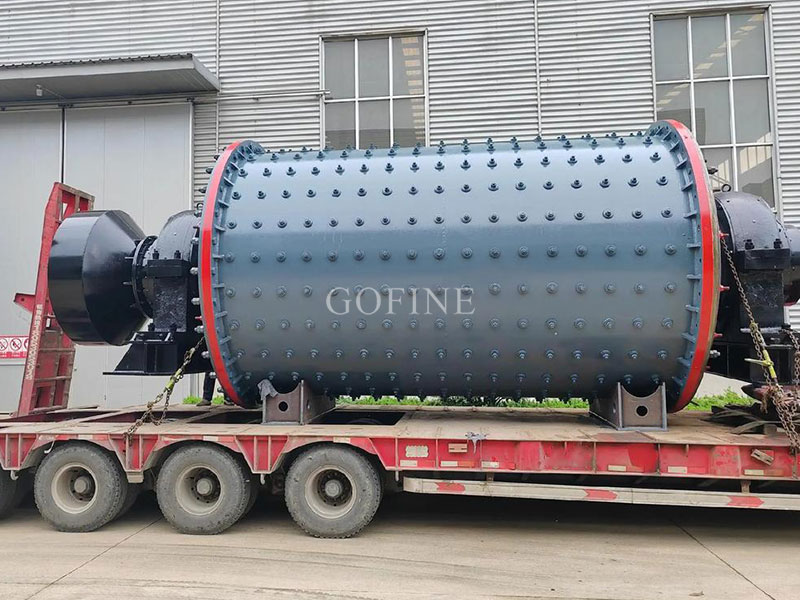
Ball mills are crucial equipment in mineral processing plants, used to grind crushed ore to the required free-floating particle size. They play a vital role in the entire mineral processing flow: upstream, they follow the crushing process, and downstream, they provide slurry of suitable particle size for separation processes such as flotation and magnetic separation. Grinding operations involve significant investment and energy consumption, and their effectiveness directly determines the quality of subsequent separation parameters.
Core Structure:
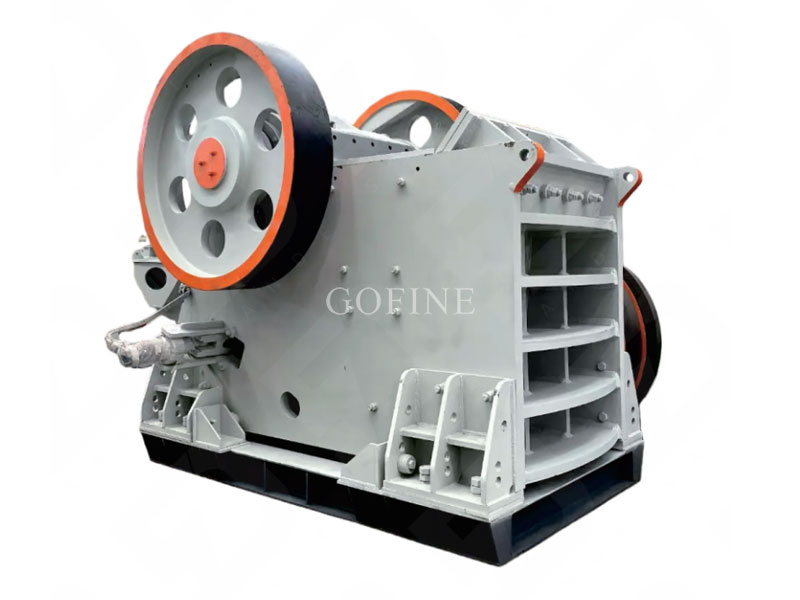
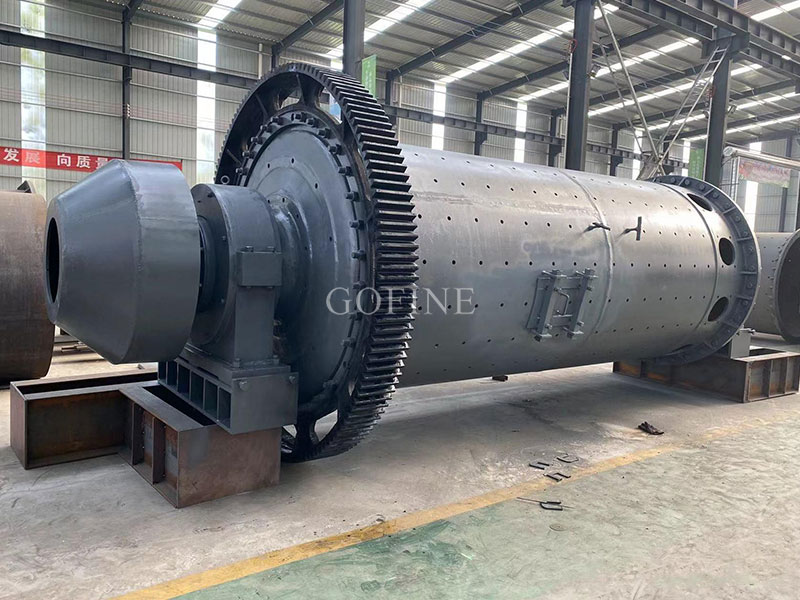
Primarily composed of a cylinder, feed/discharge end, main bearing, transmission system (large/small gears, motor), and lubrication system. The inner wall of the cylinder is lined with wear-resistant plates, and the interior contains grinding media (mainly steel balls).
Working Principle:
When the motor drives the cylinder to rotate, the steel balls and ore are carried to a certain height by the liners under the action of centrifugal force and friction, and then fall or cascade down. The ore is crushed under the impact and grinding action of the steel balls. Wet grinding is the mainstream choice in mines due to its higher efficiency, but the slurry can also cause severe corrosion and wear to the liners and steel balls.
Equipment Advantages:
High grinding efficiency and uniform particle size
Stable operation, suitable for long-term continuous operation
Mature structure, convenient maintenance, and compatible with automated production lines
Equipment Parameters
| Mode | Effective volume(m³) | Ball volume(t) | Feeding size(mm) | Capacity(t/h) | Main reducer | Motor(Kw) | Weight(t) |
| Ф1200×4500 | 4.70 | 6.5 | ≤25 | 1.4-2 | ZD 30 | 45 | 13.1 |
| Ф1500×5700 | 9.40 | 13 | ≤25 | 3.5-4.5 | ZD 40 | 130 | 24 |
| Ф1830×6400 | 15.70 | 22 | ≤25 | 5.5-6.5 | ZD 60 | 210 | 38 |
| Ф1830×700 | 17.10 | 23.5 | ≤25 | 6-7 | ZD 60 | 210 | 43 |
| Ф2200×6500 | 23.00 | 31.5 | ≤25 | 8-10 | ZD 70 | 380 | 50.2 |
| Ф2200×7500 | 26.50 | 36 | ≤25 | 10-11 | ZD 70 | 380 | 53.2 |
| Ф2200×8000 | 28.30 | 39 | ≤25 | 10-12 | ZD 70 | 380 | 55 |
| Ф2400×11000 | 46.30 | 64 | ≤25 | 19-21 | ZD 80 | 680 | 99.2 |
| Ф2400×13000 | 54.70 | 75.5 | ≤25 | 21-23 | MBY710 | 800 | 115.2 |
| Ф2600×13000 | 88.60 | 122 | ≤25 | 28-32 | MBY800 | 1000 | 148 |
| Ф3000×12000 | 78.90 | 109 | ≤25 | 32-35 | MBY900 | 1250 | 168.6 |
| Ф3000×13000 | 85.50 | 118 | ≤25 | 34-37 | MBY900 | 1400 | 172.3 |
| Ф3200×13000 | 134.20 | 185 | ≤25 | 45-50 | MBY1000 | 1600 | 218 |
| Ф3800×13000 | 137.10 | 189 | ≤25 | 60-62 | MFYX250 | 2500 | 286 |
| Ф4200×13000 | 167.50 | 231 | ≤25 | 85-87 | MFX355 | 3550 | 320 |
Performance Advantages
Performance Advantages

Intelligent
Automatic analysis of operating status and early warning of abnormal conditions allow you to be fully aware of how your equipment is running.

Fully automated
From crushing and feeding to concentrate output, the entire production line can be started and stopped sequentially with a single button.

Safety
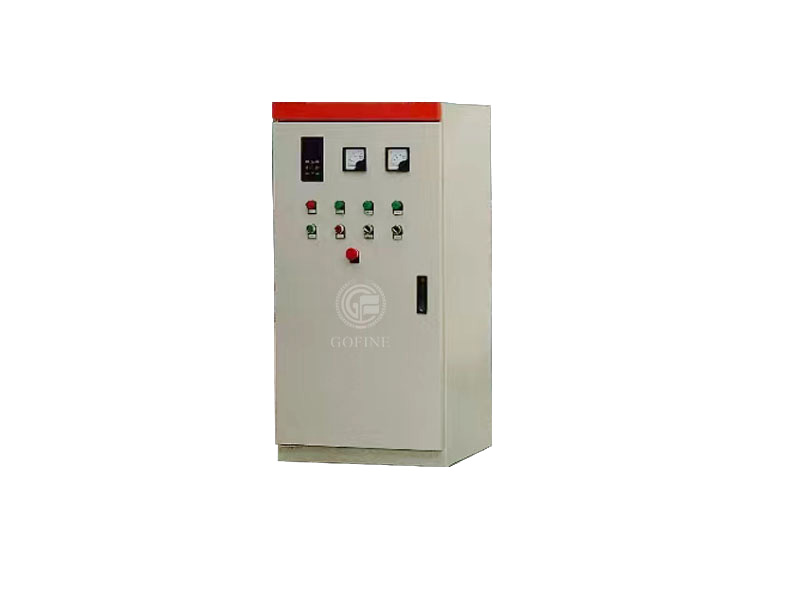
The equipment is equipped with multiple mechanical interlocks and electrical protection devices to ensure the safety of personnel and equipment.

Highly adaptable
The equipment can process various types of ore, from soft limestone to high-hardness iron ore, and is adaptable to both dry and wet processing methods.
Product Inquiry
Related Cases

Contact us
Address: Wulong Industrial Park, Xingyang City, Zhengzhou City, Henan Province
Contact:Richard
Phone:+86 151 3866 6240
Mail:richard@zzgofine.com
Online consultation
Copyright © 2027 All Rights Reserved.