
Jaw crusher
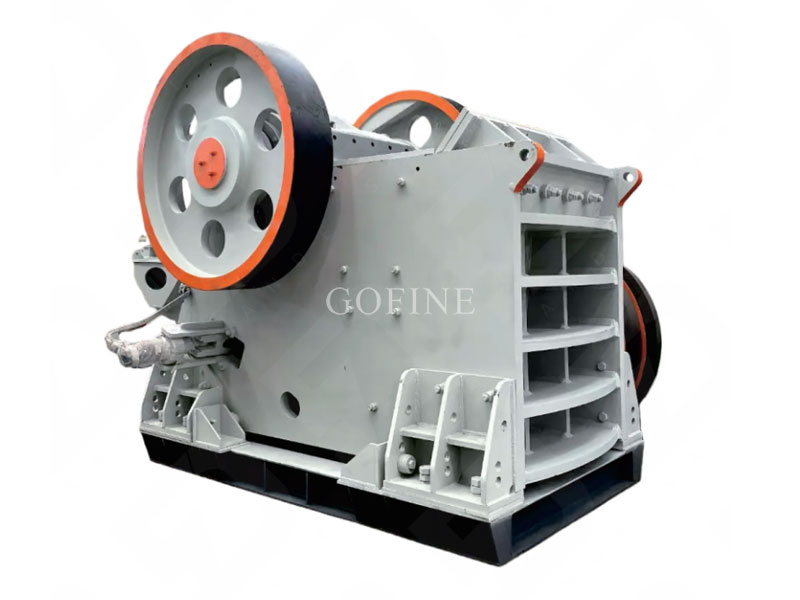
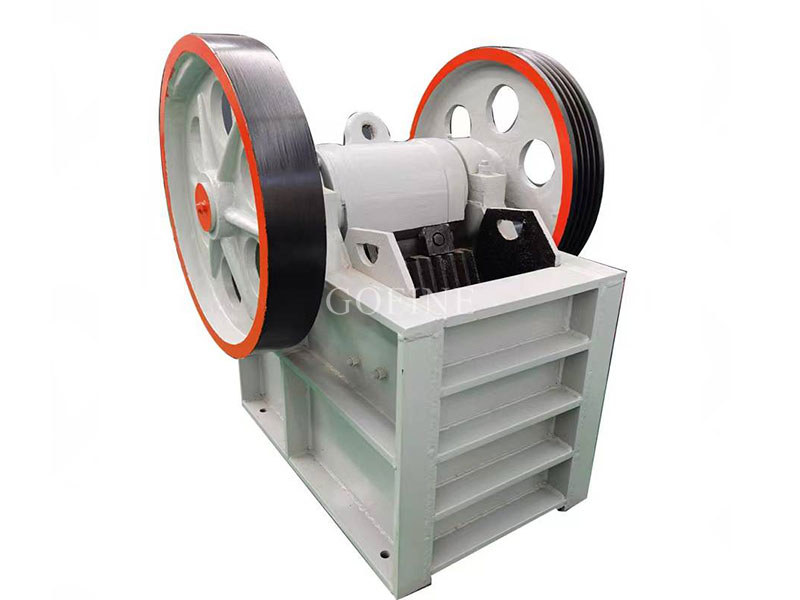
Jaw crushers are typically used as the first piece of equipment in a mineral processing line, responsible for the initial crushing of large pieces of ore. Simply put, a jaw crusher’s working components are two jaw plates: one fixed (stationary jaw) and the other movable (moving jaw). They form a V-shaped crushing chamber, wider at the top and narrower at the bottom. As the moving jaw repeatedly approaches and moves away from the fixed jaw, it compresses and splits the material within the chamber, thus crushing large pieces of ore into smaller pieces. It is mainly used for processing various ores and rocks with a compressive strength not exceeding 320 MPa.
Working Principle:
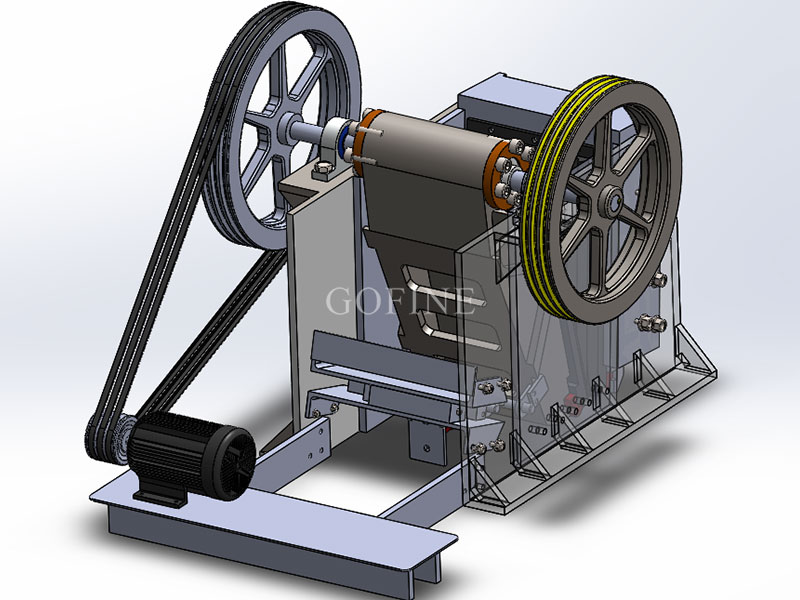
Power Source: An electric motor drives an eccentric shaft to rotate via a belt.
Compression Crushing: When the eccentric shaft drives the moving jaw upwards, the moving jaw plate moves closer to the fixed jaw plate, forcefully compressing and crushing the ore sandwiched between them.
Automatic Discharge: When the moving jaw moves downwards, it separates from the fixed jaw plate. The ore, now crushed to a size smaller than the discharge opening, is automatically discharged from the bottom under gravity. This process repeats continuously, achieving continuous crushing operations.
Equipment Advantages:
Its main advantages are simple structure, reliable operation, low operating cost, large crushing ratio, and uniform product particle size. Meanwhile, with technological advancements, modern jaw crushers are also developing towards larger sizes, hydraulic control, and environmentally friendly and energy-saving features.
Product Parameters:
| Model | Feed inlet(mm) | Max feed size(mm) | Discharge port Adjustment range(mm) | Processing capacity(m/h) | Motor(Kw) | Weight(t) |
| PE-150×250 | 150×250 | 125 | 10-40 | 1-3 | 5.5 | 1.1 |
| PE-250×400 | 250×400 | 210 | 20-60 | 5-20 | 15 | 3.2 |
| PE-400×600 | 400×600 | 340 | 40-100 | 16-60 | 30 | 7 |
| PE-400×900 | 400×900 | 340 | 40-100 | 40-110 | 55 | 11 |
| PE-500×750 | 500×750 | 425 | 50-100 | 40-110 | 55 | 12 |
| PE-600×900 | 600×900 | 500 | 65-160 | 50-180 | 75 | 17 |
| PE-750×1060 | 750×1060 | 630 | 80-140 | 110-320 | 110 | 31 |
| PE-900×1200 | 900×1200 | 680 | 95-165 | 220-450 | 160 | 52 |
| PE-1000×1200 | 1000×1200 | 750 | 195-265 | 315-500 | 160 | 55 |
| PE-1200×1500 | 1200×1500 | 780 | 150-350 | 400-800 | 220 | 93 |
| PE-1500×1800 | 1500×1800 | 780 | 220-350 | 500-100 | 280 | 122 |
| PEX-150×750 | 150×750 | 120 | 18-48 | 8-25 | 15 | 3.8 |
| PEX-250×750 | 250×750 | 210 | 25-60 | 15-60 | 30 | 6.5 |
| PEX-250×1000 | 250×1000 | 210 | 25-60 | 15-60 | 37 | 7 |
| PEX-250×1200 | 250×1200 | 210 | 25-60 | 15-60 | 45 | 9.7 |
| PEX-300×1300 | 300×1300 | 250 | 20-90 | 16-105 | 55 | 15.6 |
Performance Advantages
Performance Advantages

Intelligent
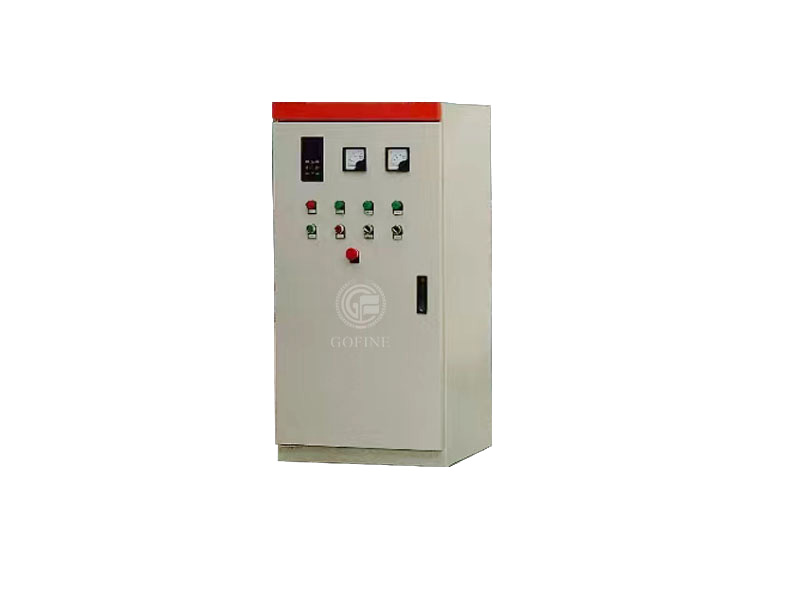
Automatic analysis of operating status and early warning of abnormal conditions allow you to be fully aware of how your equipment is running.

Fully automated
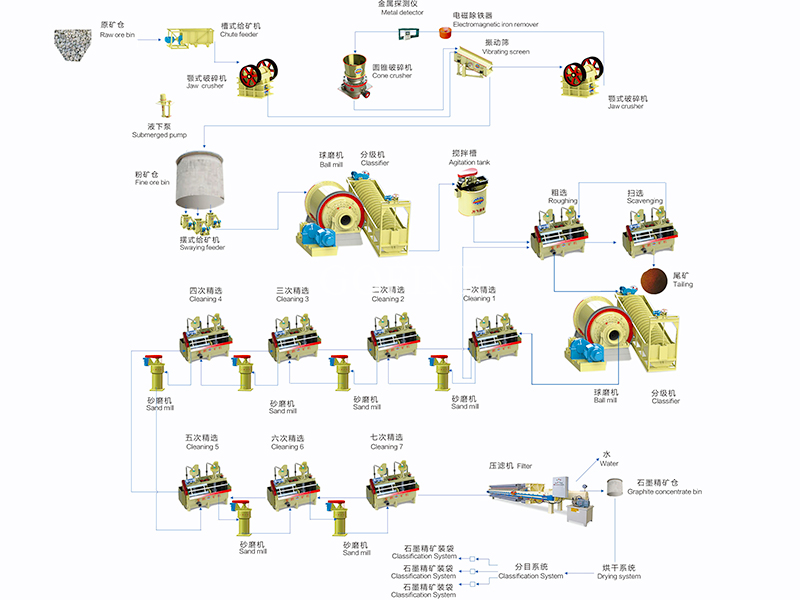
From crushing and feeding to concentrate output, the entire production line can be started and stopped sequentially with a single button.

Safety
The equipment is equipped with multiple mechanical interlocks and electrical protection devices to ensure the safety of personnel and equipment.

Highly adaptable
The equipment can process various types of ore, from soft limestone to high-hardness iron ore, and is adaptable to both dry and wet processing methods.
Product Inquiry
Related Cases

Contact us
Address: Wulong Industrial Park, Xingyang City, Zhengzhou City, Henan Province
Contact:Richard
Phone:+86 151 3866 6240
Mail:richard@zzgofine.com
Online consultation
Copyright © 2027 All Rights Reserved.