
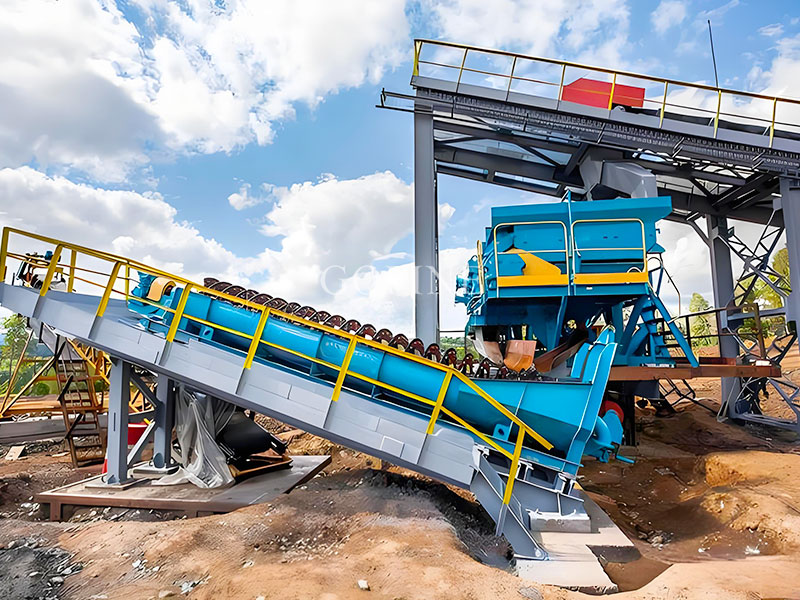
Lithium ore beneficiation production line
Lithium is a core element in new energy vehicles and energy storage industries, often referred to as “white oil.” Driven by global carbon neutrality goals, the demand for battery-grade lithium salts continues to surge, making the supply of high-quality lithium concentrate a key competitive advantage in the industry chain.
Our lithium ore beneficiation production line is specifically designed for the efficient development of lithium resources such as spodumene and lepidolite. It employs a combined gravity separation-flotation-magnetic separation process to achieve efficient separation of lithium minerals from gangue minerals such as quartz, feldspar, and mica. We provide customized solutions for different ore characteristics (raw ore grade, particle size distribution, associated minerals) to ensure high recovery rates, high concentrate quality, and low operating costs, helping you gain a competitive edge in the new energy wave.
Working Principle:
The core of lithium ore beneficiation lies in separating lithium minerals from gangue minerals based on differences in density, magnetism, and surface physicochemical properties. For different types of lithium ore, we employ differentiated process routes:
Spodumene Beneficiation (Heavy Media-Flotation Combined Process)
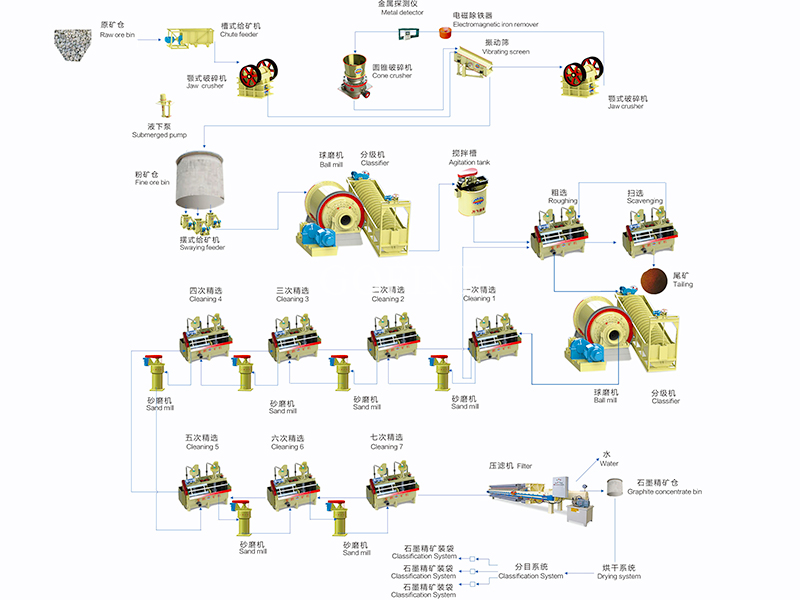
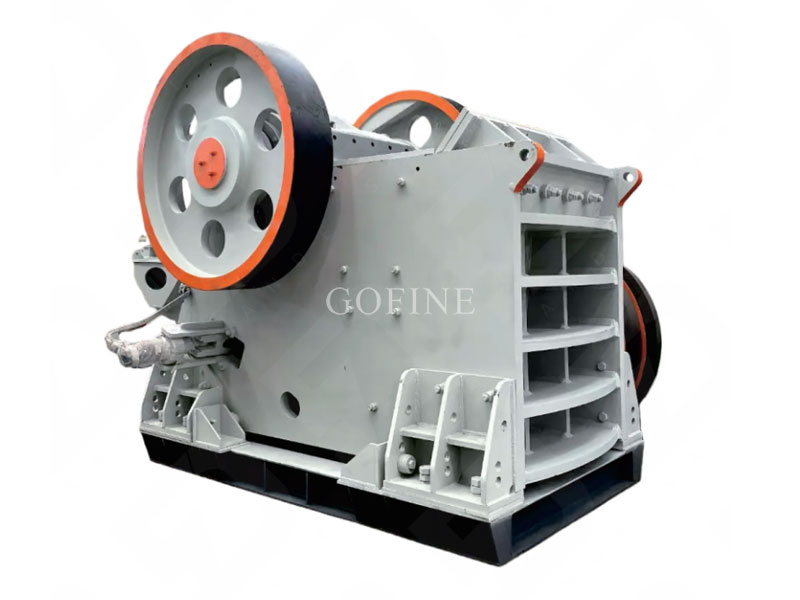
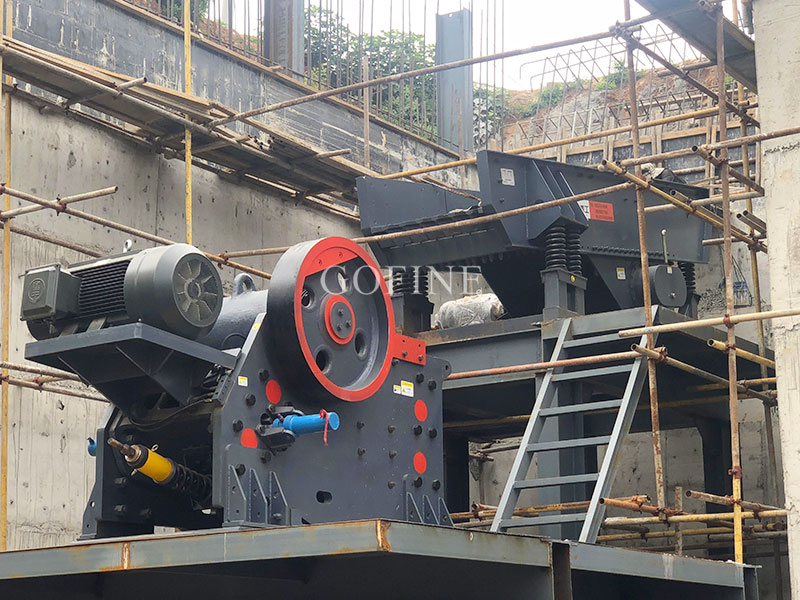
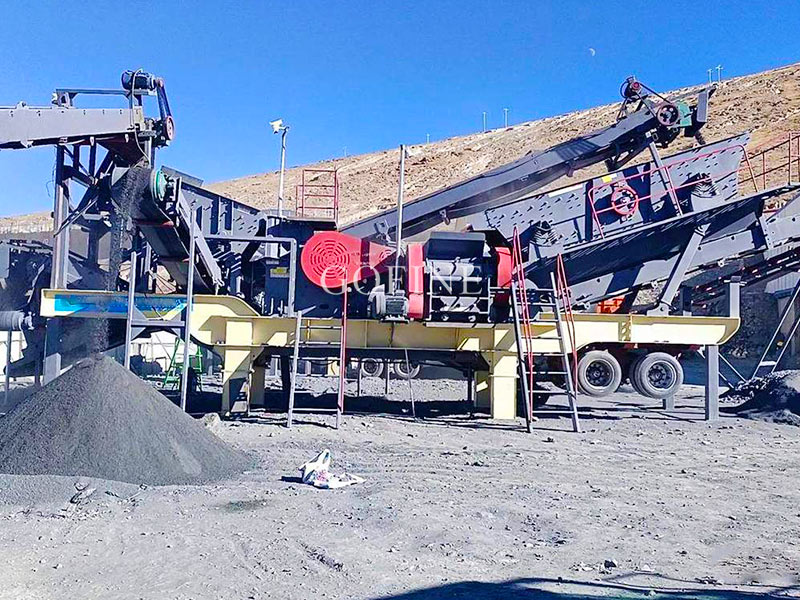
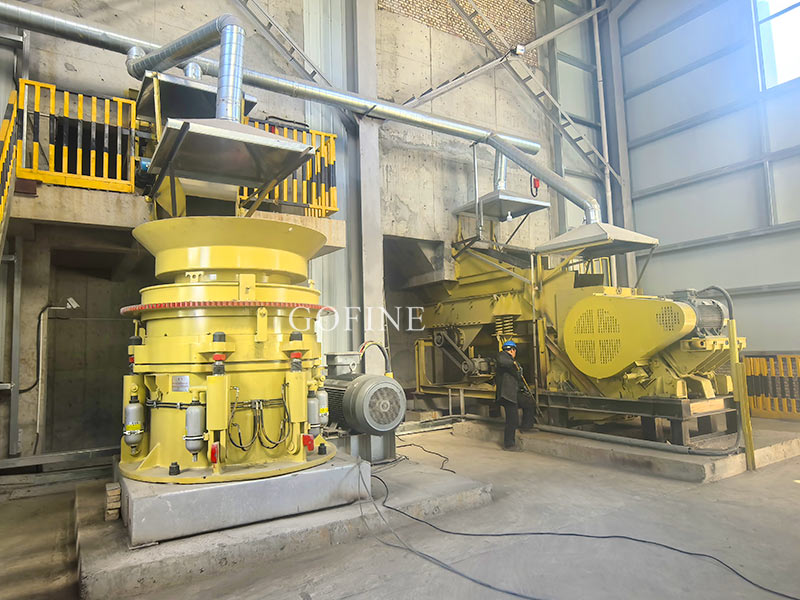
Crushing: The raw ore is crushed to below -10mm using a jaw crusher and cone crusher.
Grinding: A ball mill and classifier form a closed circuit, controlling the grinding fineness to 68%-70% of the particles at -200 mesh.
Heavy Media Pre-selection: Utilizing the density difference between spodumene (density approximately 3.2 g/cm³) and quartz/feldspar (density approximately 2.6 g/cm³), a heavy media hydrocyclone is used for pre-enrichment, removing a large amount of gangue and reducing production costs by over 40%.
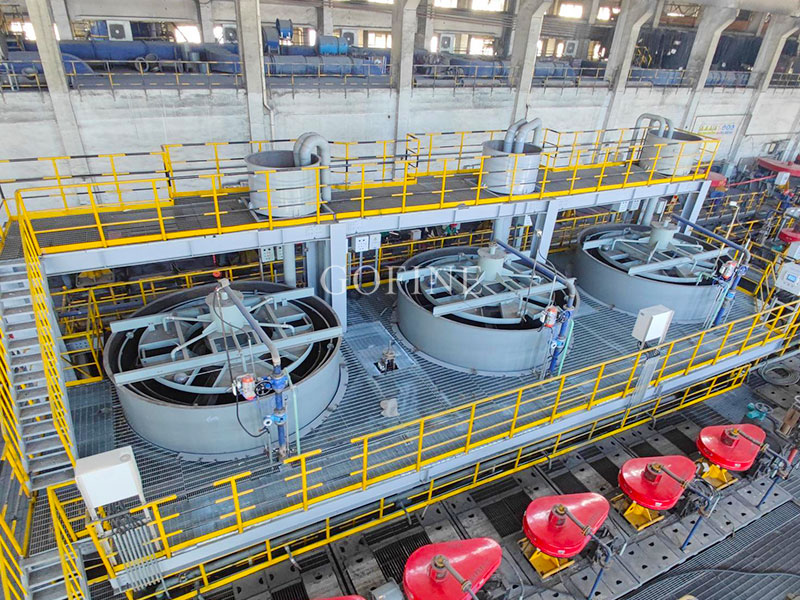
Flotation Purification: In an alkaline slurry (adjusted with NaOH), spodumene is floated using fatty acid collectors (oxidized paraffin soap, naphthenic acid soap). A three-stage process (roughing, scavenging, and cleaning) yields high-quality lithium concentrate.
Magnetic Separation for Iron Removal: The flotation concentrate is subjected to magnetic separation to remove iron-containing impurities and improve the concentrate grade.
Lithium mica beneficiation (flotation-magnetic separation combined process) Lithium mica often occurs in association with feldspar and quartz, and is also associated with valuable minerals such as tantalum and niobium. The process employs “crushing-grinding-gravity separation (for tantalum and niobium recovery)-flotation (for lethium mica beneficiation)-magnetic separation (for iron removal)” to achieve comprehensive recovery of lithium resources and associated resources.
Technological Advantages
✅ Heavy Media Pre-selection, Significantly Reducing Costs
For spodumene beneficiation, heavy media separation technology is introduced. Utilizing density differences, 30%-50% of gangue minerals are removed beforehand, significantly reducing subsequent grinding and flotation processing and lowering production costs by over 40%. This technology has been successfully applied in the Xinjiang Nonferrous Metals Group’s Dahongliutan project, achieving a breakthrough in domestic spodumene beneficiation methods.
✅ High-efficiency flotation, leading recovery rate
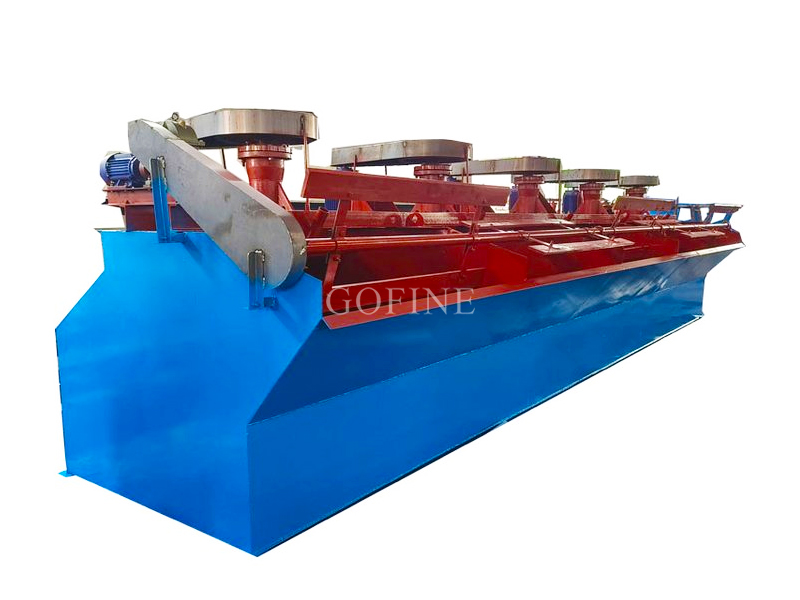
The flotation machine adopts a large-diameter impeller and low-speed design, reducing unit energy consumption by 15% and increasing air intake by 20%.
Equipped with an automatic liquid level adjustment system and PLC control module, it monitors parameters such as slurry concentration and bubble size in real time to ensure stable separation indicators.
The spodumene flotation recovery rate can reach 85%-90%, and the concentrate grade is stable at 5.5%-6.0% Li₂O.
✅ Magnetic separation purification, concentrate value enhancement
The electromagnetic slurry high-gradient magnetic separator has a background field strength of up to 1.5T-1.6T, and a single unit processing capacity of 170-280m³/h.
The Huatai HTDZ-3000 magnetic separator was selected as one of the “World’s Best Technological Achievements in Heavy Machinery,” achieving energy savings of over 56%.
Effectively removes weakly magnetic impurities such as iron, titanium, and mica, improving concentrate grade and meeting the requirements of battery-grade lithium salt raw materials.
✅ Comprehensive recovery, maximizing resource utilization
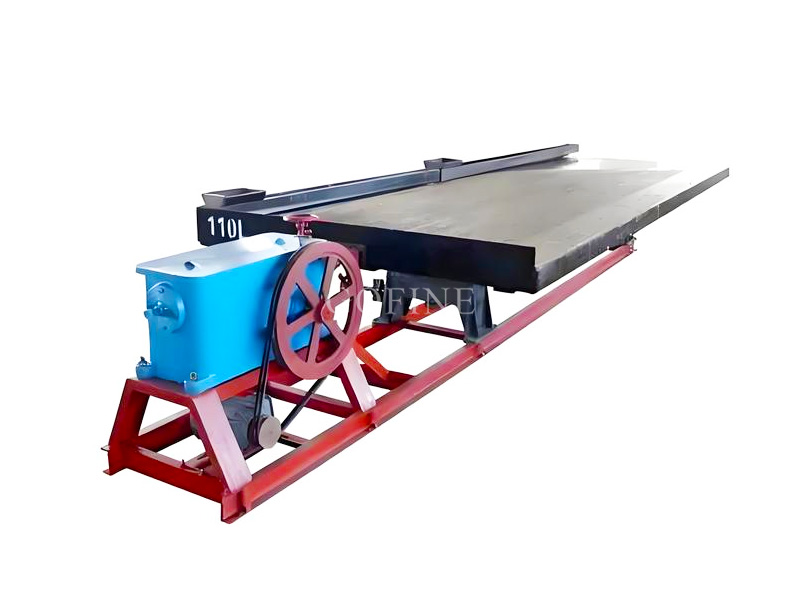
For lepidolite ore, a gravity separation system is used to recover associated tantalum, niobium, and tin concentrates.
Flotation tailings can be further recovered as feldspar concentrate for use in the ceramics and glass industries, achieving zero tailings discharge.
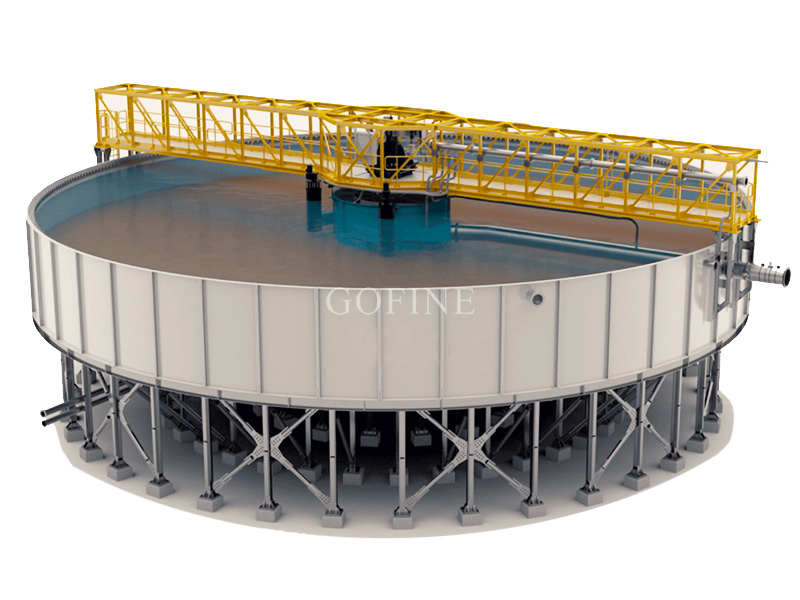
Wastewater is clarified by a thickener and then recycled, achieving a water reuse rate of over 90%, meeting international environmental standards.
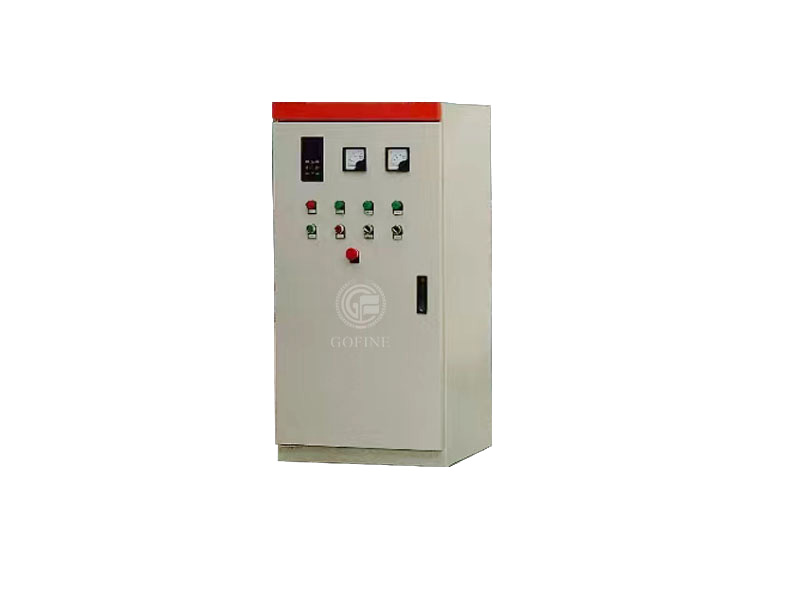
✅ Intelligent control, one-button start/stop
A DCS distributed control system allows real-time monitoring of over 30 parameters, including crushing current, mill load, flotation liquid level, and reagent dosage.
Automatic production reports are generated, and data such as output, power consumption, and recovery rate can be exported with one click.
Automatic early warning and protection for abnormal operating conditions ensure equipment uptime of over 92%.
✅ Wear-resistant and durable, easy maintenance
The tank and impeller are made of high-manganese steel alloy, improving wear resistance by 40% and extending the maintenance cycle to 6 months.
The ball mill is equipped with magnetic liners, with a lifespan 3-5 times longer than traditional manganese steel liners.
All lubrication points are centrally located, allowing for ground-level lubrication.
Performance Advantages
Performance Advantages

Intelligent
Automatic analysis of operating status and early warning of abnormal conditions allow you to be fully aware of how your equipment is running.

Fully automated
From crushing and feeding to concentrate output, the entire production line can be started and stopped sequentially with a single button.

Safety
The equipment is equipped with multiple mechanical interlocks and electrical protection devices to ensure the safety of personnel and equipment.

Highly adaptable
The equipment can process various types of ore, from soft limestone to high-hardness iron ore, and is adaptable to both dry and wet processing methods.
Product Inquiry
Related Cases

Contact us
Address: Wulong Industrial Park, Xingyang City, Zhengzhou City, Henan Province
Contact:Richard
Phone:+86 151 3866 6240
Mail:richard@zzgofine.com
Online consultation
Copyright © 2027 All Rights Reserved.