
Mine testing equipment
Modern mining equipment is evolving towards online operation, high precision, and intelligence. From traditional nuclear concentration meters to safer and smarter ultrasonic concentration meters and laser particle size analyzers, and even foam analyzers integrating AI vision, these devices provide a solid data foundation for stable production and intelligent control in mineral processing plants.
When selecting equipment, remember this simple rule: “For grinding, look for wear resistance; for flotation, look for bubble resistance; for concentration, look for anti-clogging.” You need to choose the appropriate instrument type and material based on the specific working conditions of each section (such as particle size, bubble quantity, concentration level, and corrosiveness). For example, in the coarse-grained, highly abrasive grinding section, prioritize the wear resistance of the sensor; while in the flotation section containing bubbles, choose an instrument with strong resistance to bubble interference.
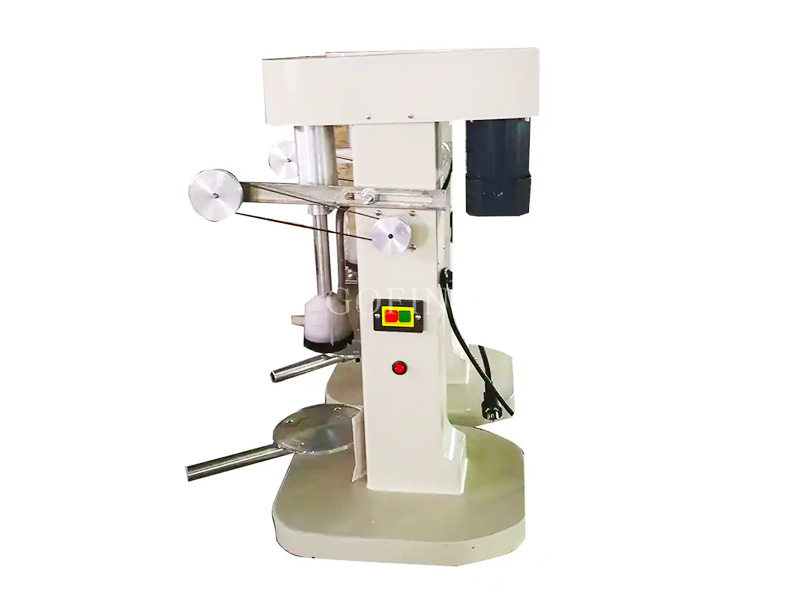
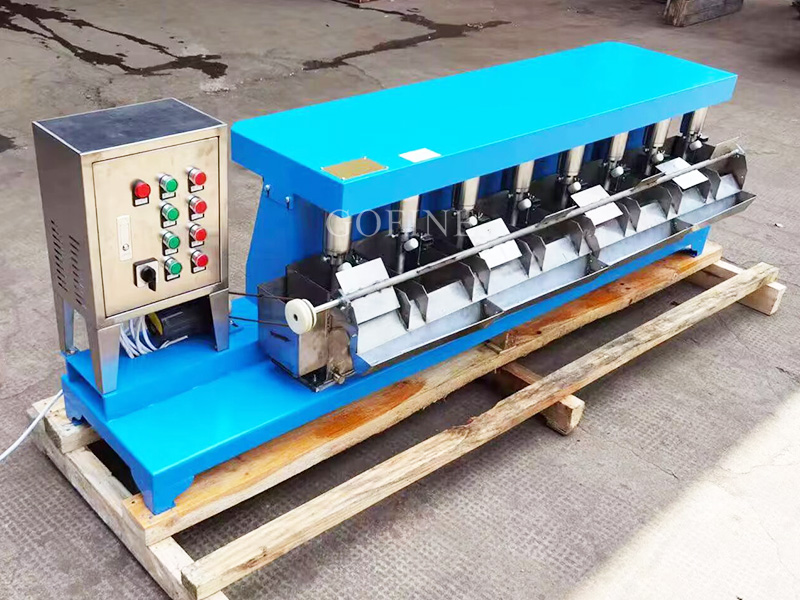
In the laboratory, we primarily use laboratory flotation machines for conducting small-scale mineral processing experiments to verify and optimize process parameters.
Single-cell flotation machine: This is the most common laboratory batch flotation machine. It has a small throughput (typically a few tenths of a liter to a few liters) and is used to explore separation parameters under different conditions. Its features include variable frequency technology, stepless impeller speed adjustment, external aeration, convenient operation, and stable performance.
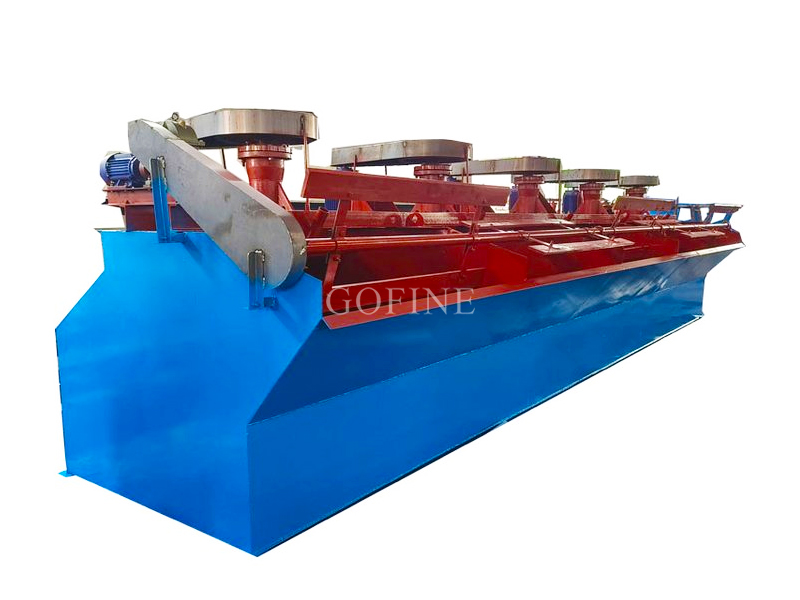
Continuous flotation machine: This is a continuous flotation machine that more closely resembles industrial practice. It consists of multiple flotation cells connected in series, simulating the entire process of continuous feeding, reagent addition, and concentrate and tailings production in an industrial setting. It can obtain representative industrial test results with a small sample size, providing a more reliable basis for industrial design.
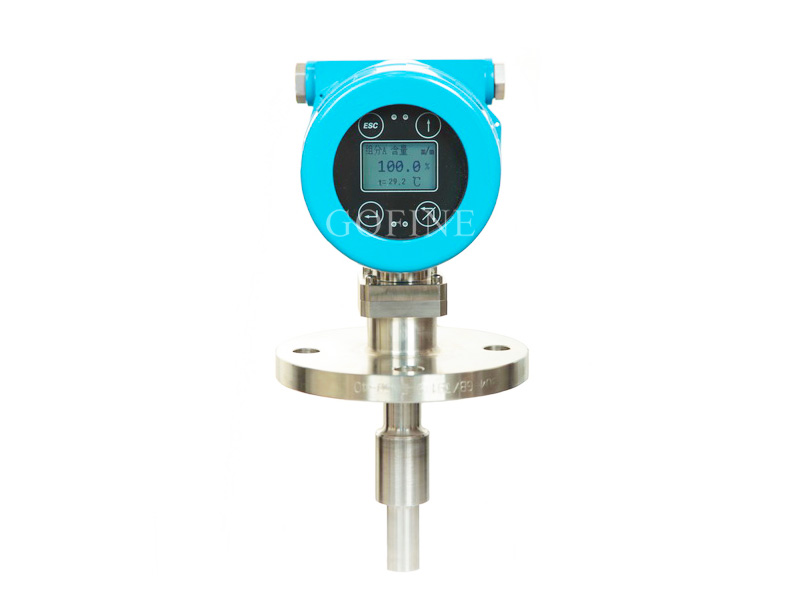
Ultrasonic Concentration Meter
Principle: Utilizes the correlation between the attenuation/velocity change of ultrasonic waves in mineral slurry and concentration, calculating concentration in real time via a sensor.
Features: Non-contact, non-clogging, wear-resistant, suitable for high solids/high viscosity slurries; accuracy ±1%~±3%, fast response (1~5 seconds).
Conductivity Concentration Meter
Principle: Based on the relationship between the ionic conductivity of mineral slurry and concentration, suitable for conductive mineral slurries (such as copper, gold, lead-zinc ores).
Features: High accuracy, low cost; however, highly affected by slurry composition, temperature, and pH, requiring frequent calibration.
Laboratory Concentration Meters
Specific Gravity Bottle Method (Classic): Weighs the slurry and water using a specific gravity bottle of known volume to calculate concentration; high accuracy but cumbersome and time-consuming operation.
Rapid Concentration Jar: Standardized volumetric jar for rapid on-site sampling and weighing, suitable for rapid process checks.
Laboratory Ultrasonic/Benchtop Concentration Meter: Miniaturized online device for accurate testing of laboratory mineral slurry samples.
Core Equipment for Mine Testing
Laser Particle Size Analyzer: Rapidly measures slurry particle size distribution (0.1μm~2mm) in the laboratory, guiding grinding and classification.
Online Particle Size Analyzer: Real-time monitoring of hydrocyclone overflow/grinding product particle size, stabilizing grinding efficiency.
Standard Sieve (Tyler Sieve): Laboratory dry/wet sieving for particle size distribution and online equipment calibration.
X-ray Fluorescence Spectrometer (XRF): Rapidly measures multi-element grades (ppm level) in ore/concentrate/tailings without complex pretreatment.
Atomic Absorption Spectrometer (AAS): High-precision measurement of low-concentration metal elements (e.g., gold, silver, copper).
ICP-MS: Ultra-trace element analysis, suitable for rare/dispersed metal detection.
pH Meter/ORP Meter: Online/laboratory measurement of slurry pH and redox potential, core parameters for flotation reagent systems.
Slurry Flow Meter (Electromagnetic/Ultrasonic): Real-time monitoring of slurry flow rate, used in conjunction with a concentration meter to calculate dry ore quantity.
Foam analyzer: measures flotation foam thickness, stability, and particle size, and optimizes aeration and foam scraping parameters.
Performance Advantages
Performance Advantages

Intelligent
Automatic analysis of operating status and early warning of abnormal conditions allow you to be fully aware of how your equipment is running.

Fully automated
From crushing and feeding to concentrate output, the entire production line can be started and stopped sequentially with a single button.

Safety
The equipment is equipped with multiple mechanical interlocks and electrical protection devices to ensure the safety of personnel and equipment.

Highly adaptable
The equipment can process various types of ore, from soft limestone to high-hardness iron ore, and is adaptable to both dry and wet processing methods.
Product Inquiry
Related Cases

Contact us
Address: Wulong Industrial Park, Xingyang City, Zhengzhou City, Henan Province
Contact:Richard
Phone:+86 151 3866 6240
Mail:richard@zzgofine.com
Online consultation
Copyright © 2027 All Rights Reserved.