
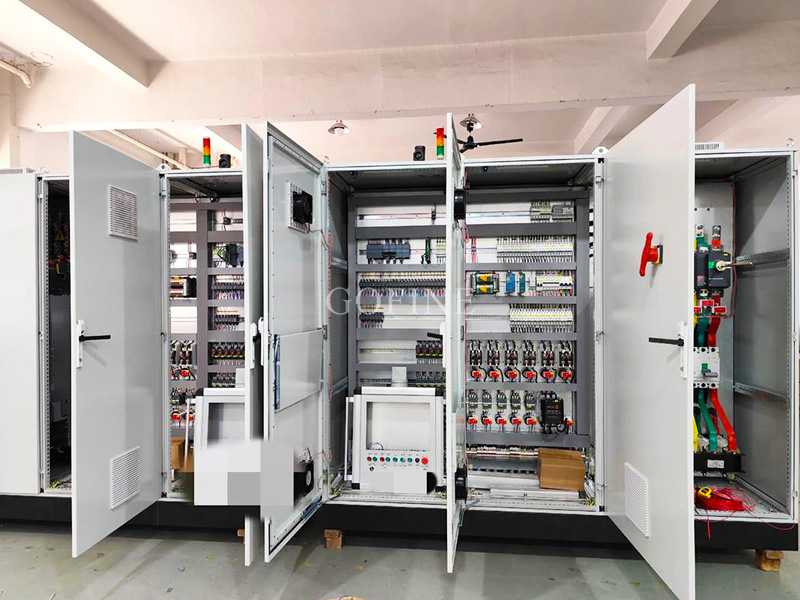
PLC/DCS/Control System
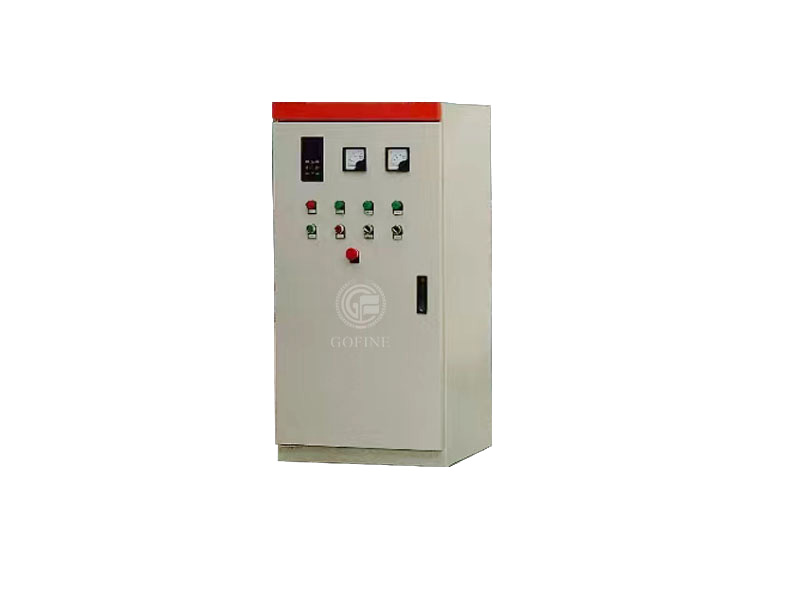
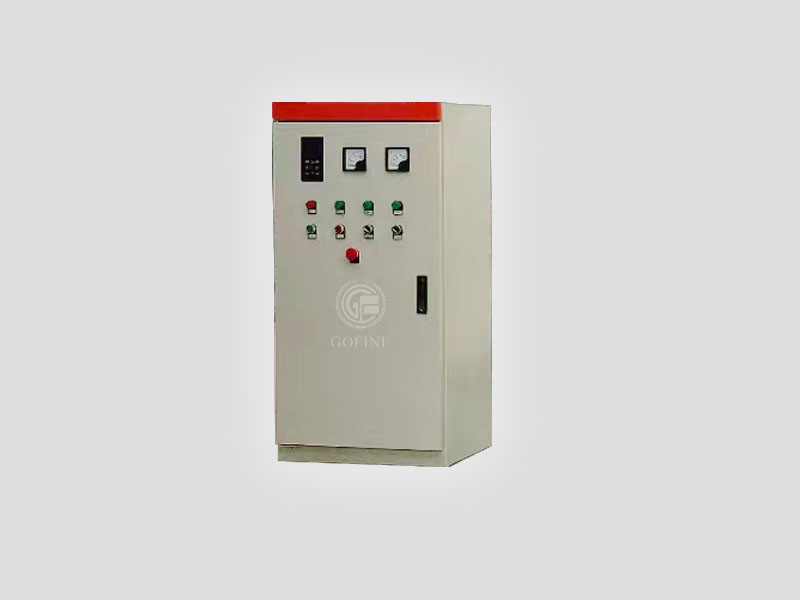
PLCs and DCSs are two mainstream industrial control systems commonly used in mineral processing plants. The core differences lie in the control granularity, architecture, and applicable scenarios: PLCs focus on discrete logic and equipment interlocking, and are suitable for small and medium-sized processing plants or independent sections; DCSs focus on continuous process closed-loop and global coordination, and are suitable for the full-process control of large/complex processing plants.
PLC (Programmable Logic Controller)
Positioning: A discrete control core primarily focused on logic control, sequential control, and interlocking protection; the mainstay of control at the mineral processing equipment/section level.
Typical Architecture:
Field Layer: Sensors (concentration, particle size, level, vibration, temperature), actuators (frequency converters, valves, pumps, reagent dispensers).
Control Layer: PLC master station + distributed I/O, dual CPU redundancy, high-speed counting, floating-point arithmetic, motion control.
Monitoring Layer: HMI/touchscreen + SCADA (such as Force Control, WinCC), enabling local/remote monitoring.
Network: Profinet, EtherNet/IP, Modbus TCP/RTU, Profibus-DP.
Typical Applications in Mineral Processing: Crushing and screening interlocking, belt conveyor sequential start/stop, ball mill load control, flotation machine level/reagent dosing interlocking, thickener underflow control.
DCS (Distributed Control System)
Positioning: A distributed centralized management system centered on continuous process closed-loop control, global coordination, and multivariate optimization.
Typical Architecture:
Field Layer: Smart instruments, control valves, online analyzers (grade, particle size, pH).
Control Layer: Multiple controllers (control stations) are deployed in a distributed manner, each controller responsible for several loops, preventing fault propagation.
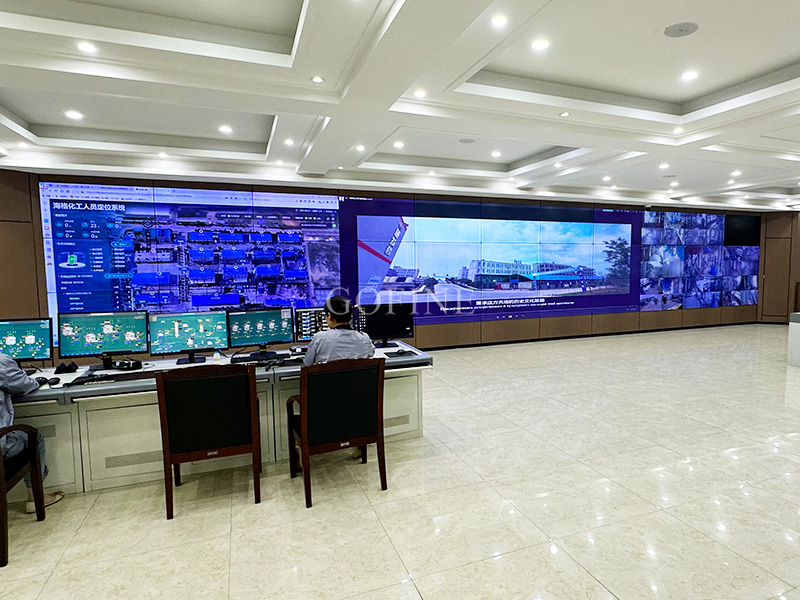
Monitoring Layer: Operator station + engineer station + server cluster, providing global process visualization, trends, alarms, and reports.
Network: Industrial Ethernet redundant ring network, real-time bus, supporting OPC, MES/ERP integration.
Typical Mineral Processing Applications: Closed-loop grinding and classification process, flotation grade-recovery optimization, thickening-filtration-tailings full-link coordination, and plant-wide energy and quality control.
Key Control Points for the Entire Mineral Processing Process (Typical Applications of PLC/DCS)
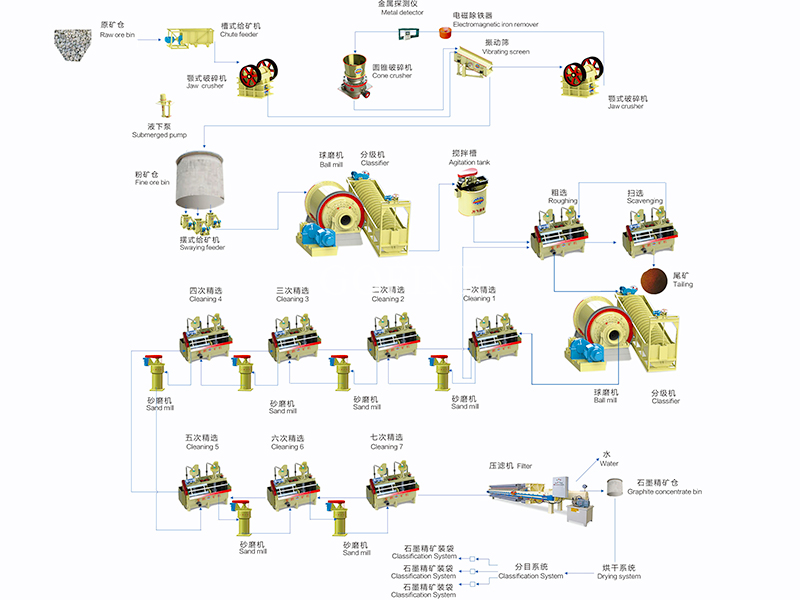
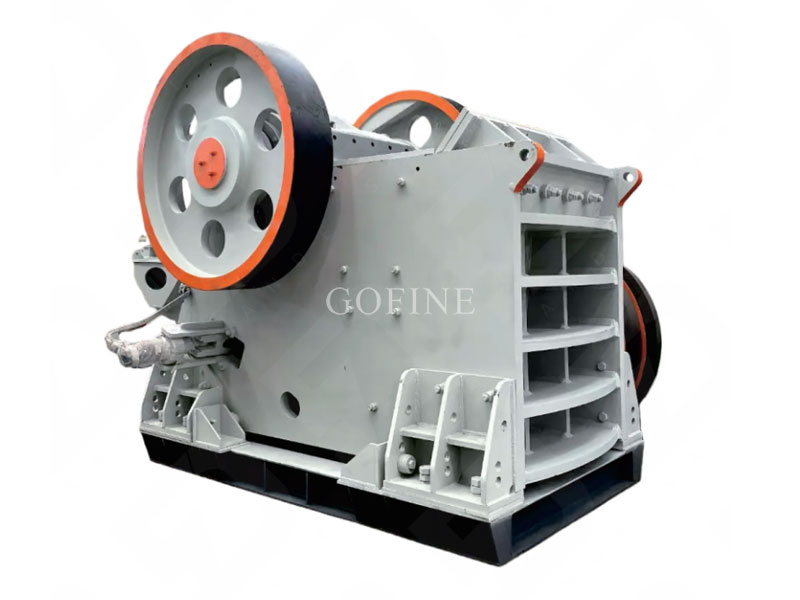
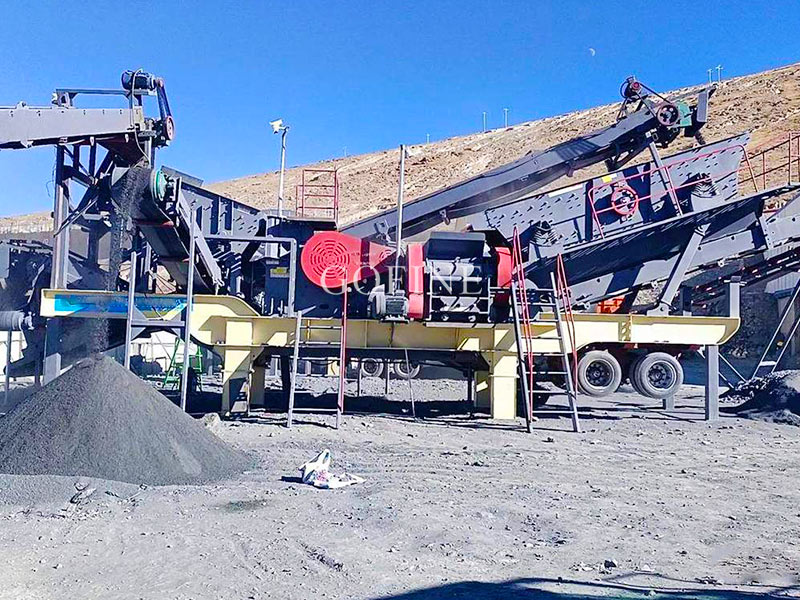
1. Crushing and Screening System (PLC-based)
Functions: Start-up and shutdown according to process sequence, overload protection, material level interlock, screening efficiency control.
Control Logic:
Reverse process start-up, forward process shutdown.
Crusher current/vibration/temperature over-limit interlock shutdown.
Automatic feed reduction at high material level in the hopper, automatic feed increase at low material level.
Vibrating screen amplitude/frequency monitoring and fault alarm.
2. Grinding and Classification System (PLC/DCS are both acceptable, DCS is commonly used in large-scale concentrators)
Core Objective: Stabilize grinding concentration and particle size, improve mill efficiency and classification efficiency.
Control Loop:
Feed rate closed loop: Adjust feeder speed based on mill power/current/new feed rate.
Concentration closed loop: Hydrocyclone overflow concentration → adjust mill water replenishment.
Particle size closed-loop: Online particle size analyzer → Adjust classifier/cyclone pressure/speed.
Steel ball addition: Automatic/semi-automatic addition based on throughput/ore hardness.
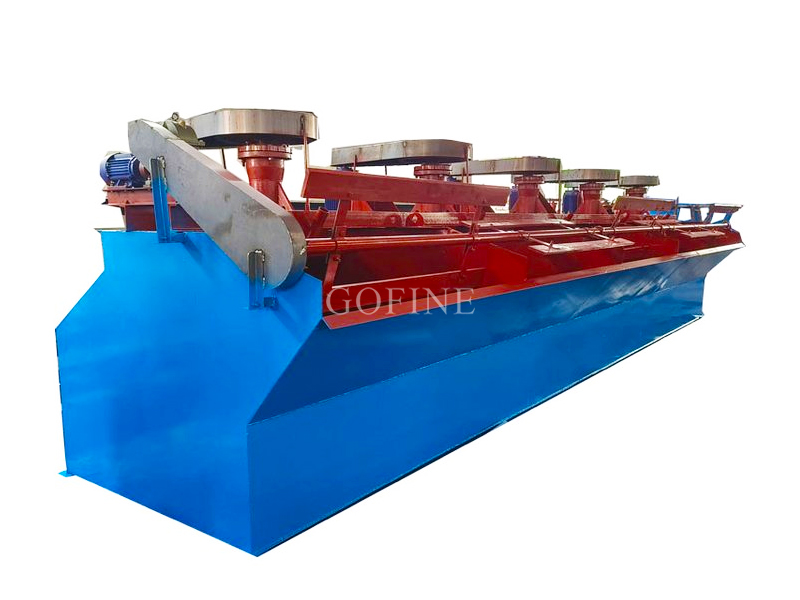
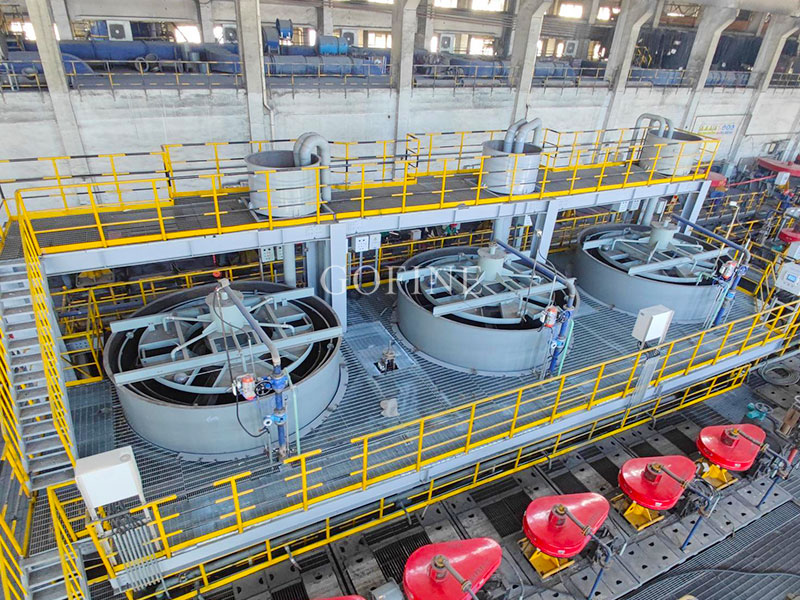
3. Flotation System (DCS has significant advantages, PLC can also be implemented)
Core objectives: Stabilize concentrate grade, improve recovery rate, reduce reagent consumption.
Control loop:
Level control: Flotation machine level → Adjust tailings discharge valve/pump speed.
Reagent addition: Based on raw ore grade/flow rate/aeration rate → Automatically adjust reagent pump frequency (multi-reagent linkage).
Aeration rate control: Based on pulp concentration/grade → Adjust aeration valve opening.
Grade feedback optimization: Online grade analyzer → Real-time correction of reagent/aeration/level setpoints.
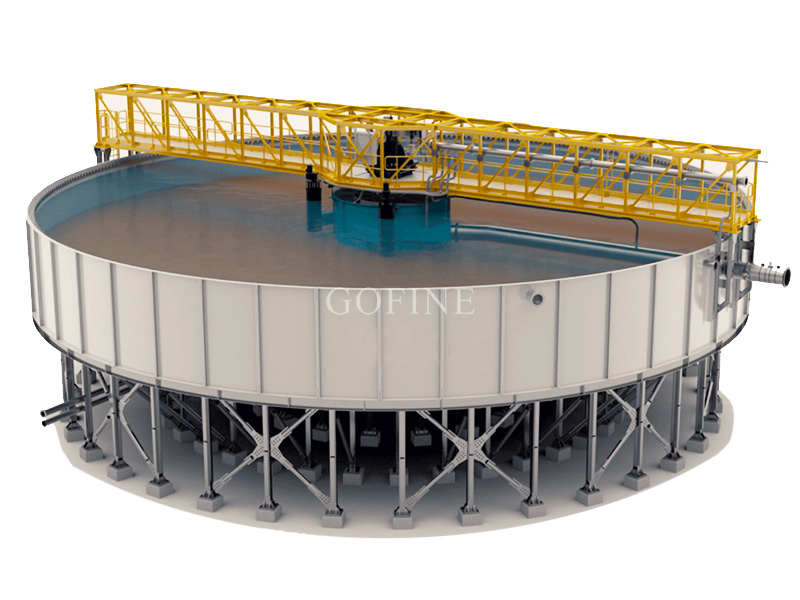
4. Thickening, Dewatering, and Tailings System (DCS/PLC both acceptable)
Thickener: Sludge layer thickness/torque → Automatic adjustment of underflow pump speed/valve opening.
Filter: Vacuum degree, feed concentration, filter cake thickness → Closed-loop control.
Tailings Conveying: Pump pool level → Variable frequency speed control, multi-pump interlocking and switching.
5. Plant-wide Centralized Monitoring and Intelligent Optimization
SCADA/Central Control Room: Full-process screen, trend curves, alarm lists, report generation.
Advanced Control System (APC): Fuzzy control, neural networks, Model Predictive Control (MPC) for multi-objective optimization of grinding/flotation.
Digital Twin: 3D visualization, virtual commissioning, remote operation and maintenance, fault diagnosis.
MES Integration: Production planning, quality traceability, equipment management, energy analysis.
Performance Advantages
Performance Advantages

Intelligent
Automatic analysis of operating status and early warning of abnormal conditions allow you to be fully aware of how your equipment is running.
Fully automated
From crushing and feeding to concentrate output, the entire production line can be started and stopped sequentially with a single button.

Safety
The equipment is equipped with multiple mechanical interlocks and electrical protection devices to ensure the safety of personnel and equipment.

Highly adaptable
The equipment can process various types of ore, from soft limestone to high-hardness iron ore, and is adaptable to both dry and wet processing methods.
Product Inquiry
Related Cases

Contact us
Address: Wulong Industrial Park, Xingyang City, Zhengzhou City, Henan Province
Contact:Richard
Phone:+86 151 3866 6240
Mail:richard@zzgofine.com
Online consultation
Copyright © 2027 All Rights Reserved.